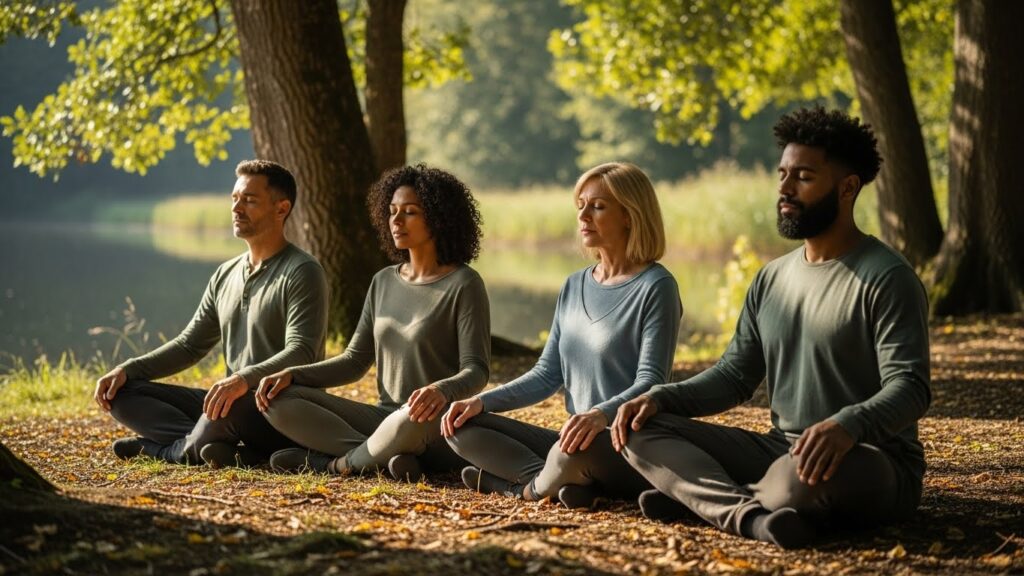
Feeling a bit heavy or stiff lately? It’s a common thing, especially when life gets busy. We often focus on one aspect of health and balance, like just getting stronger, but forget that strength, feeling light, and being able to move well all go hand-in-hand. This article is all about finding that sweet spot where your body feels good, strong, and ready for anything. We’ll look at how what you eat and how you move together can make a big difference in how you feel, from your core to your joints.
Key Takeaways
- Strengthening your core through balance poses helps with stability and can reduce the chance of falls.
- Moving your body in ways that encourage fluid circulation can make your limbs feel lighter and support tissue health.
- Improving the flexibility of your ankles and hips, along with spinal movements, boosts overall mobility and joint function.
- Eating a balanced diet and staying hydrated are important for healthy tissues, managing swelling, and reducing inflammation.
- Paying attention to your body’s signals and practicing balance regularly, even with props, helps build lasting strength and better movement.
Cultivating Strength Through Core Stability
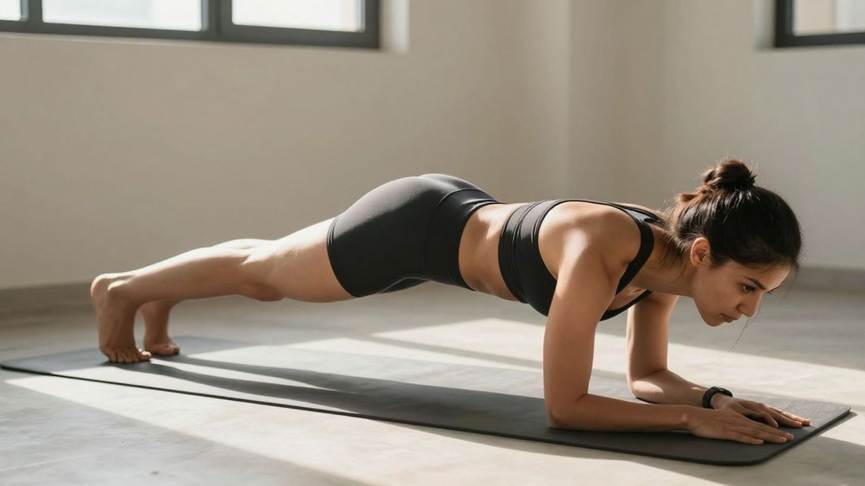
When we talk about building a strong body, it’s easy to get caught up in thinking about big muscles like biceps or quads. But honestly, the real powerhouse, the foundation for so much of what we do, is our core. It’s not just about having a flat stomach; it’s about stability, posture, and preventing injuries. Think of it as the central command center for all your movements.
Enhancing Core Strength with Balance Poses
This might sound a bit counterintuitive at first. How does standing on one leg help build strength? Well, when you’re trying to hold a balance pose, your body has to work overtime to keep you upright. Your deep core muscles, the ones that wrap around your midsection and lower back, have to constantly make tiny adjustments. This isn’t about brute force; it’s about fine-tuning control. Poses like Tree Pose (Vrikshasana) are great for this. You start by grounding yourself, then slowly lift one leg. As you find your balance, you’ll feel your core muscles engaging to keep you steady. It’s a subtle but powerful workout. Even simple poses challenge your body’s ability to stay upright, which is a direct workout for your core. Fitness experts recommend core exercises for a reason they are key to overall stability.
The Role of Core Engagement in Stability
So, what exactly does ‘core engagement’ mean in practice? It’s about actively drawing your belly button in towards your spine, creating a natural corset effect. This isn’t about sucking in your stomach; it’s about creating internal support. When your core is engaged, it stabilizes your pelvis and spine, which is vital for almost every physical activity, from lifting groceries to running. Without this stability, other parts of your body have to compensate, which can lead to strain and injury. It’s like trying to build a house on shaky ground it’s just not going to hold up well.
Building Resilience Through Core Work
Working your core isn’t just about physical strength; it builds mental resilience too. When you’re holding a challenging balance pose and you start to wobble, your instinct might be to give up. But instead, you learn to make micro-adjustments, to breathe through the instability, and to trust your body’s ability to correct itself. This process teaches you perseverance. You learn that wobbling isn’t failure; it’s part of the process. It’s about accepting the challenge and finding your center, both literally and figuratively. This practice helps you become more adaptable and less likely to be thrown off balance by life’s unexpected shifts.
Here’s a quick look at how different poses engage your core:
- Tree Pose: Focuses on steadying the pelvis and spine while one leg is lifted.
- Warrior 3 Pose: Requires significant core activation to keep the torso parallel to the ground and the lifted leg at hip height.
- Boat Pose: Directly targets the abdominal muscles to maintain an upright seated position.
The core is more than just a set of muscles; it’s the anchor that allows for controlled and efficient movement throughout the entire body. Strengthening it provides a stable base for all other physical actions.
Achieving Lightness and Fluidity in Movement
Ever feel like your limbs are carrying extra weight, making even simple movements a chore? That heavy, sluggish feeling can really drag you down. It’s often a sign that fluids aren’t moving as freely as they should be through your body’s natural drainage system, the lymphatic system. When this system gets a bit bogged down, you can end up with swelling and a general sense of heaviness, especially in your arms and legs. This isn’t just about appearance; it can make moving around feel harder and less comfortable.
Mobilizing Fluid for a Lighter Sensation
Think of your lymphatic system like a slow-moving river. When it’s flowing well, everything feels light and easy. But if it gets congested, things start to back up. Certain techniques, like specific types of lymphatic drainage, can help get that fluid moving again. These aren’t your typical gentle spa massages; they often involve firm, continuous strokes that encourage the fluid to travel towards the lymph nodes where it can be processed and removed. The goal is to help your body clear out stagnant fluid, making your limbs feel noticeably lighter and more comfortable. It’s about helping your body do what it’s designed to do, just with a little extra help when it needs it.
Reducing Swelling and Heaviness in Limbs
Swelling and that heavy feeling often go hand-in-hand. It happens when fluid builds up in the tissues, creating pressure and making your limbs feel larger and more cumbersome. Targeted movements and therapies can help to gently coax this excess fluid away from the congested areas and back into circulation. This can lead to a visible reduction in swelling and a significant decrease in that uncomfortable heaviness. Imagine being able to move your arms and legs without that constant drag it makes a huge difference in daily life.
Supporting Detoxification and Tissue Health
Beyond just reducing swelling, helping fluids move better also supports your body’s natural detoxification processes. The lymphatic system plays a big role in clearing out waste products and toxins from your tissues. When it’s functioning optimally, your tissues are healthier, and your body can work more efficiently. This improved circulation and fluid clearance can also help reduce tenderness and discomfort in affected areas, contributing to overall better tissue health and a greater sense of ease in your body.
Enhancing Mobility and Joint Function
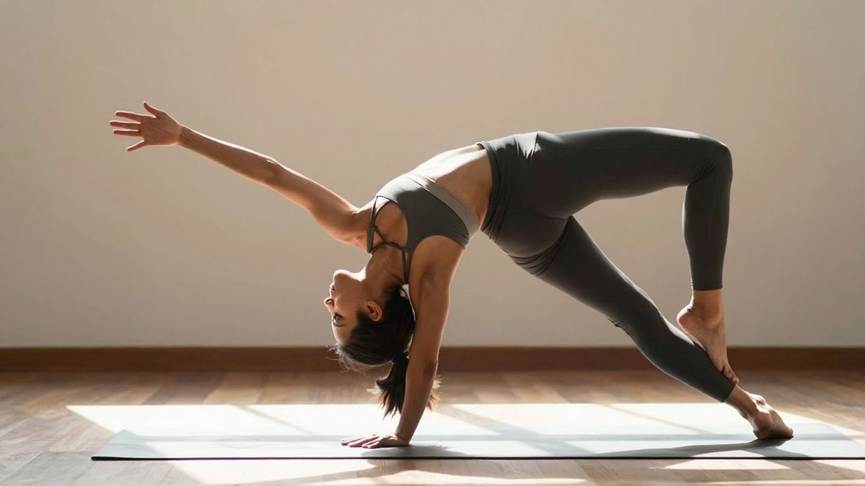
Think about how much you move your body every single day. From getting out of bed to walking around, your joints are working hard. Keeping them happy and moving well is super important for everything else we do, like building strength or just feeling lighter on our feet. When joints get stiff, it can really throw off your balance and make simple tasks feel harder. Let’s look at a few ways to get things moving better.
Also read: Powered Protein Sources For Muscle Growth
Improving Ankle Mobility for Better Balance
Your ankles are like the foundation for your whole body’s balance. If they’re not moving right, it can cause problems all the way up. Good ankle movement helps you stand steady and can even make exercises like squats feel way easier. It’s not just about flexibility; it’s about having control over how your ankle moves.
Here’s a simple move to try:
- Stand tall, maybe near a wall or chair if you need a little support.
- Slowly lift up onto your tiptoes, holding for a second.
- Then, gently lower your heels back down.
- Repeat this about 10 times. You can also try rocking back on your heels, lifting your toes, for a different kind of stretch.
Warming Up Hip Joints for Stability
The hip is a major player in stability and balance. It’s a ball-and-socket joint, meaning it can move in a lot of directions. Giving your hips a good warm-up before you do anything active is a smart move. It helps get the muscles around them ready to work and can prevent that tight, achy feeling.
Try this hip circle:
- Stand with your feet about shoulder-width apart.
- Place your hands on your hips.
- Gently move your hips in a big circle, going as far as feels comfortable. Try to make the circle smooth.
- Do about 5-10 circles in one direction, then switch and go the other way.
Dynamic Movements for Spinal Health
Your spine is your body’s central support. Keeping it mobile means you can twist, bend, and move without feeling restricted. Stiff necks and backs are pretty common these days, especially with how much time we spend looking at screens. Gentle, dynamic movements can help keep things from getting too tight and painful.
Consider these spinal twists:
- Sit or stand comfortably.
- Gently twist your upper body to one side, keeping your hips facing forward as much as possible.
- Hold for a breath or two, then slowly come back to the center.
- Repeat on the other side. Do this a few times, focusing on smooth, controlled movements.
Keeping your joints mobile isn’t just about being able to do fancy stretches. It’s about making everyday movements feel easier and reducing the chances of aches and pains down the road. Think of it as regular maintenance for your body’s hinges and pivots.
The Interplay of Nutrition and Body Balance
It’s easy to think about strength and movement as purely physical things, but what we eat plays a massive role in how our bodies feel and function. Think of your body like a complex machine; it needs the right fuel to run smoothly. When we talk about body balance, we’re not just talking about standing on one leg. We’re also talking about how our internal systems are working together, and that’s where nutrition comes in.
Balanced Nutrition for Tissue Health
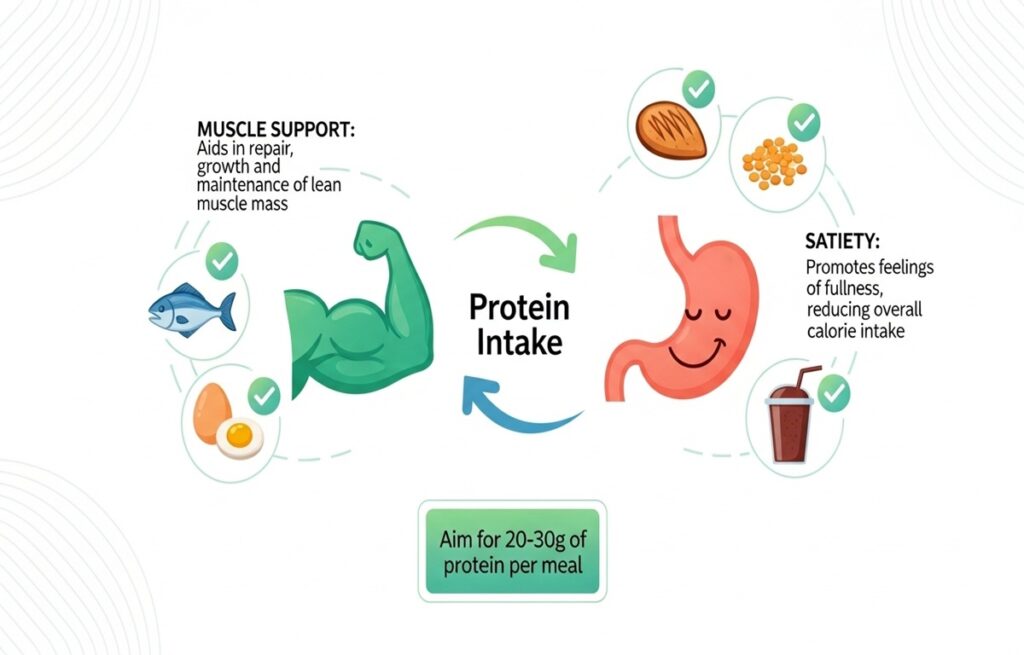
Our bodies are constantly rebuilding and repairing themselves. Tissues, muscles, bones they all need specific building blocks to stay strong and healthy. Getting a good mix of proteins, healthy fats, and complex carbohydrates provides the raw materials for this repair work. Without them, things can start to break down, leading to less resilience and slower recovery. It’s like trying to build a house with flimsy materials; it just won’t hold up.
Hydration’s Role in Fluid Balance
Water is seriously underrated. It’s involved in almost every bodily process, from digestion to temperature regulation. When it comes to movement and that feeling of lightness, proper hydration is key. Dehydration can make you feel sluggish, heavy, and even contribute to muscle cramps. Think about it: if your body’s fluids are out of whack, your joints might not move as smoothly, and your muscles won’t perform at their best. Staying well-hydrated helps keep everything flowing.
Nutrient-Rich Foods for Reduced Inflammation
Inflammation is a natural response, but when it sticks around, it can cause problems. It can make joints stiff, muscles ache, and generally make you feel heavy and uncomfortable. Certain foods can actually help calm this inflammation down. We’re talking about things like colorful fruits and vegetables, fatty fish, and nuts. These foods are packed with compounds that help your body fight off excess inflammation, leading to a lighter, more comfortable feeling in your body.
Eating well isn’t about strict rules or deprivation. It’s about giving your body the good stuff it needs to feel its best. When your internal environment is balanced and well-nourished, your physical capabilities naturally improve. It’s a partnership between what you eat and how you move.
Mindful Practices for Body Awareness
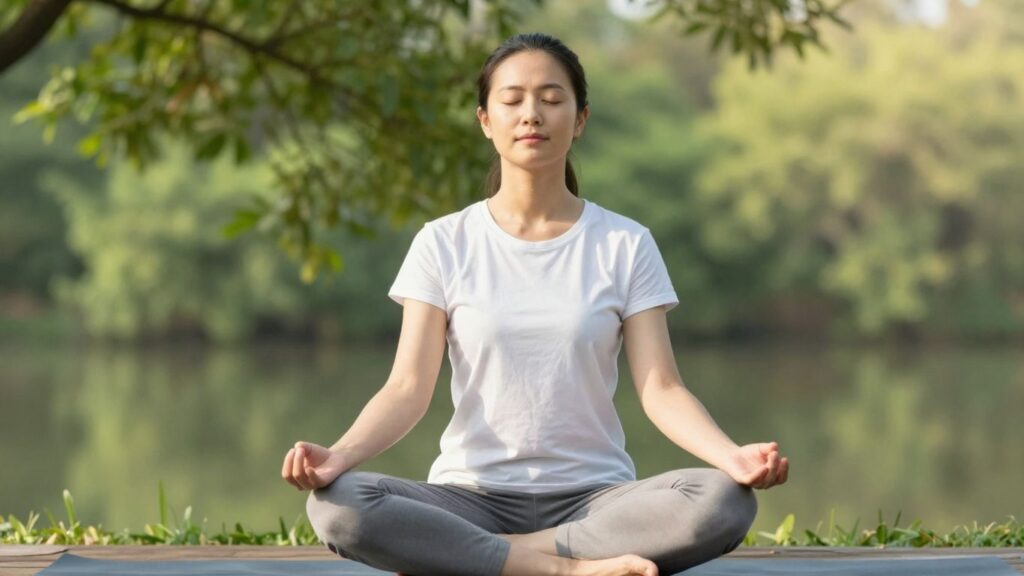
Tuning into your body with intention can totally shift how you move, balance, and feel through daily life. It’s not just about hitting a yoga pose or standing on one foot it’s about learning to really notice what’s going on as you wobble, shift, and steady yourself. That daily attention makes a difference.
Proprioception and Bodily Awareness
Proprioception is a fancy word, but what it means is simple: your sense of where your body is in space. If you’ve ever closed your eyes and touched your nose, you’ve used proprioception. But here’s the thing this skill isn’t just automatic; you can actually improve it. Try:
- Balancing on one foot with your eyes open, then closed.
- Moving slowly through yoga poses, feeling how your weight moves from toe to heel.
- Taking a few minutes each day to walk mindfully, noticing how your foot meets the ground.
Pretty quickly, you’ll start to notice little shifts. Maybe your foot wobbles less. Maybe you catch yourself before tripping on the curb. The idea is just to notice, not judge.
Improving Mental Focus Through Balance
Focusing your mind when your body feels shaky sounds counterintuitive, but it works. When you challenge your balance, little distractions drop away. Suddenly, your brain is zeroed in on not falling, not whatever’s for dinner.
Here are three ways I’ve noticed it helps:
- You pay more attention to right now, not what happened earlier.
- Worries step back as your brain works to keep you steady.
- Balance practice becomes a quick mental reset, especially on a stressful day.
Sometimes, holding Tree Pose while the dog barks or a text buzzes is just what my brain needs to refresh.
Embracing Wobbles for Enhanced Stability
Let’s be real nobody stands perfectly still on their first try. That little shake? It’s actually good for you. Every wobble teaches your muscles how to react. Over time, your core and legs figure out what works to keep you upright.
Benefits of embracing the wobble:
- Your body becomes less likely to fall in unpredictable situations.
- You recover faster when you lose your balance.
- It becomes less embarrassing to wobble in front of people (trust me, everyone does).
When you see those tiny adjustments as wins instead of mess-ups, each practice session feels a little more lively and a lot less stressful.
Integrating Balance into Daily Life
Consistent Practice for Lasting Gains
Making balance a regular part of your week is key. You don’t need to set aside hours each day. Even a few minutes here and there can add up. Think about standing on one leg while you wait for the kettle to boil, or doing a few calf raises on an uneven surface when you’re out and about. Little bits of practice build up over time. It’s about weaving these small challenges into what you’re already doing.
Utilizing Props for Accessible Balance
Don’t feel like you need to go it alone or have perfect conditions to practice. Props can be your best friend when working on balance. Yoga blocks, for instance, can bring the floor closer to you in poses like Half Moon, making it more manageable. A wall can offer support if you’re feeling wobbly. Using these aids isn’t a sign of weakness; it’s a smart way to build confidence and stability safely. It allows you to focus on the feeling of balance without the constant fear of falling.
Incorporating Balance Challenges into Routines
Look for opportunities to challenge your stability in everyday activities. When you’re walking, try taking a few steps with your eyes closed. While sitting, practice lifting one foot slightly off the ground. Even simple things like carrying groceries in one hand can make your core work harder to keep you upright. These aren’t just exercises; they’re ways to train your body to be more aware and responsive in unpredictable situations. It’s about making your body more resilient, one small challenge at a time.
Putting It All Together
So, we’ve talked about a bunch of ways to feel better in your body, from moving more freely to getting stronger. It’s not about some magic fix, you know? It’s more about finding what works for you, whether that’s stretching out those tight spots, building up your core with some balance work, or even trying something like lymphatic drainage to help things move better. Little changes add up. The main thing is to keep trying, listen to your body, and remember that feeling good and moving well is a journey, not a race. You’ve got this.
Frequently Asked Questions
What does it mean to have ‘body balance’?
Body balance means your body feels strong, light, and can move easily. It’s like having a well-tuned machine where everything works together smoothly, helping you feel good and do the things you need and want to do without feeling heavy or stiff.
How can I get stronger without lifting heavy weights?
You can build strength by focusing on your core muscles, which are like your body’s support system. Doing exercises that challenge your balance, like standing on one foot or doing yoga poses, forces your core to work harder to keep you steady. This builds strength in a different, but very effective, way.
What’s the best way to feel lighter and move more freely?
To feel lighter, focus on moving your body’s fluids well. This can involve gentle movements that help lymph and blood flow better, reducing puffiness or a heavy feeling in your arms and legs. Staying hydrated and eating foods that help reduce swelling also plays a big role.
Why is joint mobility important for overall balance?
Your joints, like your ankles and hips, need to move well for you to balance properly. If your joints are stiff, it’s harder for your body to adjust and stay upright. Exercises that improve how well your joints move help you keep your balance better and reduce the risk of falls.
How does what I eat affect my body’s balance and energy?
Eating a balanced diet gives your body the building blocks it needs to stay healthy and strong. Foods that help fight swelling and provide good nutrients help your tissues work better and can make you feel less heavy and more energetic. Drinking enough water is also super important for keeping everything flowing.
What if I’m not very flexible or good at balancing right now? That’s perfectly okay! The key is to start slow and practice consistently. Using things like yoga blocks for support can help. Don’t be afraid to wobble that’s actually how your body learns to get better at balancing. Just keep practicing, and you’ll gradually see improvements.