Thinking about meditation but not sure where to start? It’s not as complicated as it sounds. This guide is all about how to meditate mindfulness, making it simple to find a bit of calm in your day. We’ll break down the basics, talk about why it’s good for you, and give you easy steps to get going. No need for fancy gear or a quiet mountain top just a willingness to try.
Key Takeaways
- Meditation is a practice of focusing your attention, often on your breath, to become more aware and calm.
- Learning how to meditate mindfulness can help lower stress, improve focus, and make you feel more balanced.
- Starting is simple: find a quiet spot, set a timer for a few minutes, and pay attention to your breath.
- When your mind wanders (and it will!), just gently bring your attention back to your breath without judgment.
- Consistency is more important than duration; even a few minutes each day can make a difference over time.
Understanding How to Meditate Mindfulness
So, you’re curious about meditation, huh? Maybe you’ve heard it’s the secret sauce for a calmer life, or perhaps you’re just tired of your brain feeling like a browser with too many tabs open. That’s totally normal. At its heart, meditation, especially mindfulness meditation, is about learning to pay attention. It’s not about emptying your mind – that’s a common myth. Instead, it’s about noticing where your attention goes and gently guiding it back when it drifts off. Think of it like training a puppy; it wanders, and you kindly bring it back, over and over. This simple act, repeated consistently, can make a surprising difference.
What is Meditation?
Meditation, in general, is a practice where you use a technique to train your attention and awareness. It’s a way to get to know your own mind better. There are tons of different kinds, but the one we’re focusing on, mindfulness meditation, is all about being present.
It’s about observing your thoughts, feelings, and sensations without getting swept away by them. The goal isn’t to stop thinking, but to change your relationship with your thoughts. It’s like watching clouds drift by in the sky rather than trying to grab onto each one.
Why Learn to Meditate?
Why bother, right? Well, the benefits are pretty compelling. For starters, it’s a fantastic way to dial down stress. When you’re constantly reacting to everything, your body is in fight-or-flight mode. Meditation helps switch that off. It can also sharpen your focus ever feel like you can’t concentrate on anything for more than a minute?
This practice can help. Beyond that, it can lead to better emotional balance, a deeper sense of self-awareness, and even improve how well you sleep. It’s like giving your brain a much-needed break and a tune-up at the same time.
Read also: Meditation for beginners: How to start today
The Core Principles of Mindfulness Meditation
Mindfulness meditation is built on a few key ideas:
- Present Moment Focus: The main idea is to anchor yourself in what’s happening right now. This could be your breath, bodily sensations, or sounds around you.
- Non-Judgmental Observation: When thoughts or feelings pop up (and they will!), you just notice them without labeling them as ‘good’ or ‘bad’. You’re an observer, not a judge.
- Kindness and Patience: This is a practice, not a performance. Be patient with yourself. Your mind will wander. The practice is in the gentle returning, not in never wandering at all.
It’s easy to think meditation is about achieving some perfect state of bliss. But really, it’s about showing up for whatever is happening in your experience, moment by moment, with a bit more awareness and a lot less self-criticism. That’s where the real peace starts to show up.
Embarking on Your Meditation Journey
So, you’re ready to start meditating. That’s awesome! It might seem a little daunting at first, like learning any new skill, but it’s really about taking small, manageable steps. Think of it less like a chore and more like setting up a cozy corner for yourself, a little space where you can just be.
Finding Your Calm Space
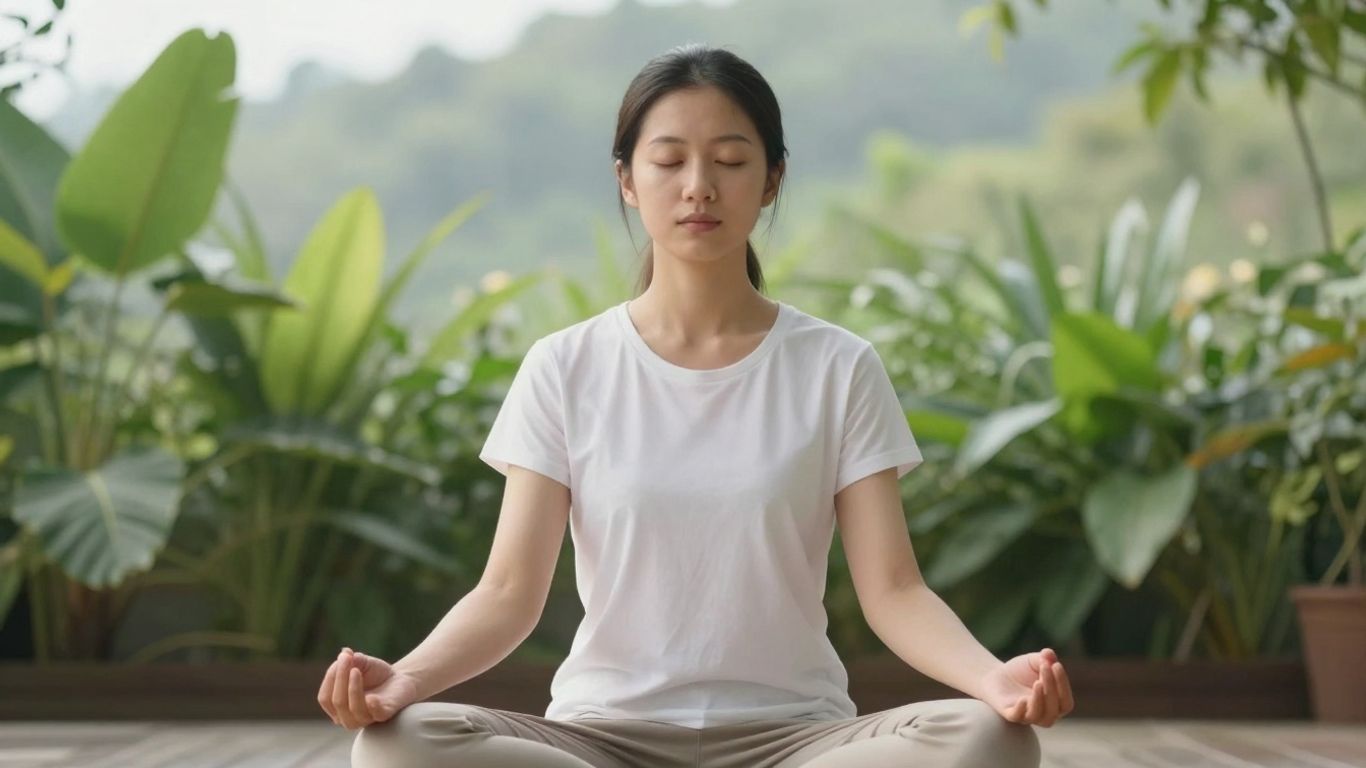
First things first, you need a spot. It doesn’t have to be a fancy meditation cushion or a silent temple. Honestly, a quiet corner in your living room, a comfortable chair by a window, or even a spot in your bedroom can work just fine. The main thing is that it’s somewhere you can sit or lie down without too many distractions. Try to pick a place that feels peaceful to you. Maybe it’s where you can see a bit of nature, or just a spot that’s usually free from a lot of foot traffic. If your pet decides to join you, that’s okay too. Just let them be part of your practice.
Setting a Suitable Time Limit
When you’re just starting out, don’t feel like you need to sit for an hour. That’s a recipe for feeling overwhelmed. For beginners, aiming for just 5 to 10 minutes is a great starting point. If even that feels like too much, seriously, one minute is perfectly fine. The goal is to build a habit, not to push yourself to exhaustion. You can gradually increase the time as you get more comfortable. It’s all about finding what works for you.
Here’s a simple way to think about time:
- Day 1-3: 3-5 minutes
- Day 4-7: 5-7 minutes
- Week 2 onwards: 7-10 minutes (or more if you feel like it!)
Comfortable Postures for Meditation
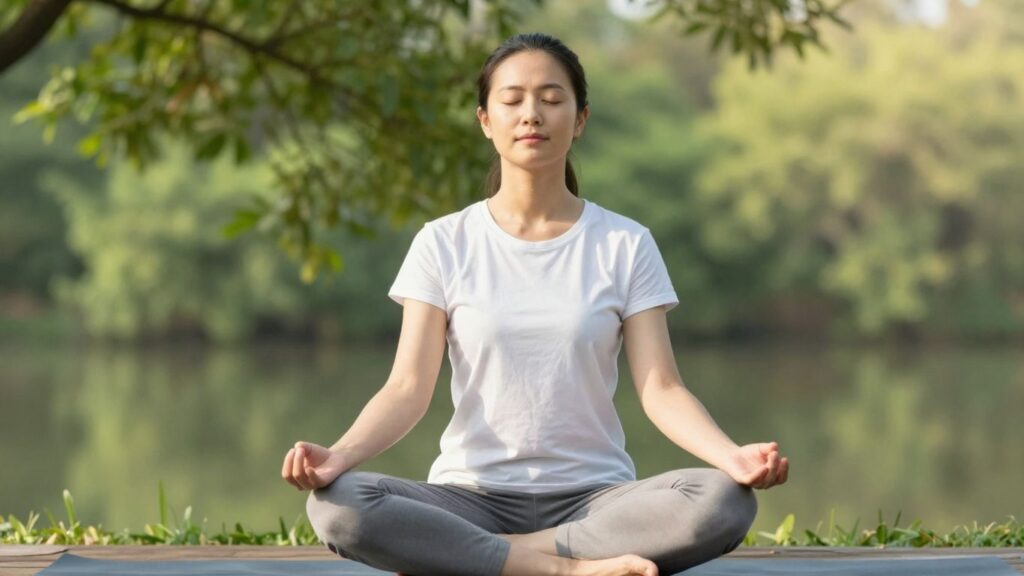
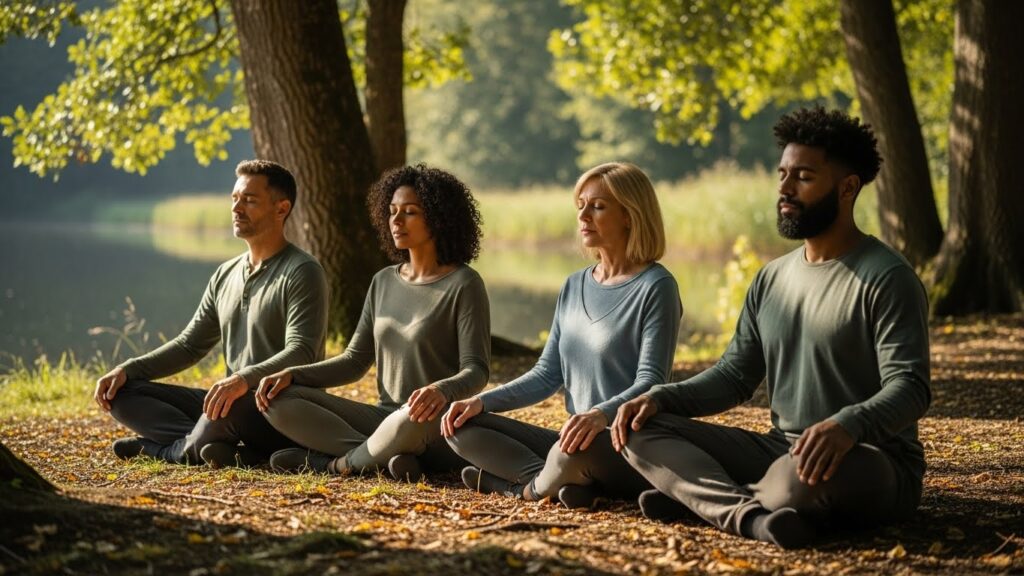
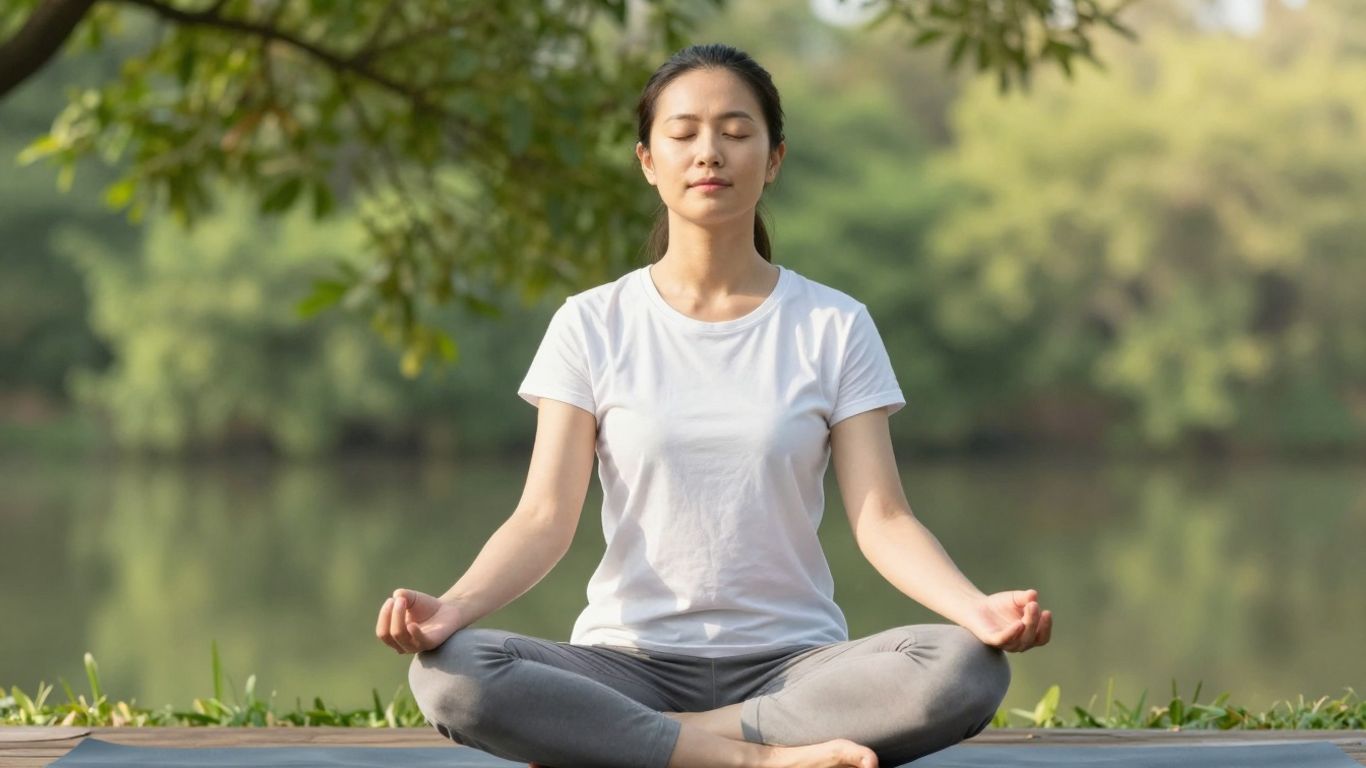
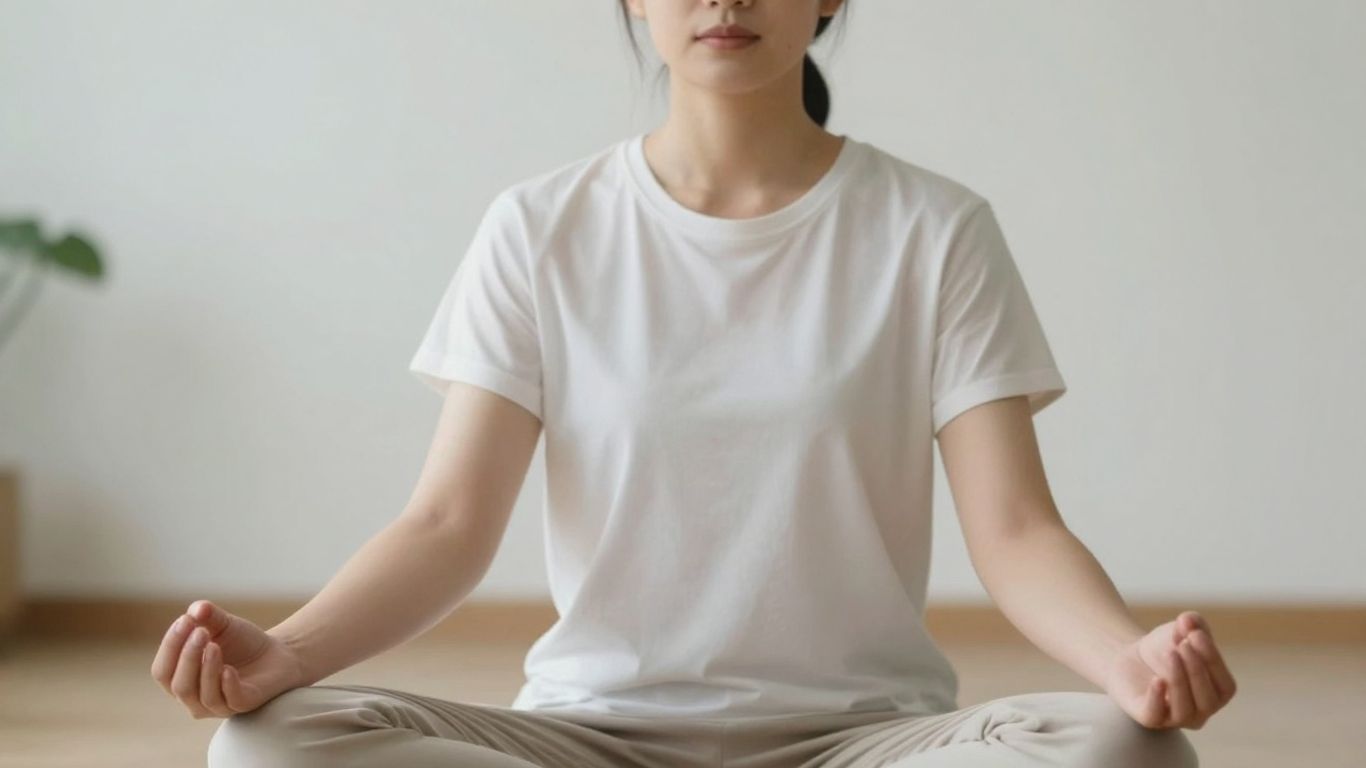
How you sit or lie down is important, but again, comfort is key. You don’t need to contort yourself into a pretzel. Many people find sitting on a cushion on the floor works well, with their legs crossed. If that’s uncomfortable, try sitting in a chair with your feet flat on the floor. You can also lie down if that feels better, just be mindful not to fall asleep! The main idea is to have your spine relatively straight but not stiff. This helps you stay alert without feeling tense. Your hands can rest gently in your lap or on your knees. The most important thing is to find a posture that allows you to relax while still being awake and aware.
The journey of a thousand miles begins with a single step. In meditation, that first step is simply showing up and being present, even for a few minutes. Don’t worry about doing it perfectly; just do it.
Cultivating Present Moment Awareness
So, you’ve got the basics down, and now it’s time to really get into the heart of mindfulness: being right here, right now. It sounds simple, doesn’t it? But our minds are like little puppies, always chasing after something new, a thought about yesterday, a worry about tomorrow. The goal here isn’t to stop thinking – that’s pretty much impossible. Instead, it’s about noticing when you’re thinking and gently guiding yourself back to the present.
Focusing on the Breath
Your breath is your anchor. It’s always with you, a constant rhythm in the background of your life. When you sit down to meditate, just pay attention to the feeling of your breath moving in and out. Where do you feel it most? Maybe it’s the rise and fall of your belly, or the cool air entering your nostrils. Just notice it, without trying to change it. It’s like watching a gentle wave come in and go out.
Noticing When Your Mind Wanders
This is where the real practice happens. You’ll be focusing on your breath, and suddenly, you’re thinking about what to make for dinner, or that awkward conversation you had last week. That’s totally normal! It doesn’t mean you’re failing at meditation. It just means your mind is doing what minds do. The key is to recognize that your mind has wandered off. It’s like seeing a cloud drift across the sky – you see it, acknowledge it, and then let it pass.
Returning to the Breath with Kindness
Once you notice your mind has taken a detour, the next step is to bring it back. And here’s the important part: do it with kindness. Don’t get frustrated with yourself. Imagine you’re gently guiding a lost puppy back home. You just softly redirect your attention back to the sensation of your breath. No judgment, no self-criticism. Just a gentle return. This cycle of noticing, and returning, is the core of cultivating present moment awareness. It’s a skill that gets stronger with practice, helping you stay grounded even when life gets hectic. You can even try guided meditations to help you through this process.
The Science and Benefits of Meditation
It’s easy to think of meditation as just sitting quietly, but there’s a whole lot going on under the surface. Science has really started to dig into what happens when we practice regularly, and the findings are pretty interesting. It’s not just about feeling good in the moment; it’s about making real, lasting changes in our brains and bodies.
Physiological Changes During Meditation
When you sit down to meditate, your body actually shifts gears. Your heart rate tends to slow down, and your blood pressure can drop. This is your body’s way of moving from that ‘fight or flight’ mode into a more relaxed state. Think of it like putting the brakes on a speeding car. Studies using brain imaging show that during meditation, activity in areas of the brain associated with stress and anxiety decreases, while areas linked to attention and self-awareness become more active. It’s a physical reset button.
Cognitive and Emotional Enhancements
Beyond the physical stuff, meditation does wonders for your mind. Regular practice can actually rewire your brain, making it more resilient. You might notice your ability to focus gets better – that constant mental chatter starts to quiet down. This improved concentration isn’t just for your meditation cushion; it spills over into your daily tasks. Emotionally, people often report feeling more balanced and less reactive. Instead of getting swept away by every little thing, you start to develop a bit more space between a feeling and your reaction to it. This emotional regulation is a big win for overall well-being.
Building Mental Resilience
Life throws curveballs, and meditation can help you handle them better. It’s like training for a marathon; the more you practice, the stronger you get. By regularly confronting your thoughts and emotions in a calm way, you build up a kind of mental toughness. This doesn’t mean you won’t feel stress or sadness, but you’ll be better equipped to navigate those feelings without getting completely overwhelmed. It’s about developing a steadier inner state, no matter what’s happening around you.
The practice of meditation isn’t about emptying your mind, but rather about observing your thoughts without getting caught up in them. It’s a skill that develops over time with consistent effort.
Here are some key benefits often reported:
- Reduced feelings of stress and anxiety.
- Improved ability to concentrate and stay focused.
- Greater emotional stability and a more positive outlook.
- Increased self-awareness and understanding of your own patterns.
- Better sleep quality and a more rested feeling.
Integrating Meditation into Daily Life
So, you’ve been practicing meditation, maybe for a few weeks now, and you’re starting to feel a difference. That’s awesome! But the real magic happens when you figure out how to weave it into the fabric of your everyday life, not just when you’re sitting on your cushion. It’s about taking that sense of calm and awareness with you, even when things get a bit hectic.
Developing a Consistent Practice
Making meditation a habit is key. It doesn’t have to be a huge time commitment. Even five or ten minutes a day can make a big impact over time. Think of it like watering a plant; a little bit each day keeps it healthy. The most important part is showing up for yourself, even on days when you don’t feel like it. Consistency builds momentum and strengthens the benefits you’re already noticing.
Here’s a simple way to think about building your routine:
- Start Small: If 10 minutes feels like a lot, try 3 or 5. The goal is to make it doable.
- Pick a Time: Morning often works well before the day gets going, but evenings or lunch breaks are fine too. Find what fits your schedule.
- Be Flexible: Life happens. If you miss a day, don’t beat yourself up. Just get back to it the next day.
- Notice the Effects: Pay attention to how you feel after meditating. This can be a great motivator to keep going.
Overcoming Common Meditation Obstacles
Let’s be real, meditation isn’t always a walk in the park. Your mind will wander, you might feel restless, or life might just throw a curveball that makes sitting still feel impossible. That’s totally normal. The practice isn’t about not having thoughts or distractions; it’s about how you relate to them when they show up.
- Wandering Mind: This is the most common one. When you notice your mind has drifted, just gently guide your attention back to your breath or body. No judgment needed.
- Restlessness or Discomfort: If you’re physically uncomfortable, adjust your posture. If it’s mental restlessness, acknowledge it without getting carried away by it.
- Lack of Time: Revisit the “Start Small” idea. Even a minute or two of focused breathing can be beneficial.
- Feeling “Bad” at It: There’s no “bad” meditation. Every time you sit and try, you’re practicing. The effort itself is the success.
The goal isn’t to empty your mind, but to become more aware of what’s happening in it, without getting swept away. It’s like watching clouds drift by – you see them, but you don’t have to chase after them.
Mindful Living Beyond Formal Sessions
Meditation isn’t just for when you’re sitting quietly. The skills you build – like present moment awareness and non-judgment – can be applied to everything you do. Think about mindful eating, where you really pay attention to the taste, texture, and smell of your food. Or mindful walking, where you notice the sensation of your feet on the ground and the world around you. These everyday moments are opportunities to practice mindfulness, turning ordinary activities into moments of connection and presence. It’s about bringing that same gentle awareness you cultivate on your cushion into the rest of your day, making life feel a little richer and more grounded.
Exploring Different Meditation Techniques
Mastering Mindful Breathing
Mindful breathing is often the starting point for many meditation journeys, and for good reason. It’s accessible, always available, and incredibly effective at grounding you in the present. The basic idea is simple: pay attention to the sensation of your breath as it enters and leaves your body. You don’t need to change it, just observe it. Notice the coolness as it comes in, the warmth as it goes out, the rise and fall of your chest or abdomen. This simple act of focused attention is a powerful way to train your mind.
The Role of Guided Meditations
Sometimes, especially when you’re starting out or feeling particularly restless, having a guide can make a big difference. Guided meditations, often available as audio recordings, lead you through the practice step-by-step. A voice might prompt you to focus on your breath, notice sensations, or gently bring your attention back when it wanders. They can be a great way to explore different themes, like stress reduction or cultivating compassion, and can help you get a feel for different meditation styles without having to figure it all out on your own.
Mindful Eating and Movement Practices
Meditation isn’t just about sitting still. You can bring mindfulness into almost any activity. Mindful eating, for instance, involves paying full attention to the experience of eating – the colors, smells, textures, and tastes of your food, and the sensations of hunger and fullness. Similarly, mindful movement, like walking or gentle yoga, focuses on the physical sensations of your body in motion. These practices help you integrate mindfulness into your daily life, showing that awareness isn’t confined to a cushion.
It’s easy to think meditation has to be a formal, hour-long session in a silent room. But the truth is, you can practice mindfulness while doing the dishes, walking to the store, or even just waiting in line. The goal is to bring a gentle, non-judgmental awareness to whatever you’re doing, right here, right now.
Keep Practicing, Keep Growing
So, that’s the basic rundown on how to get started with mindfulness meditation. It’s not some magic trick, and you won’t suddenly feel like a zen master overnight. Honestly, your mind will wander, a lot. That’s totally normal. The real practice is just gently bringing your attention back, again and again, with a bit of kindness towards yourself. Think of it like building a muscle – the more you show up, even for just a few minutes each day, the stronger your focus and sense of calm will become. Don’t get discouraged if it feels tricky at first. Just keep sitting, keep breathing, and you’ll start to notice the small shifts. You’ve got this.
Read also: Meditation for beginners
Frequently Asked Questions
What exactly is meditation?
Meditation is like a workout for your brain! It’s a practice where you focus your attention, often on your breathing, to help you feel calmer and more aware. Think of it as learning to be really present in the moment, noticing what’s happening without getting carried away by your thoughts.
Why should I try meditating?
There are tons of good reasons! Meditating can help you feel less stressed, improve your ability to focus, and even help you understand your feelings better. It’s like giving yourself a little break to recharge and feel more in control.
How do I start meditating if I’m a total beginner?
It’s super simple to start! Find a quiet spot where you can sit comfortably. Try setting a timer for just 5 or 10 minutes. Then, just pay attention to your breath going in and out. Don’t worry if your mind wanders – that’s totally normal! Just gently bring your attention back to your breath.
What if my mind keeps wandering when I try to meditate?
That’s the most common thing that happens! Your brain is naturally busy. When you notice your mind has wandered off, just gently guide it back to your breath without being hard on yourself. It’s like training a puppy – you just keep kindly bringing it back.
How long should I meditate each day?
When you’re just starting out, even 5 to 10 minutes a day can make a big difference. As you get more comfortable, you might find you want to meditate for longer, maybe 15 or 20 minutes. The most important thing is to try and do it regularly, even if it’s just for a short time.
Can I meditate even if I’m not religious?
Absolutely! Meditation is not tied to any religion. It’s a practice for anyone who wants to feel calmer and more focused. You don’t need to believe in anything special to enjoy the benefits of meditation.