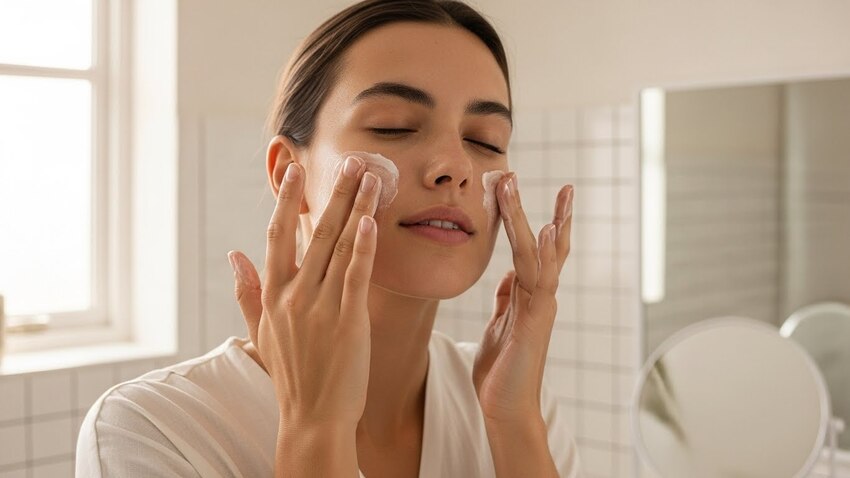
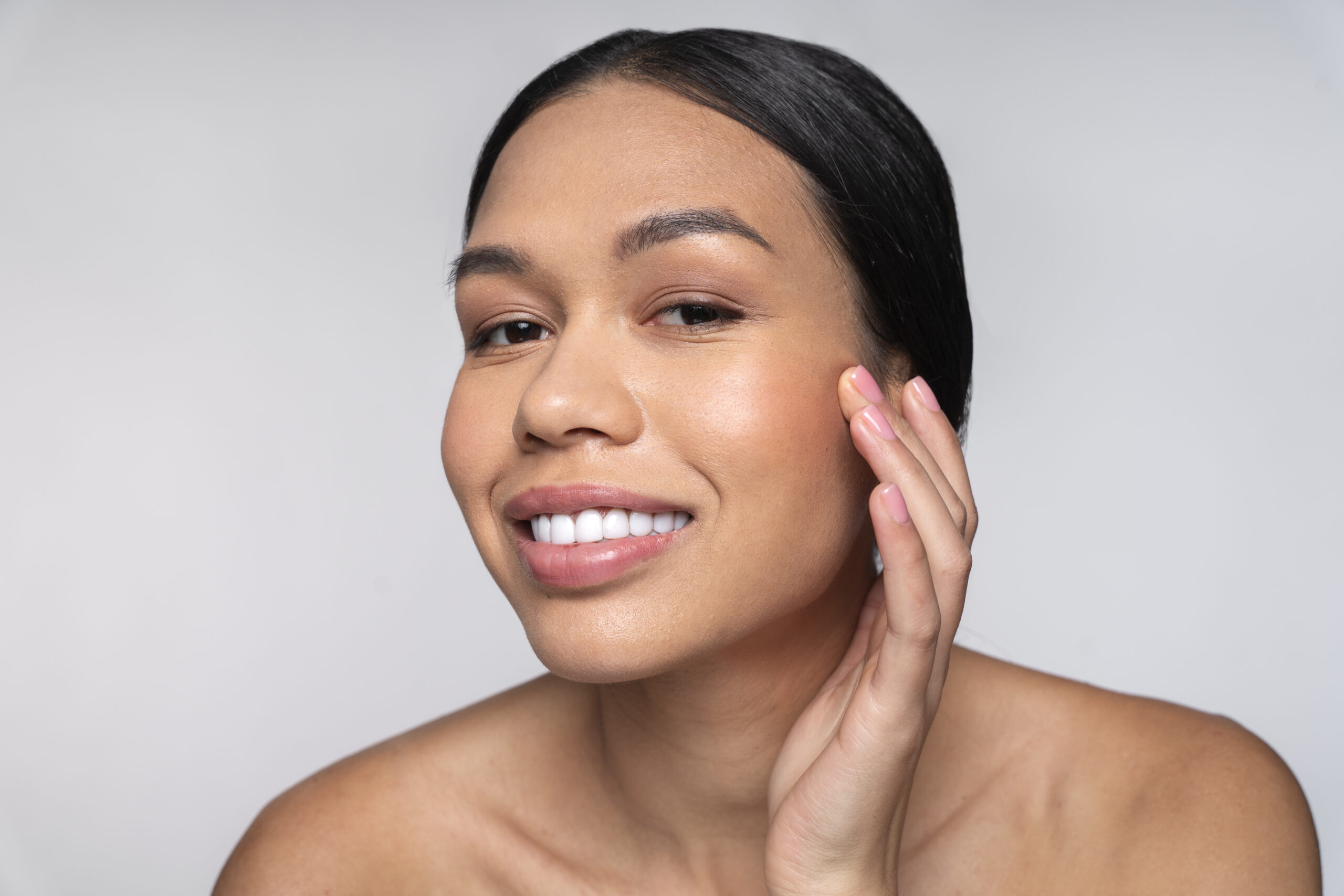
Mature skin has distinct characteristics due to the natural aging process. One of the main changes is the loss of elasticity, resulting from decreased collagen and elastin production. This phenomenon results in less firm skin that is more prone to wrinkles and fine lines, visible signs of the impact of time.
In addition, uneven pigmentation is common in mature skin, manifesting itself through dark spots and freckles, often caused by prolonged sun exposure over the years. The skin also tends to become drier as oil production decreases, contributing to loss of luminosity and dryness.
Sagging is a notable feature, especially in the neck and eye areas, due to reduced collagen and elastin production. The skin becomes thinner as it ages due to the loss of collagen and subcutaneous fat, which affects the texture and thickness of the skin.
How do I know if my skin is mature?
Determining whether your skin is mature involves observing certain specific characteristics and considering factors related to age and skin care history. Mature skin usually shows signs of aging, such as wrinkles, fine lines, and loss of elasticity. If you notice these signs when analyzing your skin, it is an indication that it can be considered mature.
In addition, uneven pigmentation, such as dark spots and freckles, is common in mature skin, resulting from sun exposure over the years. Skin texture may also change, becoming thinner and prone to sagging.
Other factors that may indicate skin maturity include dryness and the need for more intense hydration. If you notice that your skin requires specific care to address these age-related characteristics, you are likely dealing with mature skin.
It is always advisable to consult a dermatologist for a more accurate assessment and personalized recommendations on skin care, taking into account your skin type, lifestyle, and specific needs.
How can you prevent premature skin aging?
To prevent premature skin aging, it is essential to adopt a specific skincare routine and healthy habits. Here are some tips that can help prevent premature skin aging:
Sun protection: Use sunscreen daily, even on cloudy days. Excessive sun exposure is one of the main causes of premature aging, causing wrinkles, spots, and loss of elasticity.
Proper hydration: Keep your skin well hydrated. Use a moisturizer that is suitable for your skin type to prevent dryness, which can contribute to the appearance of wrinkles.
Get enough sleep: Adequate sleep is crucial for skin regeneration. Lack of sleep can contribute to premature aging and dull skin.
Limit alcohol consumption: Excessive alcohol consumption can dehydrate the skin, leading to premature aging. Drink in moderation to maintain healthy skin.
Healthy eating: Eat a balanced diet rich in antioxidants, vitamins, and minerals. Foods such as fruits, vegetables, fish, and nuts can help promote skin health.
Avoid smoking: Smoking accelerates skin aging, contributing to wrinkles and loss of elasticity. Quitting smoking can have significant benefits for skin health.
Limit alcohol consumption: Excessive alcohol consumption can dehydrate the skin, leading to premature aging. Drink in moderation to maintain skin health.
Get enough sleep: Adequate sleep is crucial for skin regeneration. Lack of sleep can contribute to premature aging and dull skin.
Proper skin care: Use skin care products that contain anti-aging ingredients such as retinol, hyaluronic acid, and antioxidants. Consult a dermatologist for a personalized routine.
Avoid stress: Chronic stress can contribute to premature aging. Stress management practices such as meditation and exercise can benefit skin health.
By adopting these practices and maintaining a consistent skincare routine, you can reduce the effects of premature aging and promote healthy, vibrant skin over time.
How to care for mature skin?
Caring for mature skin involves choosing specific products to combat the signs of aging. With this in mind, the for offering solutions for menopause, providing hydration and firmness to the skin.
Regular use can help address the hormonal changes associated with this stage of life. Neovadiol Redensifying Nourishing Cream reduces the impact of menopause on the skin, which loses elasticity, density, and contour definition.
What are the essential active ingredients for mature skin?
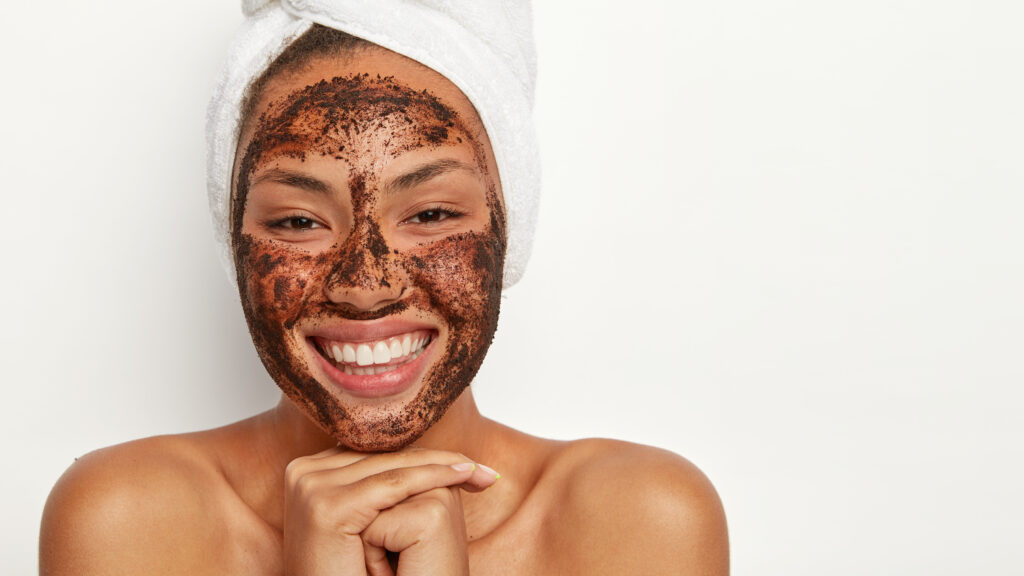
When searching for essential active ingredients for mature skin, it is crucial to highlight the presence of specific ingredients that address the needs associated with aging. Neovadiol products are formulated with Pro-Xylane, a substance known to improve the density and firmness of mature skin, providing a more revitalized appearance.
Skinceuticals’ formula Ferulic stands out for its unique combination of vitamin C, vitamin E, and ferulic acid. These antioxidants work synergistically to protect the skin from damage caused by free radicals, one of the main contributors to premature aging.
Products containing retinol, such as Retinol 0.3 and Retinol B3, are recognized for their effectiveness in reducing fine lines and wrinkles. Retinol, derived from vitamin A, works by stimulating cell renewal and collagen production, which are essential for younger, healthier skin.
How to create a skincare routine for mature skin?
Creating an effective skincare routine for mature skin involves a careful and specific approach to address the challenges associated with aging. Here are steps that can be included in a skincare routine for mature skin:
- Gentle cleansing: Start your skincare routine with a gentle facial cleanser formulated for mature skin. This step removes impurities without causing irritation, preparing the skin to absorb subsequent products.
- Toner: Use a gentle toner to balance the skin’s pH and provide a base for the following products. Choose alcohol-free formulas to avoid dryness.
- Vitamin C: Incorporate a vitamin C serum into your routine. Vitamin C helps brighten the skin, reduce dark spots, and stimulate collagen production, benefiting firmness and elasticity.
- Retinol: Add a retinol product to your nighttime routine to combat fine lines and wrinkles. Retinol stimulates cell renewal and promotes collagen production, helping to improve skin texture.
- Anti-aging moisturizer: Choose a moisturizer rich in anti-aging ingredients such as hyaluronic acid, ceramides, and peptides. These components aid in deep hydration and improve skin elasticity.
- Eye cream: Use a cream specifically designed for the eye area, formulated to treat wrinkles, fine lines, and dark circles. These products are tailored to the delicate skin around the eyes.
- Sunscreen: Daily use of sunscreen is crucial. Choose a product with broad spectrum UVB and UVA protection to shield the skin from UV damage, preventing premature aging.
- Additional treatments: If necessary, include additional treatments as directed by your dermatologist. This may involve products with specific ingredients for individual skin needs.
- Nighttime routine: Maintain a consistent nighttime routine, allowing the products to work while you rest. This includes applying serums and night creams suitable for mature skin.
- Regular visits to the dermatologist: Schedule regular appointments with a dermatologist for evaluations and adjustments to your routine as your skin changes and your specific needs evolve.
Adapting your skincare routine to your individual needs and seeking professional guidance is essential to ensure that the products you choose are appropriate and provide effective benefits for mature skin.
How to choose the ideal products for mature skin?
Choosing ideal products for mature skin involves paying attention to moisturizing and anti-aging ingredients. Look for products that contain hyaluronic acid, retinol, antioxidants, and pro-collagen peptides. Rich moisturizers and sunscreens are essential for maintaining healthy skin.
MicaWellbeing is that offers comparions and recomendatios for skin care products, personalized beauty tips, and information about industry news. This makes it easier to choose the right products for your mature skin, with expert guidance.