
1.Understanding the Meaning of “Rapid Weight Loss”
A desire for swift outcomes is common; however, “rapid” weight loss should remain within the limits that your body can safely manage.
Most health authorities concur that an achievable and healthy pace for weight loss ranges from approximately 0.5 to 1 kilogram per week (1 to 2 pounds weekly). This typically entails consuming slightly fewer calories and increasing physical activity essentially, it does not involve extreme dieting or excessive exercise routines.
Attempting to shed pounds at a rate significantly higher than this can often result in loss of muscle mass, feelings of fatigue, and regaining lost weight.
1.1 Distinction Between Healthy and Unhealthy Weight Loss
Healthy weight loss generally encompasses:
- A moderate caloric deficit (consuming fewer calories than expended, but avoiding excessively low intake)
- A focus on nutrient-rich options: including vegetables, fruits, lean proteins, whole grains, and beneficial fats
- Sufficient protein consumption to preserve muscle tissue
- Consistent physical activity along with some strength training
- A weight reduction approach that can be sustained for several months, rather than merely days
Unhealthy weight loss often includes:
- Severe calorie restrictions of approximately 1,200 kcal/day (for the majority of adults) without professional oversight
- Eliminating complete food groups without any medical justification
- Dependency on “detox teas,” laxatives, or unregulated weight loss supplements
- Persistent feelings of hunger, dizziness, irritability, or loss of hair
- Rapid weight loss followed by swift weight regain
The Centers for Disease Control and Prevention (CDC) highlights that a gradual weight loss approach is more conducive to long-term success.
1.2 Importance of Sustainability
The goal is not solely to reduce weight but to maintain that loss over time.
When you engage in overly aggressive weight loss methods:
- Your metabolism may decrease as your body attempts to conserve energy.
- There is a higher likelihood of binge eating following periods of strict dieting.
- There may be insufficient time to establish lasting habits, leading to a quick return to prior behaviors.
Sustainability does not imply a slow or ineffective process. It signifies adopting strategies that you can realistically uphold while still observing progress.
- Seven Healthy Strategies for Rapid Weight Loss
These seven strategies assist in weight loss at the healthiest possible rate, circumventing crash dieting or extreme tactics.
2.1 Strategy One – Balanced Caloric Management
To lose weight effectively, you must create a caloric deficit: consuming fewer calories than you expend. For many individuals, a deficit of approximately 500 to 750 calories daily results in consistent, visible advancement.
Essential guidelines:
- Avoid estimation: Utilize an application, food journal, or website to track intake for a duration of 1 to 2 weeks to determine your baseline.
- Reduce the size of portions for calorie-dense foods (such as fried items, desserts, sugary beverages, and ultra-processed snacks).
- Prioritize vegetables, lean proteins, and whole grains when filling your plate.
- Refrain from consuming less than about 1,200 calories per day for most women and 1,500 for most men, unless under the guidance of a professional.
For a comprehensive understanding of a balanced eating framework, Harvard’s Nutrition Source – Healthy Weight provides evidence-based recommendations on dietary selections and energy management.

2.2 Method 2 – Consistent Physical Activity
Engaging in exercise allows for increased calorie expenditure, maintenance of muscle mass, and an overall improved sense of well-being.
Aim for:
- A minimum of 150 minutes of moderate cardiovascular activity each week (such as brisk walking, cycling, or swimming) or 75 minutes of vigorous exercise (like running, high-intensity interval training, or fast cycling).
- Also, incorporate strength training on two or more days weekly (using weights, resistance bands, or bodyweight exercises).
For an expedited yet healthy weight loss, many individuals find it beneficial to partake in 20 to 45 minutes of physical activity on most days, combining:
- Cardiovascular exercises for calorie reduction and cardiovascular health.
- Strength training to maintain and develop muscle mass, which aids in supporting an elevated metabolic rate.

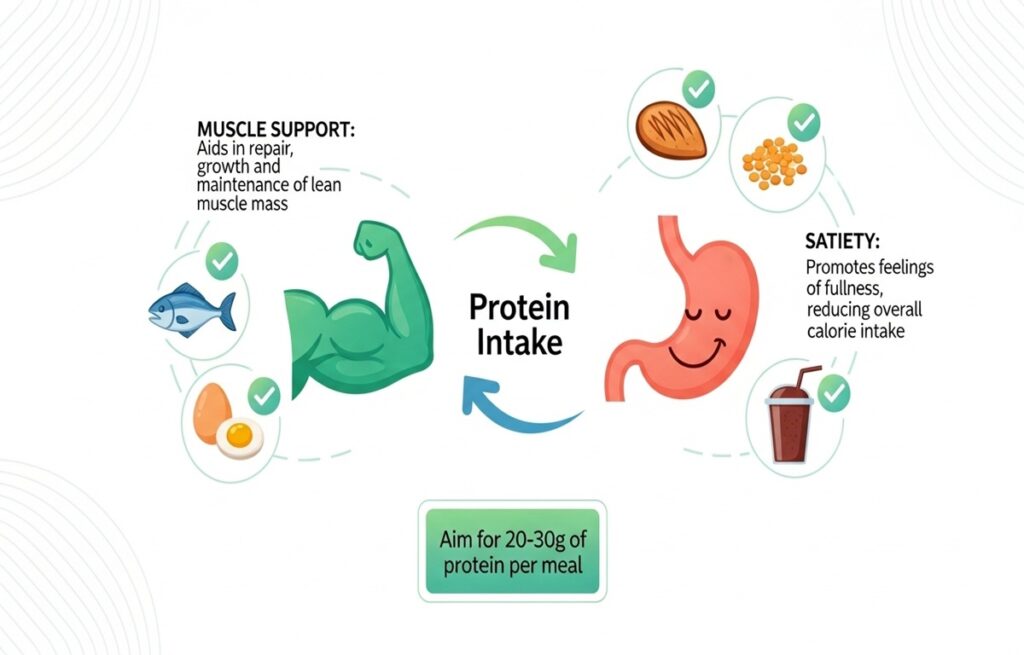
2.3 Method 3 – Emphasizing Protein Consumption
Protein plays an essential role in weight loss, as it:
- Promotes prolonged satiety.
- Assists in muscle preservation during caloric restrictions.
- Marginally boosts calorie expenditure through the digestion process.
Effective strategies for ensuring adequate protein intake include:
- Incorporating a protein source in each meal: such as eggs, Greek yogurt, cottage cheese, tofu, tempeh, beans, lentils, fish, poultry, and lean meats.
- Opting for high-protein snacks: including Greek yogurt, a handful of nuts, hummus, edamame, or protein smoothies.
Individuals pursuing fat loss typically benefit from approximately 1.2 to 1.6 grams of protein per kilogram of body weight each day, though requirements may differ. Consult with a healthcare professional or dietitian prior to significantly increasing protein intake, especially if you have renal difficulties or other health concerns.
2.4 Method 4 – Adequate Hydration
Lack of hydration can mimic sensations of hunger, leading to unnecessary snacking.
Basic Recommendations:
- Strive for around 6 to 8 cups (1.5 to 2 liters) of fluids daily as an initial guideline, increasing intake if you are physically active or reside in a hotter environment.
- Prioritize water, unsweetened tea, or sparkling water over sugary beverages.
- Keep a water bottle accessible and sip regularly throughout the day.
While there is no need to excessively consume water, maintaining consistent hydration is essential for supporting energy, controlling appetite, and enhancing workout performance.
2.5 Method 5 – Healthy Sleep Practices
Inadequate sleep can disrupt hormones regulating appetite (ghrelin and leptin), potentially leading to increased cravings for calorie-dense foods.
To foster weight reduction, consider aiming for:
- 7 to 9 hours of sleep each night.
- Establishing a regular sleep and waking schedule, even on weekends.
- Refraining from heavy meals, caffeine, and screen time prior to bedtime.
- Creating a sleeping environment that is dark, tranquil, and cool.
Sufficient sleep facilitates making healthier food choices, adhering to your plan, and sustaining energy for physical activity.
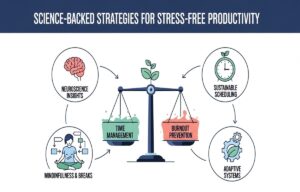
2.6 Method 6 – Managing Stress
Chronic stress can:
- Elevate cortisol levels, which may encourage fat accumulation (particularly in the abdominal area).
- Instigate emotional eating and cravings for sugary and fatty foods.
Beneficial methods for managing stress include:
- Practicing deep breathing or engaging in short mindfulness exercises.
- Walking outside, especially in natural settings.
- Journaling to help process emotions.
- Seeking support from a therapist or counselor when stress becomes overwhelming.

2.7 Method 7 – Establishing Consistent Daily Routine
Your consistent habits rather than your level of motivation are the key to achieving enduring success.
To expedite weight loss in a manner that is both effective and maintainable:
- Consume meals at consistent intervals to minimize the chances of arriving at mealtime excessively hungry.
- Prepare your meals or at least identify your protein sources in advance.
- Maintain a supportive environment by ensuring healthy foods are easily accessible while making trigger foods harder to reach.
- Utilize basic tracking methods (such as a notes application, food log, or habit tracker) to remain conscious of your eating patterns.
Routine small actions typically yield better results than in frequent large actions.
3. Common Errors to Avoid
Despite having good intentions, certain widely accepted methods can yield negative outcomes.
3.1 Severely Restrictive Diets
Diets that are very low in calories or excessively limited may result in significant short-term weight loss; however, they often cause:
- Loss of muscle mass rather than primarily targeting fat loss
- Severe hunger and diminished energy levels
- Deficiencies in essential nutrients
- Quick regain of weight once normal eating habits are resumed
If your dietary plan feels punitive, eliminates entire food categories without a medical rationale, or obstructs usual social eating practices, it is unlikely to be sustainable and could be detrimental to health.
3.2 Meal Skipping
While some individuals thrive on structured methods such as time-restricted eating, arbitrary skipping of meals often leads to undesirable effects.
Possible drawbacks include:
- Increased tendency to overeat later in the day
- Experiencing energy drops and difficulty concentrating
- Intense cravings for sweets and processed carbohydrates
If you wish to experiment with meal timing, approach it deliberately and ensure overall nutrition and calorie intake are thoughtfully considered, rather than simply forgoing breakfast or lunch without strategizing.
4. When to Seek Expert Guidance
Weight loss strategies are not universally applicable. Your health history, medications, and lifestyle choices are significant factors.
You should seriously contemplate obtaining professional advice if you:
- Have chronic medical conditions (such as diabetes, heart disease, kidney disorders, hormonal problems, etc.)
- Are taking medications that influence weight or appetite
- Have a background of eating disorders or disordered eating patterns
- Require the loss of a considerable amount of weight or face health risks related to obesity
- Experience symptoms like chest pain, acute shortness of breath, fainting, or extreme fatigue during exercise activities.
4.1 Functions of Nutritionists and Physicians
Physicians can:
- Investigate potential underlying issues (such as thyroid dysfunction, hormonal irregularities, or the effects of medications)
- Monitor your general health, including blood pressure, lab results, and cardiac function
- Advise on the suitability of specific diets, medications, or weight-loss interventions
Registered dietitians and nutritionists can:
- Create a customized meal plan that accommodates your preferences, cultural background, and daily schedule
- Assist you in meeting your nutritional requirements while losing weight
- Educate you on how to interpret food labels, plan meals effectively, and manage cravings
Engaging with professionals typically enhances safety, accelerates progress, and promotes sustainability in the weight-loss journey.