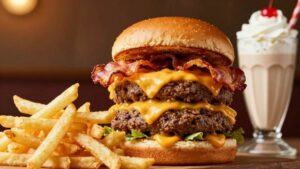
Fast food is super convenient, but let’s be real, some of it packs a serious calorie punch. We’re talking about the highest calorie fast food options out there. It’s easy to grab something without thinking, but knowing what you’re actually eating can make a big difference. This article is going to break down some of those super-sized meals and what makes them so calorie-dense, so you can make a more informed choice next time you’re staring at the menu.
Key Takeaways
- Some fast food meals can easily go way over your daily calorie needs in just one sitting.
- Chains like Wendy’s and Sonic often have menu items that are particularly high in calories, thanks to big portions and sugary additions.
- It’s not just the main item; drinks, sides, and even sauces can add a ton of hidden calories.
- You can often make healthier choices by swapping ingredients or asking for modifications when ordering.
- While some chains are known for calorie bombs, others like Burger King or Arby’s can offer more moderate options if you know what to look for.
Understanding the Highest Calorie Fast Food Landscape
The Allure of High-Calorie Indulgences
Let’s be real, sometimes you just crave something rich and satisfying. That’s where fast food often comes in. It’s quick, it’s convenient, and many of the most popular items are designed to be incredibly tasty. Think about a juicy burger loaded with toppings, or a thick, creamy milkshake. These foods hit a lot of satisfying notes for our taste buds. It’s not always about being healthy; sometimes it’s about that immediate comfort and flavor hit. This desire for quick, delicious, and often indulgent food is a big reason why high-calorie options are so popular.
Factors Contributing to High Calorie Counts
So, what makes some fast food meals pack such a caloric punch? It’s usually a combination of things. First, the ingredients themselves: fatty meats, lots of cheese, creamy sauces, and fried components all add up fast. Then there are the portion sizes, which can be pretty generous. Think about a large soda or a family-sized bag of fries. Even seemingly simple items can become calorie bombs when they’re supersized or loaded with extras. It’s a careful balance of fat, sugar, and salt, often engineered to be irresistible.
Here’s a quick look at common calorie boosters:
- Fried Foods: Anything battered and deep-fried, like fries, onion rings, or fried chicken, soaks up a lot of oil.
- Fatty Meats & Cheeses: Burgers with multiple patties, bacon, and generous cheese slices are calorie powerhouses.
- Sugary Drinks & Shakes: Large sodas, sweetened teas, and thick milkshakes are often loaded with sugar and calories.
- Creamy Sauces & Dressings: Mayonnaise, special sauces, and rich salad dressings can add significant calories and fat.
Leia: Achieve Nutrition and Body Balance: Enhancing Strength, Lightness, and Mobility
Navigating Menu Options Strategically
Looking at a fast food menu can sometimes feel overwhelming, especially when you’re trying to make a better choice. It’s easy to get drawn in by the combo deals or the pictures of loaded sandwiches. But with a little awareness, you can start to spot the calorie traps. It helps to know what ingredients tend to be higher in calories and to pay attention to the sizes of everything, from your main dish to your drink. Sometimes, a small change can make a big difference in the overall calorie count of your meal.
Making informed choices doesn’t mean you can never enjoy fast food again. It’s about understanding what you’re eating and making conscious decisions based on your goals and preferences. A little bit of knowledge goes a long way in helping you enjoy your meal without completely derailing your efforts.
Top Chains with Calorie-Dense Offerings
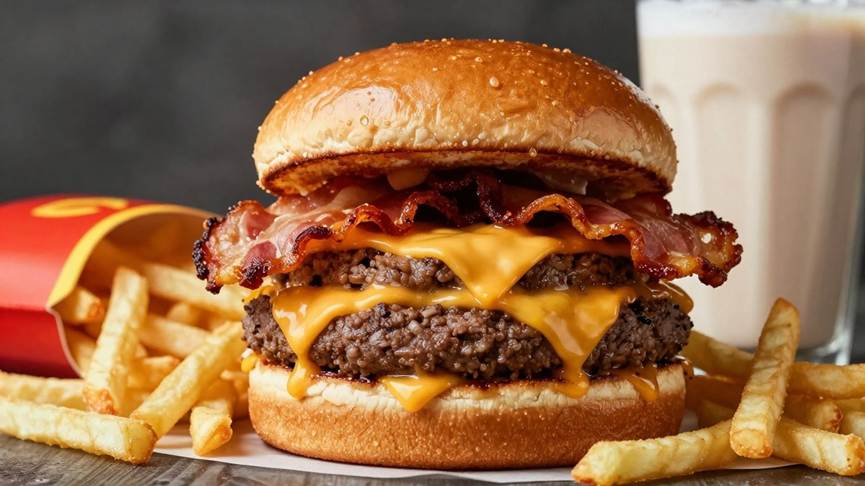
When you’re really craving something, sometimes only fast food will do, right? It’s a common experience, and some places just seem to be known for their seriously filling, and let’s be honest, calorie-packed meals. It’s not always about making the healthiest choice, but it’s good to know which chains tend to serve up the most substantial options.
Wendy’s: A Caloric Heavyweight
Wendy’s often pops up when people talk about high-calorie fast food. They’ve got some seriously big burgers, and when you add in sides and a drink, it can add up fast. Their Triple Baconator meal, for instance, can easily push past 2,000 calories, which is a lot for one sitting. It’s not just the burgers, either; some of their promotional items and even desserts can be surprisingly dense.
Sonic’s Supersized Selections
Sonic is another spot where portion sizes and sugary drinks can really pack a punch. Think about their massive milkshakes – some of them are practically meals in themselves. It’s easy to go overboard here if you’re not paying attention to what you’re ordering. A large drink or a loaded ice cream treat can add hundreds of calories without you even realizing it.
Dairy Queen’s Decadent Delights
Dairy Queen is famous for its ice cream, and those Blizzards are definitely a treat. But beyond the sweets, their fried food options, like combo meals with fries and chicken strips, can also be quite high in calories. It’s a place where dessert can easily become the main event, calorie-wise, and it’s easy to find nutrition facts for their extensive menu online if you want to check.
Specific High-Calorie Fast Food Examples
Sometimes, you just want the biggest, baddest thing on the menu, right? We get it. Fast food chains often have those signature items that are practically legendary for their sheer size and calorie load. These aren’t your everyday meals; they’re the special occasion splurges, the ‘I’m-starving-and-need-everything’ choices.
The Triple Baconator Meal
Wendy’s Triple Baconator is a prime example of a calorie-dense burger. We’re talking multiple beef patties, piles of bacon, cheese, and sauces all stacked high. A meal deal featuring this behemoth, often including fries and a drink, can easily push past 2,000 calories. It’s a lot of food, and a lot of fat and sodium, all in one go.
Massive Milkshakes and Sugary Drinks
Don’t forget about the drinks! Those giant milkshakes, especially ones loaded with candy or cookie pieces, are calorie bombs. Sonic, for instance, is known for its supersized shakes that can pack more calories than a full meal. Even seemingly simple sodas, when ordered in the largest sizes and perhaps combined with syrups or extra flavors, contribute significantly to your daily intake. A 44-ounce drink might seem like a good deal, but it’s often loaded with sugar.
Loaded Burritos and Fried Combos
Other chains offer their own calorie-heavy hitters. Think about a fully loaded burrito from a place like Taco Bell, stuffed with meat, cheese, sour cream, and beans. Or consider a fried chicken combo meal from KFC, especially the extra crispy versions, which come with sides that also add up. These meals are designed to be filling and indulgent, and they certainly deliver on that front, often exceeding recommended daily limits for calories, fat, and sodium in a single sitting.
Beyond the Obvious: Hidden Calorie Traps
![You know, sometimes you just need a quick bite. Maybe it's a late night, or you're just too tired to cook. Fast food is super convenient, but let's be real, some of it packs a serious calorie punch. We're talking about the highest calorie fast food options out there. It’s easy to grab something without thinking, but knowing what you're actually eating can make a big difference. This article is going to break down some of those super-sized meals and what makes them so calorie-dense, so you can make a more informed choice next time you're staring at the menu.
Key Takeaways
• Some fast food meals can easily go way over your daily calorie needs in just one sitting.
• Chains like Wendy's and Sonic often have menu items that are particularly high in calories, thanks to big portions and sugary additions.
• It's not just the main item; drinks, sides, and even sauces can add a ton of hidden calories.
• You can often make healthier choices by swapping ingredients or asking for modifications when ordering.
• While some chains are known for calorie bombs, others like Burger King or Arby's can offer more moderate options if you know what to look for.
Understanding the Highest Calorie Fast Food Landscape
The Allure of High-Calorie Indulgences
Let's be real, sometimes you just crave something rich and satisfying. That's where fast food often comes in. It's quick, it's convenient, and many of the most popular items are designed to be incredibly tasty. Think about a juicy burger loaded with toppings, or a thick, creamy milkshake. These foods hit a lot of satisfying notes for our taste buds. It's not always about being healthy; sometimes it's about that immediate comfort and flavor hit. This desire for quick, delicious, and often indulgent food is a big reason why high-calorie options are so popular.
Factors Contributing to High Calorie Counts
So, what makes some fast food meals pack such a caloric punch? It's usually a combination of things. First, the ingredients themselves: fatty meats, lots of cheese, creamy sauces, and fried components all add up fast. Then there are the portion sizes, which can be pretty generous. Think about a large soda or a family-sized bag of fries. Even seemingly simple items can become calorie bombs when they're supersized or loaded with extras. It's a careful balance of fat, sugar, and salt, often engineered to be irresistible.
Here's a quick look at common calorie boosters:
• Fried Foods: Anything battered and deep-fried, like fries, onion rings, or fried chicken, soaks up a lot of oil.
• Fatty Meats & Cheeses: Burgers with multiple patties, bacon, and generous cheese slices are calorie powerhouses.
• Sugary Drinks & Shakes: Large sodas, sweetened teas, and thick milkshakes are often loaded with sugar and calories.
• Creamy Sauces & Dressings: Mayonnaise, special sauces, and rich salad dressings can add significant calories and fat.
Navigating Menu Options Strategically
Looking at a fast food menu can sometimes feel overwhelming, especially when you're trying to make a better choice. It's easy to get drawn in by the combo deals or the pictures of loaded sandwiches. But with a little awareness, you can start to spot the calorie traps. It helps to know what ingredients tend to be higher in calories and to pay attention to the sizes of everything, from your main dish to your drink. Sometimes, a small change can make a big difference in the overall calorie count of your meal.
Making informed choices doesn't mean you can never enjoy fast food again. It's about understanding what you're eating and making conscious decisions based on your goals and preferences. A little bit of knowledge goes a long way in helping you enjoy your meal without completely derailing your efforts.
Top Chains with Calorie-Dense Offerings
When you're really craving something, sometimes only fast food will do, right? It's a common experience, and some places just seem to be known for their seriously filling, and let's be honest, calorie-packed meals. It's not always about making the healthiest choice, but it's good to know which chains tend to serve up the most substantial options.
Wendy's: A Caloric Heavyweight
Wendy's often pops up when people talk about high-calorie fast food. They've got some seriously big burgers, and when you add in sides and a drink, it can add up fast. Their Triple Baconator meal, for instance, can easily push past 2,000 calories, which is a lot for one sitting. It's not just the burgers, either; some of their promotional items and even desserts can be surprisingly dense.
Sonic's Supersized Selections
Sonic is another spot where portion sizes and sugary drinks can really pack a punch. Think about their massive milkshakes – some of them are practically meals in themselves. It's easy to go overboard here if you're not paying attention to what you're ordering. A large drink or a loaded ice cream treat can add hundreds of calories without you even realizing it.
Dairy Queen's Decadent Delights
Dairy Queen is famous for its ice cream, and those Blizzards are definitely a treat. But beyond the sweets, their fried food options, like combo meals with fries and chicken strips, can also be quite high in calories. It's a place where dessert can easily become the main event, calorie-wise, and it's easy to find nutrition facts for their extensive menu online if you want to check.
Specific High-Calorie Fast Food Examples
Sometimes, you just want the biggest, baddest thing on the menu, right? We get it. Fast food chains often have those signature items that are practically legendary for their sheer size and calorie load. These aren't your everyday meals; they're the special occasion splurges, the 'I'm-starving-and-need-everything' choices.
The Triple Baconator Meal
Wendy's Triple Baconator is a prime example of a calorie-dense burger. We're talking multiple beef patties, piles of bacon, cheese, and sauces all stacked high. A meal deal featuring this behemoth, often including fries and a drink, can easily push past 2,000 calories. It’s a lot of food, and a lot of fat and sodium, all in one go.
Massive Milkshakes and Sugary Drinks
Don't forget about the drinks! Those giant milkshakes, especially ones loaded with candy or cookie pieces, are calorie bombs. Sonic, for instance, is known for its supersized shakes that can pack more calories than a full meal. Even seemingly simple sodas, when ordered in the largest sizes and perhaps combined with syrups or extra flavors, contribute significantly to your daily intake. A 44-ounce drink might seem like a good deal, but it's often loaded with sugar.
Loaded Burritos and Fried Combos
Other chains offer their own calorie-heavy hitters. Think about a fully loaded burrito from a place like Taco Bell, stuffed with meat, cheese, sour cream, and beans. Or consider a fried chicken combo meal from KFC, especially the extra crispy versions, which come with sides that also add up. These meals are designed to be filling and indulgent, and they certainly deliver on that front, often exceeding recommended daily limits for calories, fat, and sodium in a single sitting.
Beyond the Obvious: Hidden Calorie Traps
It’s easy to spot the giant burgers and milkshakes when you’re looking at a fast food menu. But sometimes, the biggest calorie bombs aren't the ones that scream "indulgence." They're the sneaky additions and combinations that can really pack a punch without you even realizing it. These hidden calorie traps can turn a seemingly moderate meal into a caloric overload.
The Impact of Meal Pairings
Think about ordering a combo meal. That sandwich might seem okay on its own, but when you add the fries and a soda, the numbers jump significantly. A Big Mac meal, for instance, can easily reach 1,300 calories just from the burger, fries, and a standard soda. It’s not just about the main item; it’s the whole package. Even seemingly innocent sides can add up. A small order of fries here, a sugary drink there – it all contributes to the total.
Understanding 'Bliss Point' Formulations
Food scientists are pretty clever. They work to hit what's called the "bliss point" – that perfect mix of sugar, salt, and fat that makes food incredibly appealing. It’s designed to make you want more, even when you're already full. You know those chips that you just can't stop eating? That's the bliss point at work. This hyperpalatability means foods are made to be super tasty, but they might not keep you feeling satisfied for long, leading you to eat more than you intended. This is a big reason why many processed foods, like certain cereals or even ketchup, can have a lot of added sugar [eeb0].
The Role of Portion Sizes
This one might seem obvious, but it's worth repeating. Fast food chains often offer supersized options. That 44-ounce milkshake? It’s not just a drink; it’s practically a meal in itself. Even standard portion sizes can be larger than what we might consider a normal serving at home. It’s easy to overlook how much we’re actually consuming when it’s all served up in one go.
Here’s a quick look at how some common additions can inflate your meal:
• Fries: A large order can add 500+ calories.
• Sweetened Drinks: A large soda or sweetened tea can easily add 300-500 calories.
• Sauces & Dips: Ranch, honey mustard, or even extra ketchup can add 100-200 calories per serving.
It's not just about the main dish. The sides, the drinks, the little extras – they all play a role in the final calorie count. Being aware of these additions is key to making a more informed choice.
Making Smarter Choices at Fast Food Restaurants
Look, we all know fast food isn't exactly health food central. But sometimes, you just need a quick bite, right? The good news is, you don't have to completely derail your goals every time you hit the drive-thru. It's all about being a little more strategic with what you pick.
Prioritizing Protein Over Empty Calories
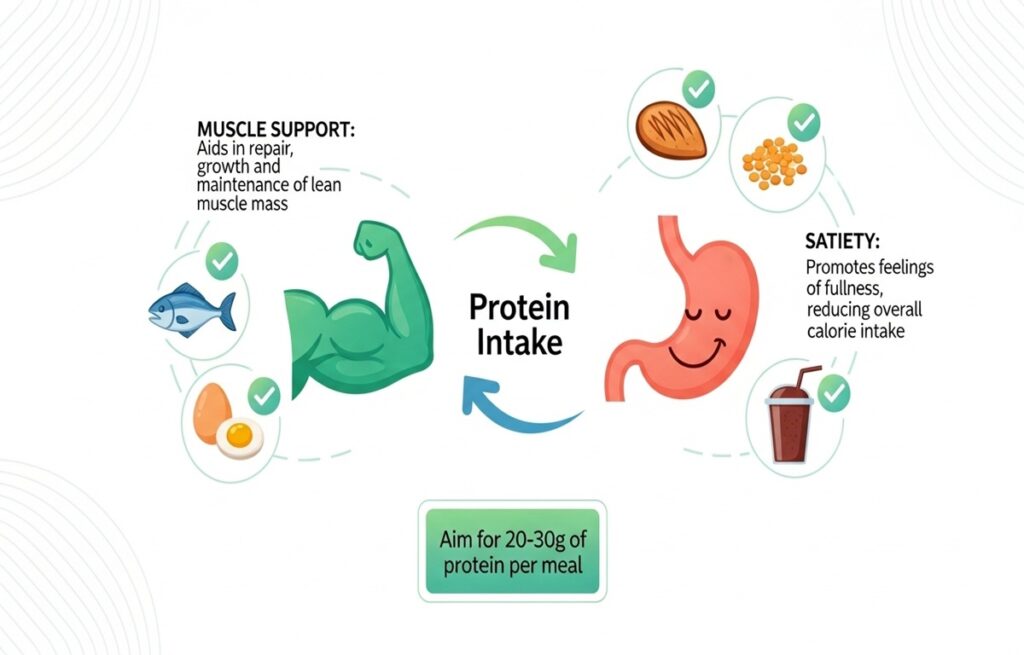
When you're looking at a menu packed with fried everything and sugary drinks, it's easy to get lost. Instead of just grabbing whatever sounds good, try to focus on items that pack a protein punch. Protein helps you feel full longer, which means you're less likely to grab another snack an hour later. Think grilled chicken sandwiches (hold the mayo, maybe?), lean beef patties, or even bean-based options if they're available. These choices give you more bang for your buck nutritionally, keeping you satisfied without just adding a bunch of calories that don't do much for you.
Modifying Orders for Healthier Outcomes
Don't be afraid to ask for changes! Most places are pretty used to special requests by now. You can often swap out fries for a side salad or fruit, ask for sauces on the side so you can control how much you use, or even skip the cheese and bacon on your burger. Little tweaks can make a big difference. For example, swapping a regular soda for a diet version or water cuts out a ton of sugar and calories instantly. It's about making small adjustments that add up.
Recognizing High-Sodium Culprits
This is a big one that often gets overlooked. Many fast food items are loaded with sodium, which can lead to bloating and other health issues. Things like processed meats, salty sauces, and even the bread can contribute. While it's hard to avoid sodium entirely at most fast food joints, being aware helps. If you see a meal with a sky-high sodium count, maybe consider a different option or try to balance it out with lower-sodium choices throughout the rest of your day. It's a balancing act, for sure.
The food industry is really good at making things taste amazing. They hit what they call the 'bliss point' with just the right mix of sugar, salt, and fat. This makes food super appealing, and honestly, it can make it hard to stop eating. So, when you find something you really like, it's not just you; the food is designed that way.
Chains Known for More Moderate Options
While it's easy to get lost in the calorie-heavy menus of some fast-food giants, not all chains are created equal. Some places actually offer choices that won't completely derail your day's nutrition goals. It's all about knowing where to look and what to order. You can definitely find satisfying meals without going overboard on calories.
Burger King's Lighter Alternatives
Burger King often gets a bad rap for its calorie-dense burgers, but there are ways to make smarter choices. The Whopper Jr., for instance, is a significantly lighter option compared to its larger counterpart. It still gives you that classic burger taste but with fewer calories and less saturated fat. It's a good example of how choosing a smaller size can make a big difference.
• Whopper Jr.: Around 310 calories, 13g protein, 18g total fat, 5g saturated fat, 390mg sodium.
• Chicken Sandwich (grilled): A generally lower-calorie choice than beef options.
• Salads: Opt for grilled chicken salads and be mindful of dressing choices.
Arby's Leaner Protein Choices
Arby's is known for its roast beef, but if you're looking to keep calories and saturated fat in check, turkey is your friend here. The Roast Turkey Ranch & Bacon Sandwich can be a solid choice, especially if you ask for the dressing on the side. This simple modification helps control calories and sodium. You can also skip the bacon if you want to cut down even further, though that will reduce the protein a bit. It's all about finding that balance that works for you. For a quick bite, consider their turkey sandwiches.
Shake Shack's Balanced Approach
Shake Shack has built a reputation for quality ingredients and a slightly more upscale fast-casual feel. While they certainly have indulgent items, their menu also features options that are more balanced. Their burgers, while delicious, are often more reasonably portioned than some competitors.
• ShackBurger: A classic choice that's not excessively large.
• Chicken Shack Sandwich: A grilled chicken option that's typically lighter than beef.
• Veggie Shack: For those looking for a meat-free alternative.
Making conscious choices at any fast-food restaurant is key. Even at chains known for more moderate options, paying attention to portion sizes and added sauces can help you stay on track with your nutritional goals.
So, What's the Takeaway?
Look, we all know fast food isn't exactly health food. Some of these meals pack a serious calorie punch, way more than you probably need in a day. It's easy to see how those massive burgers, loaded fries, and giant shakes can add up fast. But that doesn't mean you have to swear off the drive-thru forever. The key is being aware. Knowing which options are the biggest calorie bombs helps you make a choice, whether that's picking a smaller size, skipping the sugary drink, or just treating it as an occasional indulgence. It's all about balance, right? Enjoy that burger now and then, but maybe pair it with a salad next time, or just keep it in mind for those rare moments when only fast food will do.
Frequently Asked Questions
What makes fast food so high in calories?
Fast food often uses a lot of ingredients like sugar, salt, and fat to make it taste really good. Plus, the portions can be super big, meaning you get a lot of food in one go. Things like fried foods, creamy sauces, and big drinks add up quickly.
Which fast food chains tend to have the most calorie-dense options?
Some chains are known for having meals that can be way over your daily calorie needs. Places like Wendy's, Sonic, and Dairy Queen often have items like giant burgers, loaded fries, and massive milkshakes that pack a serious calorie punch. It's good to be aware of these when you're choosing.
Are there specific menu items that are especially high in calories?
Yes, definitely. Think about things like triple-layer bacon burgers, extra-large milkshakes loaded with candy, or big burritos filled with cheese, sour cream, and fried meat. These kinds of meals can easily go over 1,000 or even 2,000 calories.
What are 'hidden calorie traps' in fast food?
Hidden calories are often in things you might not expect. This includes the drinks you pair with your meal (like sugary sodas or shakes), sauces and toppings that add extra fat and sugar, and even the way foods are made super tasty to make you want more. Sometimes, the size of the meal is just way bigger than you need.
How can I make healthier choices at fast food restaurants?
You can make smarter choices by picking grilled over fried foods, choosing water or diet drinks instead of sugary ones, and asking for sauces on the side so you can control how much you use. Loading up on veggies and lean protein can also help you feel full without all the extra calories.
Are there any fast food chains that are generally better for healthier options?
Some chains are known for having more moderate choices. Places like Burger King, Arby's, and Shake Shack often have options that are lower in calories and fat compared to others. They might offer grilled chicken sandwiches or simpler burgers that are easier to fit into a healthier eating plan.](https://micawellbeing.com/wp-content/uploads/2026/01/image-1.jpeg "Unpacking the Highest Calorie Fast Food Options: What You Need to Know 2")
It’s easy to spot the giant burgers and milkshakes when you’re looking at a fast food menu. But sometimes, the biggest calorie bombs aren’t the ones that scream “indulgence.” They’re the sneaky additions and combinations that can really pack a punch without you even realizing it. These hidden calorie traps can turn a seemingly moderate meal into a caloric overload.
The Impact of Meal Pairings
Think about ordering a combo meal. That sandwich might seem okay on its own, but when you add the fries and a soda, the numbers jump significantly. A Big Mac meal, for instance, can easily reach 1,300 calories just from the burger, fries, and a standard soda. It’s not just about the main item; it’s the whole package. Even seemingly innocent sides can add up. A small order of fries here, a sugary drink there – it all contributes to the total.
Understanding ‘Bliss Point’ Formulations
Food scientists are pretty clever. They work to hit what’s called the “bliss point” – that perfect mix of sugar, salt, and fat that makes food incredibly appealing. It’s designed to make you want more, even when you’re already full. You know those chips that you just can’t stop eating? That’s the bliss point at work. This hyperpalatability means foods are made to be super tasty, but they might not keep you feeling satisfied for long, leading you to eat more than you intended. This is a big reason why many processed foods, like certain cereals or even ketchup, can have a lot of added sugar [eeb0].
The Role of Portion Sizes
This one might seem obvious, but it’s worth repeating. Fast food chains often offer supersized options. That 44-ounce milkshake? It’s not just a drink; it’s practically a meal in itself. Even standard portion sizes can be larger than what we might consider a normal serving at home. It’s easy to overlook how much we’re actually consuming when it’s all served up in one go.
Here’s a quick look at how some common additions can inflate your meal:
- Fries: A large order can add 500+ calories.
- Sweetened Drinks: A large soda or sweetened tea can easily add 300-500 calories.
- Sauces & Dips: Ranch, honey mustard, or even extra ketchup can add 100-200 calories per serving.
It’s not just about the main dish. The sides, the drinks, the little extras – they all play a role in the final calorie count. Being aware of these additions is key to making a more informed choice.
Making Smarter Choices at Fast Food Restaurants
Look, we all know fast food isn’t exactly health food central. But sometimes, you just need a quick bite, right? The good news is, you don’t have to completely derail your goals every time you hit the drive-thru. It’s all about being a little more strategic with what you pick.
Prioritizing Protein Over Empty Calories
When you’re looking at a menu packed with fried everything and sugary drinks, it’s easy to get lost. Instead of just grabbing whatever sounds good, try to focus on items that pack a protein punch. Protein helps you feel full longer, which means you’re less likely to grab another snack an hour later. Think grilled chicken sandwiches (hold the mayo, maybe?), lean beef patties, or even bean-based options if they’re available. These choices give you more bang for your buck nutritionally, keeping you satisfied without just adding a bunch of calories that don’t do much for you.
Modifying Orders for Healthier Outcomes
Don’t be afraid to ask for changes! Most places are pretty used to special requests by now. You can often swap out fries for a side salad or fruit, ask for sauces on the side so you can control how much you use, or even skip the cheese and bacon on your burger. Little tweaks can make a big difference. For example, swapping a regular soda for a diet version or water cuts out a ton of sugar and calories instantly. It’s about making small adjustments that add up.
Recognizing High-Sodium Culprits
This is a big one that often gets overlooked. Many fast food items are loaded with sodium, which can lead to bloating and other health issues. Things like processed meats, salty sauces, and even the bread can contribute. While it’s hard to avoid sodium entirely at most fast food joints, being aware helps. If you see a meal with a sky-high sodium count, maybe consider a different option or try to balance it out with lower-sodium choices throughout the rest of your day. It’s a balancing act, for sure.
The food industry is really good at making things taste amazing. They hit what they call the ‘bliss point’ with just the right mix of sugar, salt, and fat. This makes food super appealing, and honestly, it can make it hard to stop eating. So, when you find something you really like, it’s not just you; the food is designed that way.
Chains Known for More Moderate Options
While it’s easy to get lost in the calorie-heavy menus of some fast-food giants, not all chains are created equal. Some places actually offer choices that won’t completely derail your day’s nutrition goals. It’s all about knowing where to look and what to order. You can definitely find satisfying meals without going overboard on calories.
Burger King’s Lighter Alternatives
Burger King often gets a bad rap for its calorie-dense burgers, but there are ways to make smarter choices. The Whopper Jr., for instance, is a significantly lighter option compared to its larger counterpart. It still gives you that classic burger taste but with fewer calories and less saturated fat. It’s a good example of how choosing a smaller size can make a big difference.
- Whopper Jr.: Around 310 calories, 13g protein, 18g total fat, 5g saturated fat, 390mg sodium.
- Chicken Sandwich (grilled): A generally lower-calorie choice than beef options.
- Salads: Opt for grilled chicken salads and be mindful of dressing choices.
Arby’s Leaner Protein Choices
Arby’s is known for its roast beef, but if you’re looking to keep calories and saturated fat in check, turkey is your friend here. The Roast Turkey Ranch & Bacon Sandwich can be a solid choice, especially if you ask for the dressing on the side. This simple modification helps control calories and sodium. You can also skip the bacon if you want to cut down even further, though that will reduce the protein a bit. It’s all about finding that balance that works for you. For a quick bite, consider their turkey sandwiches.
Shake Shack’s Balanced Approach
Shake Shack has built a reputation for quality ingredients and a slightly more upscale fast-casual feel. While they certainly have indulgent items, their menu also features options that are more balanced. Their burgers, while delicious, are often more reasonably portioned than some competitors.
- ShackBurger: A classic choice that’s not excessively large.
- Chicken Shack Sandwich: A grilled chicken option that’s typically lighter than beef.
- Veggie Shack: For those looking for a meat-free alternative.
Making conscious choices at any fast-food restaurant is key. Even at chains known for more moderate options, paying attention to portion sizes and added sauces can help you stay on track with your nutritional goals.
So, What’s the Takeaway?
Look, we all know fast food isn’t exactly health food. Some of these meals pack a serious calorie punch, way more than you probably need in a day. It’s easy to see how those massive burgers, loaded fries, and giant shakes can add up fast. But that doesn’t mean you have to swear off the drive-thru forever. The key is being aware. Knowing which options are the biggest calorie bombs helps you make a choice, whether that’s picking a smaller size, skipping the sugary drink, or just treating it as an occasional indulgence. It’s all about balance, right? Enjoy that burger now and then, but maybe pair it with a salad next time, or just keep it in mind for those rare moments when only fast food will do.
Frequently Asked Questions
What makes fast food so high in calories?
Fast food often uses a lot of ingredients like sugar, salt, and fat to make it taste really good. Plus, the portions can be super big, meaning you get a lot of food in one go. Things like fried foods, creamy sauces, and big drinks add up quickly.
Which fast food chains tend to have the most calorie-dense options?
Some chains are known for having meals that can be way over your daily calorie needs. Places like Wendy’s, Sonic, and Dairy Queen often have items like giant burgers, loaded fries, and massive milkshakes that pack a serious calorie punch. It’s good to be aware of these when you’re choosing.
Are there specific menu items that are especially high in calories?
Yes, definitely. Think about things like triple-layer bacon burgers, extra-large milkshakes loaded with candy, or big burritos filled with cheese, sour cream, and fried meat. These kinds of meals can easily go over 1,000 or even 2,000 calories.
What are ‘hidden calorie traps’ in fast food?
Hidden calories are often in things you might not expect. This includes the drinks you pair with your meal (like sugary sodas or shakes), sauces and toppings that add extra fat and sugar, and even the way foods are made super tasty to make you want more. Sometimes, the size of the meal is just way bigger than you need.
How can I make healthier choices at fast food restaurants?
You can make smarter choices by picking grilled over fried foods, choosing water or diet drinks instead of sugary ones, and asking for sauces on the side so you can control how much you use. Loading up on veggies and lean protein can also help you feel full without all the extra calories.
Are there any fast food chains that are generally better for healthier options?
Some chains are known for having more moderate choices. Places like Burger King, Arby’s, and Shake Shack often have options that are lower in calories and fat compared to others. They might offer grilled chicken sandwiches or simpler burgers that are easier to fit into a healthier eating plan.