
Natural skincare routine enthusiasts might be shocked to learn that this year alone, sales of these products are projected to reach nearly $8 billion . However, according to research, 80% of natural skin care ingredients have not been clinically tested for safety or efficacy .
While the natural skin care industry has become one of the fastest-growing markets in beauty , we’ve discovered a concerning truth beneath the marketing. Although botanical products can be rich sources of vitamins, antioxidants, and bioactive compounds , they aren’t automatically better for your skin. Sadly, many commercial skin care products contain heavy metals and toxins that can disrupt your health, leading to hormonal issues, allergies, and even cancer . Yet the “natural” alternatives aren’t always safer either.
The reality is that many products claiming to be natural skincare might contain just one or two natural skin care ingredients, which often appear far down on the ingredient list . In this guide, we’ll explore what “natural” actually means in the skincare world, identify potentially harmful natural ingredients, examine how different skin types react to these products, and share practical ways to make your skincare routine both natural and safe.
What Natural Really Means in Skincare
“‘Chemical-free’ is meaningless – everything, natural or synthetic, is made of chemicals” Elle MacLeman, Skincare biochemist
In the skincare industry, the term “natural” is widely used yet poorly defined. Despite its prominence in marketing materials, the FDA has never legally defined what “natural” means in skincare products and has no regulations on its use [[1]](https://www.nebraskamed.com/dermatology/is-apple-cider-vinegar-good-for-your-skin-and-hair-a-dermatologist-weighs-in). Essentially, brands can label their products as natural according to their own interpretation – a significant loophole that creates confusion for consumers.
Lack of regulation and marketing loopholes
Since 1938, no major law on cosmetic safety has passed until the recent Modernization of Cosmetics Regulation Act in 2022. Nevertheless, this new legislation still doesn’t prevent manufacturers from using marketing terms like “clean,” “safe,” or “nontoxic”. This regulatory gap enables what experts call “greenwashing” – where companies make their products appear more natural or environmentally friendly than they truly are.
The discrepancy between international standards is striking. The European Union has banned more than 2,400 chemicals from cosmetics, whereas federal officials in the US have prohibited only 11 substances. Furthermore, many products claiming to be natural may contain just a tiny percentage of natural ingredients alongside numerous synthetic ones.
Difference between natural, organic, and clean
Understanding these distinctions is crucial for your natural skincare routine:
- Natural refers to ingredients produced in nature, but a product can simply contain water and still label itself natural despite other questionable ingredients.
- Clean focuses on what’s not in the product and its environmental impact. Unlike natural products, clean beauty doesn’t avoid synthetic ingredients as long as they’re deemed safe.
- Organic is the most regulated term, requiring products to be at least 95% synthetic-free with certification from an accredited agent.
Why ‘natural’ doesn’t always mean safe
Many assume natural products are automatically safer, yet this is demonstrably false. In fact, a study from the University of Ferrara found that 6.22% of topical herbal product users reported one or more adverse skin reactions. Besides, many so-called natural products contain high concentrations of botanical extracts that are leading causes of both irritant and allergic contact dermatitis.
This unwarranted avoidance of effective preservatives in favor of “all natural” ingredients has been linked to a new epidemic of contact dermatitis. Even dermatologists acknowledge that some of the most natural ingredients can be the most irritating poison ivy being a prime example.
See also this interesting post about: How to treat oily skin naturally: complete guide
Common Natural Ingredients That Can Harm Your Skin
Behind the appealing “all-natural” labels lurk several ingredients that might be sabotaging your skin. Research shows that over 94% of natural skin products contain at least one known contact allergen.
Essential oils and skin irritation
Many natural skincare enthusiasts embrace essential oils, yet these concentrated plant extracts are among the most common causes of allergic contact dermatitis. Specifically, tea tree, ylang-ylang, lemongrass, sandalwood, and clove oils frequently trigger skin reactions. Importantly, essential oils can cause more severe reactions when applied undiluted. The symptoms typically include itching, redness, and scaling at the point of contact, occasionally spreading to other areas. Moreover, these oils may actually irritate sensitive skin more than synthetic alternatives, as 18 of the 26 known allergenic fragrances occur naturally in essential oils.
Witch hazel and over-drying
Witch hazel, a popular astringent in natural skincare, often creates more problems than it solves. Its high tannin content temporarily tightens skin and reduces oil, consequently damaging your skin barrier when used regularly. Additionally, most witch hazel products contain 14-15% alcohol, which generates free radical damage and further destroys the skin barrier. For those battling acne, witch hazel can backfire by triggering the skin to produce more oil, worsening breakouts rather than clearing them.
Citrus extracts and sun sensitivity
Citrus-based ingredients in your natural skincare routine can lead to phototoxic reactions when exposed to sunlight. This occurs because these extracts contain furanocoumarins that react with UV radiation, causing phototoxic dermatitis essentially a super sunburn. The reaction typically manifests as inflammation, redness, burning, and sometimes blisters or skin discoloration. Cold-pressed citrus oils are particularly problematic, whereas steam-distilled versions generally pose lower risks.
Fragrance from natural sources
Natural fragrances aren’t inherently safer than synthetic ones. A Stanford Medicine study revealed 90% of “natural” products contained ingredients ranked among the top 100 most clinically prevalent allergens. The most common allergen was “fragrance mix,” listed in 36.6% of products. Natural fragrance components like limonene, eugenol, and hexyl cinnamal frequently cause sensitization over time.
Raw apple cider vinegar and pH imbalance
Apple cider vinegar (ACV) has become a DIY skincare staple, yet its highly acidic nature (pH 2-3) can damage skin’s natural barrier (pH 4.1-5.8). Undiluted ACV may cause irritation, burning, or even skin burns. Furthermore, those with sensitive skin conditions like rosacea, psoriasis, or eczema should exercise extreme caution, as ACV can exacerbate these conditions rather than improve them.
How Natural Products React Differently by Skin Type
Your skin type plays a crucial role in determining how it will respond to natural skincare ingredients. Indeed, what soothes one skin type might irritate another.
Dry skin and barrier disruption
For those with dry skin, disruption of the natural protective barrier can result in xerosis, irritation, and chronic dermatitis. Natural products that strip essential oils often worsen the condition. Unfortunately, many “clean” formulations lack the ceramides, cholesterol, and fatty acids needed to maintain proper barrier function. Even natural exfoliants can further compromise an already weakened barrier, making skin more susceptible to environmental damage
Oily skin and pore-clogging risks
Oily skin produces excess sebum that can back up in pores, creating congestion even with a regular natural skincare routine. Primarily, heavy botanical oils like cocoa butter can trigger breakouts despite being completely natural. Notably, congested skin often appears lifeless, feels coarse, and develops larger, more visible pores.
Sensitive skin and allergic reactions
Sensitive skin reacts strongly to various stimuli, including many natural ingredients. In fact, a study found that 94.2% of analyzed natural products contained at least one contact allergen. Fragrance components from natural sources are among the most common triggers.
Acne-prone skin and inflammation triggers
Acne-prone individuals need products that detox pores and soothe inflammation without stripping essential moisture. Otherwise, natural astringents can trigger increased oil production, worsening breakouts instead of clearing them.
How to Make Your Natural Skincare Routine Safer
Making your natural skincare routine both effective and safe requires thoughtful selection and application methods. After identifying potential risks, it’s time to focus on practical solutions that protect your skin.
Check ingredient concentration and source
Effective ingredients often require specific percentages to deliver results. For instance, vitamin C provides optimal benefits at concentrations between 10-20%. Lower concentrations may prove ineffective while higher ones might cause irritation. Likewise, the molecular weight of hyaluronic acid matters more than percentage alone. Consider biocompatibility too whether your skin can easily absorb and utilize the ingredient. Always check ingredient listings, prioritizing products that clearly state concentrations.
Use patch testing before full application
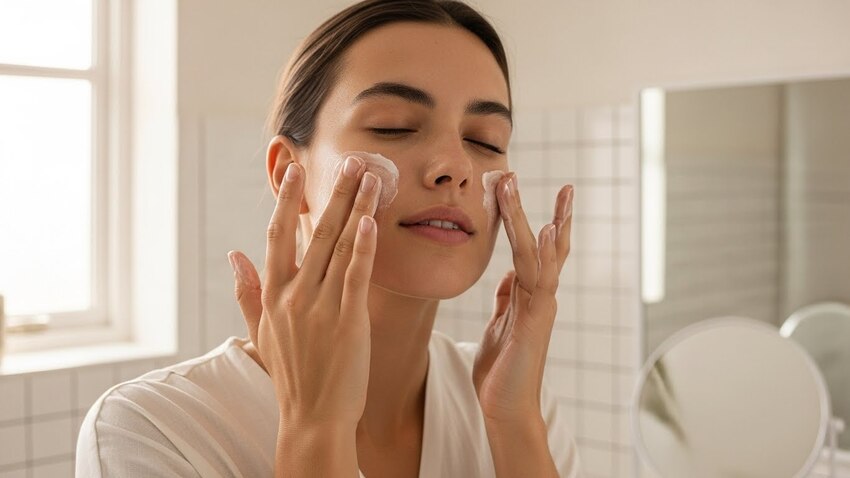
The American Academy of Dermatology recommends applying new products to a quarter-sized spot on your skin twice daily for 7-10 days. Choose an inconspicuous area like your inner forearm or elbow bend where the product won’t be washed away. If no reaction occurs during this period, the product is likely safe for regular use. Remember that certain ingredients like retinol may cause temporary irritation even without an allergic reaction.
Avoid jar packaging and light exposure
Natural products, especially those without synthetic preservatives, degrade faster when exposed to air, light, and heat. Store items in cool, dry places away from bathrooms where temperature fluctuates. Choose products in opaque containers or dark glass bottles that minimize light exposure. Use clean hands or spatulas when applying products from jars to prevent bacterial contamination.
Combine natural with clinically proven ingredients
Pure doesn’t have to mean ineffective. Look for formulations that combine natural ingredients (over 99% natural) with clinically validated actives like hyaluronic acid, vitamin C, or bio-retinol. This approach offers both safety and efficacy without compromising on results. Companies embracing this philosophy often have their products independently certified and clinically tested.
Consult a dermatologist for persistent issues
If you experience ongoing skin irritation or severe reactions that don’t improve with cool compresses or petroleum jelly, seek professional help. A dermatologist can perform patch testing to identify specific allergens causing your irritation. This targeted approach eliminates guesswork and helps create a truly personalized natural skincare routine.
Conclusion
Natural skincare certainly offer benefits, but their potential drawbacks deserve equal attention. Throughout this guide, we’ve seen how the unregulated natural label can mislead consumers and potentially harm their skin. After all, poison ivy is completely natural yet nobody would recommend it for skincare.
The stark reality shows that most natural ingredients haven’t undergone thorough clinical testing, despite the $8 billion industry built around them. Meanwhile, consumers navigate confusing terminology like “natural,” “organic,” and “clean” without standardized definitions to guide them.
Popular natural ingredients such as essential oils, witch hazel, and citrus extracts can trigger irritation, barrier damage, and even photosensitivity for many users. Additionally, different skin types respond uniquely to these ingredients what works wonderfully for one person might cause significant problems for another.
Safety must become your priority when choosing skincare products. Rather than focusing exclusively on natural versus synthetic, consider your specific skin needs first. Patch testing new products, checking ingredient concentrations, avoiding improper packaging, and combining natural ingredients with clinically proven actives creates a balanced approach.
Remember that effectiveness and safety don’t always correlate with how natural a product claims to be. Undoubtedly, many excellent natural ingredients exist, but they must be formulated properly, preserved adequately, and matched to your skin type. When irritation persists despite your best efforts, a dermatologist can provide personalized guidance tailored to your unique skin concerns.
The truth remains that our skin deserves products that work safely regardless of whether they come from a lab or a garden. Your goal should be finding what works for your skin specifically, not chasing marketing claims about naturalness that might ultimately do more harm than good.
Key Takeaways
Natural skincare isn’t automatically safer understanding the science behind ingredients and your skin type is crucial for avoiding potential harm while achieving healthy skin.
• “Natural” has no FDA regulation, allowing brands to use misleading marketing while 80% of natural ingredients lack clinical safety testing
• Common natural ingredients like essential oils, witch hazel, and citrus extracts can cause irritation, barrier damage, and sun sensitivity
• Different skin types react uniquely to natural products what soothes dry skin might clog oily skin or trigger sensitive skin reactions
• Always patch test new products for 7-10 days and check ingredient concentrations before incorporating them into your routine
• Combine natural ingredients with clinically proven actives for optimal safety and effectiveness, consulting dermatologists for persistent issues
The key is prioritizing what works safely for your specific skin needs rather than chasing natural marketing claims that may ultimately cause more problems than they solve.
FAQs
Q1. Are natural skincare products always safer than synthetic ones? No, natural skincare products are not always safer. Many natural ingredients can cause skin irritation, allergic reactions, or other adverse effects. The safety of a product depends on its formulation, concentration of ingredients, and how it interacts with your specific skin type.
Q2. What should I look for when choosing natural skincare products? When selecting natural skincare products, check ingredient concentrations, look for products in proper packaging that protects from light and air, and consider combining natural ingredients with clinically proven actives. Always patch test new products before full application.
Q3. Can essential oils in skincare cause skin problems? Yes, essential oils can cause skin problems for some people. They are among the most common causes of allergic contact dermatitis. Oils like tea tree, ylang-ylang, and lemongrass can trigger skin reactions, especially when used undiluted.
Q4. How does skin type affect the use of natural skincare products? Skin type significantly influences how natural products interact with your skin. For example, heavy botanical oils might clog pores in oily skin, while natural astringents could over-dry already dry skin. It’s important to choose products that suit your specific skin type and concerns.
Q5. When should I consult a dermatologist about my skincare routine? You should consult a dermatologist if you experience persistent skin irritation or severe reactions that don’t improve with home care. A dermatologist can perform patch testing to identify specific allergens and help create a personalized skincare routine that’s both natural and safe for your skin.