
3 Skincare products you should never use in the sun, temperatures rise, adjusting your summer skincare routine becomes essential. Many people focus on sunscreen but overlook a critical issue: certain skincare ingredients can increase sun sensitivity and trigger dark spots, irritation, and long-term hyperpigmentation. If you’ve ever noticed unexpected pigmentation after a beach trip or pool day, your skincare products may be the hidden cause. In this complete guide, you’ll learn:
- Which products cause dark spots in summer
- Why some ingredients increase photosensitivity
- How to prevent sun damage and hyperpigmentation
- How to build a safe summer skincare routine
Why Summer Increases the Risk of Hyperpigmentation
According to the American Academy of Dermatology, daily use of broad-spectrum sunscreen with SPF 30 or higher is essential to reduce the risk of sun damage, premature aging, and hyperpigmentation caused by ultraviolet exposure. During summer, ultraviolet radiation is stronger and more prolonged. This increases the risk of:
- Sunburn
- Inflammation
- Uneven skin tone
- Post-inflammatory hyperpigmentation
- Melasma flare-ups
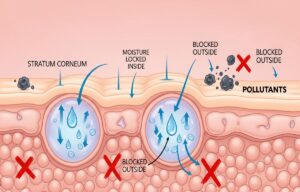
When the skin is exposed to UV rays, it produces melanin as a defense mechanism. However, if the skin barrier is compromised especially by exfoliating or sensitizing ingredients melanin production can become uneven, leading to dark spots.
This is why understanding skincare and sun exposure is crucial during warmer months.
1. Exfoliating Acids and Retinoids (Major Cause of Summer Dark Spots)
One of the most common triggers of sun sensitivity is the use of exfoliating acids and retinoids.
These ingredients are highly effective for:
- Acne treatment
- Fine lines and wrinkles
- Skin texture improvement
- Brightening dull skin
However, they significantly increase photosensitivity.
How Exfoliating Acids Affect the Skin Barrier
Exfoliating acids work by accelerating cell turnover and removing the outermost layer of dead skin cells. While this improves skin clarity, it also:
- Thins the protective barrier
- Increases UV penetration
- Reduces natural defense against sunlight
Common photosensitizing ingredients include:
- Retinoic acid
- Retinol
- Glycolic acid
- Lactic acid
- Salicylic acid
Retinoids are especially known for increasing sun sensitivity and raising the risk of hyperpigmentation if proper protection is not used.
What Happens If You Use Acids in the Sun?
Using exfoliating acids during heavy sun exposure can lead to:
- Brown patches
- Skin irritation
- Peeling
- Redness
- Contact dermatitis
- Persistent dark spots
In some cases, pigmentation may take months to fade.
This is one of the main causes of summer skin damage.
How to Use Acids Safely in Summer
You do not necessarily need to stop all active ingredients, but adjustments are essential.
Dermatologist-Recommended Tips:
- Apply acids only at night
- Use broad-spectrum SPF 50+ daily
- Reapply sunscreen every 2–3 hours
- Avoid prolonged sun exposure
- Wear protective hats and sunglasses
If you’re planning intense sun exposure, consider pausing strong exfoliating treatments 3–4 weeks in advance (after consulting a professional).
Protecting the skin barrier in summer is key.
2. Citrus Ingredients and DIY Skincare (Hidden Trigger of Dark Spots)

Many people turn to natural remedies for skincare. However, citrus-based treatments are among the most dangerous when combined with sunlight.
If you’re searching for how to prevent dark spots in summer, avoiding citrus on the skin is critical.
Why Citrus Causes Phytophotodermatitis
Citrus fruits contain compounds called furocoumarins. When these compounds are exposed to ultraviolet radiation, they can cause a skin reaction known as phytophotodermatitis. This reaction may result in:
- Severe pigmentation
- Burning sensation
- Blisters
- Long-lasting stains
- Uneven skin tone
Even accidental contact like squeezing lemon outdoors can trigger this reaction.
Common Situations That Increase Risk
- Applying lemon juice to lighten skin
- Using citrus-based scrubs before sun exposure
- Not washing hands after handling citrus fruits
- Applying essential oils containing citrus
Many cases of unexplained hyperpigmentation in summer are linked to citrus exposure.
How to Prevent Citrus-Induced Pigmentation
- Avoid DIY lemon treatments completely
- Wash skin thoroughly after contact
- Avoid essential oils with citrus before sun exposure
- Never apply natural fruit masks before going outdoors
Natural skincare does not automatically mean safe skincare especially in the sun.
3. Perfumes and Fragrance on Sun-Exposed Skin
Applying perfume directly to the skin may increase the risk of sun-induced hyperpigmentation.
Fragrances often contain:
- Alcohol
- Essential oils
- Citrus extracts
- Photosensitizing compounds
When exposed to UV rays, these substances can cause:
- Brown patches
- Uneven pigmentation
- Skin irritation
- Long-term discoloration
The neck and chest are common areas affected due to frequent sun exposure.
How to Wear Fragrance Safely in Summer
- Apply perfume to clothing instead of skin
- Avoid fragrance before beach days
- Choose alcohol-free formulas
- Use fragrance-free skincare products
Reducing unnecessary irritation is essential for maintaining even skin tone.
Additional Factors That Increase Summer Hyperpigmentation
Understanding all triggers of summer skin damage helps you prevent long-term issues.
1. Inadequate Sunscreen Use
One of the biggest mistakes in a summer skincare routine is improper sunscreen application. Common errors include:
- Using too little product
- Skipping reapplication
- Ignoring neck and hands
- Using low SPF
For effective protection:
- Use SPF 50+
- Apply two finger-lengths for the face
- Reapply every 2–3 hours
- Use water-resistant formulas when swimming
Sunscreen is the foundation of dark spot prevention.
2. Heat and Inflammation
Heat alone can worsen:
- Melasma
- Acne
- Rosacea
- Post-inflammatory hyperpigmentation
Inflammation stimulates melanin production, leading to stubborn dark patches.
3. Overusing Active Ingredients
Combining multiple actives (retinoids, exfoliating acids, vitamin C) may weaken the skin barrier and increase sun sensitivity.
In summer, simplicity is often better.
Read also this relevant article: Mature skin: characteristics, mature skin care, and complete anti-aging skincare routine in 2025
How to Build a Safe Summer Skincare Routine

An effective summer skincare routine should focus on:
- Sun protection
- Hydration
- Barrier repair
- Minimal irritation
Morning Routine
- Gentle cleanser
- Antioxidant serum
- Lightweight moisturizer
- Broad-spectrum SPF 50+ sunscreen
Night Routine
- Gentle cleanser
- Hydrating serum
- Barrier-repair moisturizer
- Mild active ingredients (if approved)
Avoid aggressive exfoliation during periods of intense sun exposure.
Who Is Most Prone to Dark Spots in Summer?
Certain individuals are more vulnerable to hyperpigmentation:
- People with melasma
- Acne-prone skin
- Medium to darker skin tones
- Individuals using retinoids
- Those recovering from chemical treatments
If you are in these categories, extra caution with sun protection is essential.
When to Seek Professional Advice
Consult a professional if you notice:
- Persistent dark patches
- Burning sensation after product use
- Severe redness
- Blisters
- Pigmentation that does not fade
Early intervention prevents long-term skin damage.
Final Thoughts: Prevention Is Easier Than Treatment
Treating hyperpigmentation can take months. Preventing dark spots in summer requires awareness and smart skincare choices. Before applying any product, ask:
- Does this increase photosensitivity?
- Will I be exposed to sunlight?
- Am I using enough sunscreen?
Protecting your skin barrier, avoiding photosensitizing ingredients, and maintaining consistent sun protection are the pillars of healthy summer skin. A well-adjusted summer skincare routine allows you to enjoy the sun without risking long-term pigmentation or damage. Your skin’s health depends not just on what you apply but on when and how you use it.
Frequently Asked Questions About Summer Skincare
1. Can retinol cause dark spots in summer?
Yes. Retinol increases photosensitivity, making the skin more vulnerable to UV rays. Without proper SPF 50 sunscreen, it may lead to hyperpigmentation and sun damage.
2. Why do I get dark spots after being in the sun?
Dark spots in summer occur due to increased melanin production triggered by UV exposure. If your skin barrier is weakened by exfoliating acids or irritation, the risk increases.
3. Can perfume cause hyperpigmentation?
Yes. Some fragrances contain photosensitizing compounds that react with sunlight, leading to brown patches and uneven skin tone.
4. Should I stop using exfoliating acids in summer?
Not necessarily. You can continue using mild acids at night, but you must apply broad-spectrum SPF 50 sunscreen daily and avoid prolonged sun exposure.
5. How can I prevent dark spots in summer?
To prevent dark spots:
- Use SPF 50+ daily
- Avoid photosensitizing ingredients
- Reapply sunscreen every 2–3 hours
- Protect your skin barrier
- Minimize direct sun exposure