Introduction
Every day without proper sun protection accelerates your skin’s aging clock. According to the Skin Cancer Foundation’s 2025 data, up to 90% of visible skin aging stems from sun exposure not genetics. Yet despite growing awareness, only 33% of Americans apply sunscreen daily, even during summer months.
The sunscreen landscape has evolved dramatically. With new formulations, emerging safety concerns, controversial “clean beauty” claims, and confusing ingredient lists, choosing the right sun protection feels overwhelming. Add ongoing debates about chemical versus mineral filters, reef safety, and recently exposed “sunscreen doping” practices, and it’s no wonder many people give up and grab whatever’s cheapest at the drugstore.
This comprehensive, dermatologist-backed guide cuts through the confusion. You’ll discover how to evaluate SPF ratings, decode UVA protection levels, identify truly safe formulations, spot deceptive marketing tactics, and build a personalized sun protection strategy that actually fits your lifestyle. Whether you’re protecting aging skin, managing acne, planning beach vacations, or simply want to prevent premature wrinkles and skin cancer, this guide delivers evidence-based answers.
Understanding SPF: More Than Just a Number
What SPF Really Measures (And What It Doesn’t)
SPF stands for Sun Protection Factor, but this number only tells half the story. It specifically measures protection against UVB radiation the wavelengths responsible for sunburn and direct DNA damage that leads to skin cancer.
Here’s how SPF values translate to protection:
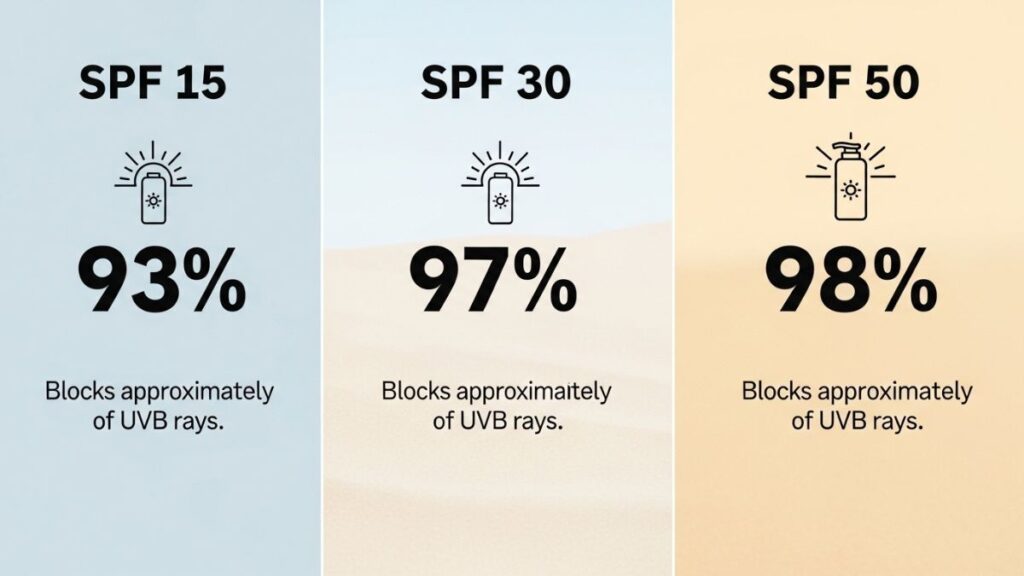
- SPF 15: Blocks approximately 93% of UVB rays
- SPF 30: Blocks approximately 97% of UVB rays
- SPF 50: Blocks approximately 98% of UVB rays
- SPF 100: Blocks approximately 99% of UVB rays
Notice the diminishing returns? The jump from SPF 15 to 30 provides meaningful improvement (93% to 97%), but SPF 50 to 100 only adds one percentage point. The American Academy of Dermatology recommends SPF 30 as the minimum effective level for daily use.
Critical limitation: These percentages assume you apply the FDA-tested amount—approximately 2mg per square centimeter of skin. Real-world studies reveal most people apply only 25-50% of this amount, effectively reducing SPF 50 to SPF 15-25 in practice.
The SPF time myth: You may have heard “SPF 30 means you can stay in the sun 30 times longer without burning.” This oversimplification ignores crucial variables like:
- UV intensity (varies by time of day, season, latitude, altitude)
- Sunscreen degradation from heat, sweat, and UV exposure itself
- Application thickness and coverage gaps
- Individual skin sensitivity and burn time
Bottom line: Don’t chase SPF numbers above 50. Instead, focus on proper application technique and consistent reapplication every two hours.
The UVA Problem: Why SPF Alone Isn’t Enough
While SPF measures UVB protection, UVA rays present an equally serious threat that standard SPF ratings completely ignore.
UVA versus UVB: Understanding the difference
| Factor | UVA Rays | UVB Rays |
|---|---|---|
| Wavelength | 320-400 nm (longer) | 290-320 nm (shorter) |
| Penetration depth | Deep (dermis layer) | Shallow (epidermis) |
| Immediate effect | Tanning, minimal burning | Burning, redness |
| Long-term damage | Wrinkles, sagging, age spots | DNA damage, skin cancer |
| Glass penetration | Yes (windows don’t block) | No (blocked by glass) |
| Seasonal variation | Consistent year-round | Higher in summer |
Why UVA deserves equal attention:
UVA radiation penetrates deeper into skin, reaching the dermis where collagen and elastin reside. This deep penetration causes:
- Breakdown of collagen and elastin fibers (wrinkles and sagging)
- Formation of irregular pigmentation (age spots, melasma)
- Accumulation of oxidative damage (cellular aging)
- Contribution to skin cancer development (though less directly than UVB)
Broad spectrum protection: This FDA-regulated term indicates a sunscreen passes testing for both UVA and UVB protection. However, the UVA protection threshold is relatively low a product can be labeled “broad spectrum” with minimal UVA coverage.
Decoding PA Ratings: The Asian UVA Standard
Developed in Japan and widely used across Asia, the PA (Protection Grade of UVA) system provides specific UVA protection measurements that American labeling doesn’t require.
PA rating breakdown:
- PA+: UVA-PF 2-4 (blocks 50-75% of UVA rays)
- PA++: UVA-PF 4-8 (blocks 75-88% of UVA rays)
- PA+++: UVA-PF 8-16 (blocks 88-94% of UVA rays)
- PA++++: UVA-PF 16+ (blocks 94%+ of UVA rays)
What is UVA-PF?: Similar to SPF for UVB, UVA-PF (Protection Factor) measures how much UVA exposure is needed to cause persistent pigment darkening (tanning) on protected versus unprotected skin.
Why this matters for anti-aging: If preventing wrinkles, sunspots, and photoaging is your priority, seek PA++++ rated sunscreens. Many excellent Asian and European formulations display both SPF and PA ratings, giving you complete protection information.
Finding PA-rated sunscreens: While not required in the US, many K-beauty (Korean) and J-beauty (Japanese) brands include PA ratings on their packaging. Products from La Roche-Posay, Bioderma, and other European brands often indicate PPD (Persistent Pigment Darkening) values, which serve a similar function.
Also read: Moisturizers explained on 15 powerful benefits & best bypes for every skin
Water Resistance: What the Claims Actually Mean
Planning beach days, pool time, or intense workouts? Water resistance becomes crucial but FDA regulations strictly limit what manufacturers can claim.
Only two legal water resistance claims exist:
- 40 minutes water resistant: Maintains SPF protection for 40 minutes of water immersion or heavy sweating
- 80 minutes water resistant: Maintains SPF protection for 80 minutes under the same conditions
Banned terms: “Waterproof,” “sweatproof,” and “sunblock” are no longer permitted on sunscreen labels because they’re misleading. No sunscreen is truly waterproof all require reapplication after water exposure.
Critical reapplication rules:
- Reapply immediately after swimming or towel drying, regardless of water resistance claims
- Reapply after heavy sweating (sports, outdoor work, hot weather)
- Don’t exceed the 40 or 80-minute window even if you haven’t toweled off
- Apply generously before swimming—water resistance only works if you applied enough initially
Sport and outdoor activity: For activities like surfing, paddleboarding, kayaking, marathon running, or beach volleyball, choose 80-minute water-resistant formulas and set phone reminders for reapplication.
The Three Types of Sunscreen: Chemical, Mineral, and Hybrid
Chemical Sunscreens: How They Work and Current Concerns
Chemical sunscreens, also called organic filters, function through absorption rather than reflection.
Common active ingredients:
- Avobenzone (UVA protection)
- Octisalate (UVB protection)
- Octocrylene (UVB protection, photostabilizer)
- Homosalate (UVB protection)
- Octinoxate/Octyl methoxycinnamate (UVB protection)
- Oxybenzone (broad spectrum)
Mechanism of action: These molecules absorb UV radiation and convert it to heat energy, which then dissipates from the skin. The process happens at the molecular level UV photons excite electrons in the chemical structure, and when electrons return to ground state, they release energy as heat.
Advantages of chemical sunscreens:
- Cosmetically elegant: Lightweight texture, invisible finish
- No white cast: Blend seamlessly into all skin tones
- Easy application: Spread smoothly without streaking
- Makeup compatible: Work well under cosmetics
- Water resistant formulations: Often more durable in water
The absorption concern: A landmark 2019 JAMA study revealed that common chemical UV filters absorb into the bloodstream at levels exceeding FDA safety thresholds. The study found:
- Avobenzone reached 4.3 ng/mL (FDA threshold: 0.5 ng/mL)
- Oxybenzone reached 209.6 ng/mL
- Octocrylene reached 2.9 ng/mL
- All ingredients were detected in blood after a single application
What this means: The FDA has requested additional safety data from manufacturers but has NOT concluded these ingredients are unsafe. The presence of ingredients in bloodstream doesn’t automatically indicate harm—the question is whether systemic exposure at these levels causes adverse effects.
Endocrine disruption research: Animal studies suggest certain chemical filters may interfere with hormone systems:
- Oxybenzone: Shows estrogenic activity in animal models; some human studies link high urinary levels to altered thyroid function and reproductive hormones
- Octinoxate: Demonstrates estrogenic effects in laboratory studies
- Octocrylene: Accumulates in blood, urine, and breast milk; animal studies show potential neurotoxicity
Human evidence remains limited: While animal research raises flags, human studies haven’t definitively proven these ingredients cause hormonal disruption at typical use levels. A 2021 International Journal of Dermatology review concluded that current evidence doesn’t support avoiding chemical sunscreens, but acknowledges more research is needed.
Environmental impact: Chemical filters, particularly oxybenzone and octinoxate, are detected in ocean waters and coral reef ecosystems. Laboratory and field studies link these chemicals to:
- Coral bleaching (even at very low concentrations)
- Disruption of coral reproduction
- DNA damage in marine organisms
- Bioaccumulation in fish and marine mammals
Hawaii, Palau, the U.S. Virgin Islands, and Key West have banned sunscreens containing oxybenzone and octinoxate to protect coral reefs.
The balanced perspective: Chemical sunscreens remain FDA-approved and effective. For most people, the established benefits of sun protection outweigh theoretical risks from ingredient absorption. However, certain populations may prefer extra caution.
Mineral Sunscreens: Physical Barriers with Proven Safety
Mineral sunscreens, also called physical or inorganic filters, create a protective barrier on skin’s surface.
Active ingredients (only two):
- Zinc oxide: Provides true broad-spectrum protection (UVA and UVB)
- Titanium dioxide: Primarily protects against UVB; less effective for UVA
Mechanism of action: These mineral particles sit atop skin and both scatter/reflect AND absorb UV radiation. Contrary to popular belief, they don’t work solely through reflection absorption is a significant component of their protection, though they absorb less than chemical filters.
Particle size matters: Modern mineral sunscreens use various particle sizes:
- Micronized/nano particles: Smaller particles (1-100 nanometers) provide better cosmetic elegance with less white cast but raise absorption concerns
- Non-nano particles: Larger particles (>100 nanometers) stay on skin surface but may leave visible white cast
Research indicates that even nano-sized zinc oxide and titanium dioxide don’t penetrate healthy skin to reach bloodstream, though damaged or compromised skin barriers warrant caution.
Advantages of mineral sunscreens:
- FDA GRASE status: “Generally Recognized As Safe and Effective”—the only UV filters with this designation
- No systemic absorption: Don’t enter bloodstream through intact skin
- Photostable: Don’t degrade in sunlight like some chemical filters
- Immediate protection: Work as soon as applied (chemical sunscreens need 15-20 minutes)
- Less irritating: Better for sensitive skin, rosacea, eczema
- Anti-inflammatory: Zinc oxide offers inherent soothing properties
- Pregnancy and pediatric safe: Recommended for pregnant women and children
- Reef safe: Don’t harm marine ecosystems
Disadvantages of mineral sunscreens:
- White cast: Especially problematic for medium to deep skin tones
- Thicker texture: Can feel heavy or greasy
- Difficult application: May pill or leave streaks
- Less water resistant: Often washes off more easily than chemical formulas
Who should choose mineral sunscreens:
- Pregnant or nursing women
- Infants and young children (AAD recommends mineral for under 6 months)
- Individuals with sensitive skin, rosacea, or eczema
- Those with concerns about hormone disruption
- Environmentally conscious consumers, especially for ocean activities
- Anyone preferring maximum safety data and FDA endorsement
Combination/Hybrid Sunscreens: Best of Both Worlds?
Hybrid formulations combine mineral and chemical filters to balance cosmetic elegance with broad-spectrum protection.
Common combinations:
- Zinc oxide + Avobenzone (broad UVA/UVB)
- Titanium dioxide + Octinoxate (enhanced UVB)
- Zinc oxide + Octisalate (balanced protection)
Potential benefits:
- Better cosmetic feel than pure mineral
- Enhanced photostability
- Broader spectrum coverage
- Lower concentrations of individual filters
Drawbacks:
- Still contain chemical filters with associated concerns
- Not suitable for those avoiding all chemical ingredients
- May not be truly “reef safe” despite mineral presence
The Sunscreen Doping Scandal: What You Need to Know
Recent investigations have exposed a controversial practice in the sunscreen industry: adding unregulated chemical UV filters to products marketed as “100% mineral.”
What is sunscreen doping?
Manufacturers are incorporating chemical compounds that function similarly to FDA-regulated UV filters but don’t appear on the active ingredient list because they’re not officially classified as sunscreen ingredients in the United States. This allows brands to:
- Market products as “100% mineral” while including chemical filters
- Use lower concentrations of zinc/titanium (better texture, less white cast)
- Avoid disclosure requirements that apply to regulated ingredients
- Potentially use these chemicals at higher concentrations than FDA permits for similar regulated ingredients
Common “doping” ingredients to watch for:
| Unregulated Chemical | Similar Regulated Ingredient | Typical Function |
|---|---|---|
| Butyloctyl salicylate | Octisalate (FDA limit: 5%) | UVB absorption |
| Ethyl ferulate | Octocrylene | UVB absorption, antioxidant |
| Diethylhexyl syringylidenemalonate | Octinoxate | UVA/UVB absorption |
| Tridecyl salicylate | Octisalate | UVB absorption |
Why this is problematic:
Lack of safety data: These ingredients haven’t undergone the same rigorous testing required for active sunscreen ingredients.
Unknown concentration limits: Unlike regulated chemical filters with FDA-mandated maximum percentages, these compounds can be used at any amount.
Deceptive marketing: Consumers trying to avoid chemical sunscreens are unknowingly using them.
Regulatory loophole: These ingredients are approved as “cosmetic ingredients” but not evaluated as UV filters specifically.
How to identify doped sunscreens:
- Check the full ingredient list (not just active ingredients)
- Look for the chemicals listed above
- Be skeptical of “100% mineral” claims on products with unusually elegant texture
- Research brands’ transparency and ingredient disclosure practices
- Choose products that list only zinc oxide and/or titanium dioxide as UV-protecting ingredients
The industry defense: Some manufacturers argue these ingredients are multifunctional (antioxidants, emollients) and provide additional benefits beyond UV filtering. Critics counter that if they’re contributing to SPF, they should be regulated and disclosed as active ingredients.
Regulatory response: As of 2026, the FDA has not taken enforcement action against this practice, though consumer advocacy groups are pushing for clearer labeling requirements.
Natural, Organic, Reef-Safe, and Clean: Decoding Marketing Claims
“Natural” and “Organic” Sunscreen: What These Terms Really Mean
Walk down the sunscreen aisle and you’ll see products plastered with “natural,” “organic,” and “clean” labels. These terms sound reassuring but lack standardized definitions in sunscreen regulation.
“Natural” sunscreen claims:
- Usually refers to mineral-based formulas (zinc oxide, titanium dioxide from mineral sources)
- May indicate plant-based inactive ingredients
- No FDA or regulatory definition—purely marketing
- Natural doesn’t automatically mean safer or more effective
“Organic” chemistry versus organic farming:
In chemistry, “organic” means carbon-based molecules—which includes ALL chemical sunscreen filters. The term doesn’t mean “chemical-free” or “natural.”
When referring to organic farming standards (USDA Organic), very few sunscreens qualify because:
- Zinc oxide and titanium dioxide are minerals (inorganic by definition)
- Preservatives and stabilizers typically aren’t organically sourced
- Strict organic certification is rare in sunscreen category
“Non-toxic” and “clean” beauty claims:
These unregulated marketing terms suggest safety without scientific backing. Problems with these labels:
- No standardized definition of what makes a product “clean”
- Implies conventional products are “toxic” (misleading fear-mongering)
- Often based on ingredient blacklists rather than dose-dependent safety data
- May exclude effective, well-researched ingredients based on outdated concerns
The evidence-based approach: Rather than relying on marketing buzzwords, evaluate sunscreens based on:
- Active ingredient safety data
- FDA approval status (GRASE designation)
- Clinical testing and efficacy
- Reputable third-party certifications (EWG, NSF)
- Transparency of full ingredient disclosure
Reef-Safe Sunscreens: Protecting Marine Ecosystems
The term “reef-safe” emerged from growing evidence that certain sunscreen ingredients harm coral reefs and marine life.
Why reef-safe matters:
Studies estimate 4,000-6,000 tons of sunscreen wash into coral reef areas annually. Even small concentrations of certain chemicals can:
- Trigger coral bleaching (loss of symbiotic algae)
- Damage coral DNA and reproductive systems
- Accumulate in coral tissue
- Disrupt marine ecosystems
Primary harmful ingredients:
Oxybenzone (Benzophenone-3): The most extensively studied reef-toxic ingredient. Research shows it causes coral bleaching at concentrations as low as 62 parts per trillion—equivalent to one drop in 6.5 Olympic swimming pools.
Octinoxate (Octyl methoxycinnamate): Also linked to coral bleaching and viral infections in coral reefs.
Additional concerns: Octocrylene, homosalate, and certain preservatives (parabens) may also contribute to reef damage, though evidence is less conclusive.
Truly reef-safe options:
- Mineral sunscreens with zinc oxide and/or titanium dioxide as only active ingredients
- Products free from oxybenzone, octinoxate, octocrylene, and homosalate
- Non-nano mineral particles (some evidence suggests nano-particles may still impact reefs, though less than chemical filters)
Geographic restrictions:
- Hawaii: Banned oxybenzone and octinoxate (effective 2021)
- U.S. Virgin Islands: Similar ban implemented
- Key West, Florida: Banned same ingredients
- Palau: Prohibited 10 reef-toxic chemicals (most comprehensive ban)
- Aruba, Bonaire: Partial restrictions
Greenwashing alert: Some products labeled “reef-safe” still contain harmful ingredients or lack third-party verification. Always check full ingredient lists.
Best practices for ocean swimming:
- Choose mineral-only sunscreens
- Apply 15-30 minutes before entering water (allows absorption/adherence)
- Consider sun-protective clothing (UPF 50+) to reduce sunscreen needs
- Seek shade during peak UV hours (10am-4pm)
EWG Verified Sunscreens: Independent Safety Ratings
The Environmental Working Group (EWG) provides independent sunscreen ratings based on safety and efficacy research.
EWG’s evaluation criteria:
- Ingredient safety (toxicity, hormone disruption, allergic potential)
- UVA protection adequacy
- SPF accuracy and transparency
- Misleading marketing claims
- Product stability and photodegradation
EWG Verified badge requirements:
Products must meet strict standards:
- Cannot be sprays or powders (inhalation risk)
- SPF between 15-50 (higher values provide minimal additional benefit)
- Adequate UVA protection demonstrated
- No misleading claims (“sunblock,” “waterproof,” “all-day protection”)
- Full ingredient transparency
- Free from EWG’s ingredients of concern
Criticisms of EWG approach:
- Some scientists argue EWG applies overly cautious standards
- Ingredient concerns sometimes based on high-dose animal studies not relevant to human use
- May create unnecessary fear about approved, well-studied ingredients
- Not a regulatory body—recommendations are guidance, not requirements
How to use EWG ratings:
Visit EWG’s Sunscreen Guide (updated annually) to:
- Search specific products by name
- Browse by category (face, body, sport, kids)
- View detailed ingredient breakdowns
- Understand specific concerns for each product
Balanced perspective: EWG provides valuable consumer information, but their ratings represent one perspective. Consider EWG data alongside FDA approval, dermatologist recommendations, and peer-reviewed research.
How to Choose the Perfect Sunscreen for Your Unique Needs
The “best” sunscreen varies dramatically based on your skin type, concerns, activities, and preferences.
Sunscreen Selection by Skin Type
Oily and acne-prone skin:
- Best formulation: Lightweight gels, gel-creams, or water-based lotions
- Preferred filters: Chemical sunscreens tend to be less pore-clogging
- Look for: Non-comedogenic labeling, oil-free, matte finish
- Ingredients that help: Niacinamide (controls oil), salicylic acid (prevents breakouts)
- Avoid: Heavy creams, coconut oil, cocoa butter, excessive emollients
Recommended products:
- La Roche-Posay Anthelios Clear Skin Oil-Free SPF 60
- EltaMD UV Clear Broad-Spectrum SPF 46
- CeraVe Ultra-Light Moisturizing Lotion SPF 30
- Neutrogena Clear Face Liquid-Lotion SPF 55
Dry and mature skin:
- Best formulation: Creams, lotions with hydrating ingredients
- Preferred filters: Either chemical or mineral works; focus on moisturizing base
- Look for: Hyaluronic acid, ceramides, glycerin, antioxidants
- Ingredients that help: Vitamin C (brightening), vitamin E (nourishment), peptides (anti-aging)
- Avoid: Alcohol-heavy formulas, harsh astringents
Recommended products:
- Supergoop! Daily Dose Vitamin C + SPF 40 Serum
- ISDIN Eryfotona Ageless Ultralight Emulsion SPF 50
- Neutrogena Hydro Boost Water Gel Lotion SPF 50
- Drunk Elephant Umbra Sheer Physical Daily Defense SPF 30
Sensitive and reactive skin:
- Best formulation: Mineral sunscreens with minimal ingredients
- Preferred filters: Zinc oxide and/or titanium dioxide only
- Look for: Fragrance-free, hypoallergenic, dermatologist-tested
- Ingredients that help: Colloidal oatmeal (soothing), allantoin (calming)
- Avoid: Chemical filters, fragrances, essential oils, alcohol, preservatives like methylisothiazolinone
Recommended products:
- Vanicream Facial Moisturizer Broad Spectrum SPF 30
- Blue Lizard Sensitive Mineral Sunscreen SPF 50+
- CeraVe Hydrating Mineral Sunscreen SPF 30
- Elta MD UV Physical Broad-Spectrum SPF 41
Combination skin:
- Best formulation: Lightweight lotions that balance hydration without greasiness
- Preferred filters: Either type; prioritize comfortable texture
- Look for: Multi-tasking formulas with niacinamide, antioxidants
- Strategy: May need different products for T-zone versus cheeks
Recommended products:
- Paula’s Choice RESIST Super-Light Wrinkle Defense SPF 30
- Kinship Self Reflect Probiotic Moisturizing Sunscreen Zinc Oxide SPF 32
- Dermalogica Invisible Physical Defense SPF 30
Sunscreen Selection by Skin Tone
Light to fair skin:
- Most susceptible to burning; requires consistent high SPF (50+)
- White cast from mineral sunscreens typically not noticeable
- Both chemical and mineral formulas work cosmetically
- Extra attention to lips (prone to sun damage and skin cancer)
Medium skin tones:
- Balance between burn and tan response
- May notice slight white cast from some mineral formulas
- Tinted mineral sunscreens work beautifully
- Chemical sunscreens disappear seamlessly
Deep to dark skin:
- Still needs sun protection (prevents hyperpigmentation, melasma, skin cancer)
- White cast from traditional mineral sunscreens is problematic
- Best options: Chemical sunscreens, micronized mineral formulas, deeply tinted mineral sunscreens
- Prioritize products specifically developed for deeper tones
Recommended products for deeper skin tones:
- Black Girl Sunscreen SPF 30
- Unsun Mineral Tinted Face Sunscreen SPF 30
- Vacation Classic Lotion SPF 30 (chemical, invisible)
- MDSolarSciences Mineral Tinted Crème SPF 30 (deeper shades)
Sunscreen Selection by Specific Concerns
Anti-aging and wrinkle prevention:
- Prioritize high UVA protection (PA++++, high PPD)
- Look for antioxidants: Vitamin C, vitamin E, niacinamide, resveratrol, green tea
- Consider formulas with peptides or retinol alternatives
- Apply to face, neck, chest, and hands (high-exposure areas)
Hyperpigmentation and melasma:
- Crucial for preventing dark spot worsening
- Choose mineral sunscreens (physical barrier) or high-PPD chemical formulas
- Ingredients that help: Niacinamide, tranexamic acid, vitamin C
- Apply even indoors (UVA penetrates windows)
- Reapply diligently
Acne and breakout-prone:
- Non-comedogenic is essential
- Gel or serum textures preferred
- Ingredients that help: Salicylic acid, niacinamide, zinc
- Avoid: Oils, heavy emollients, coconut derivatives, isopropyl palmitate
Rosacea and facial redness:
- Mineral-only sunscreens (zinc oxide anti-inflammatory properties)
- Fragrance-free, minimal ingredients
- Avoid: Chemical filters (can trigger flushing), alcohol, essential oils
- Green-tinted formulas can neutralize redness
Eczema and atopic dermatitis:
- Mineral sunscreens preferred
- Look for ceramides, colloidal oatmeal, niacinamide
- Fragrance-free, preservative-minimal
- Patch test new products
- Apply to well-moisturized skin
Pregnancy and nursing:
- Mineral sunscreens recommended (no systemic absorption)
- Avoid chemical filters due to limited human safety data during pregnancy
- Check with OB-GYN about specific concerns
- Essential for preventing pregnancy-related melasma
Expert-Recommended Sunscreens for 2026
Based on formulation quality, safety profiles, efficacy, and cosmetic elegance:
Best Mineral Sunscreens
Face:
DermaQuest SheerZinc SPF 30 – Available in nude and multiple tinted shades; uses 20% zinc oxide; silicone-based for smooth application; water-resistant 40 minutes
- Best for: All skin types, those wanting tinted option
Kinship Self Reflect Probiotic Moisturizing Sunscreen SPF 32 – Silicone-free formula with dewy finish; 22.3% zinc oxide; includes probiotics and turmeric
- Best for: Dry skin, natural glow seekers
Vanicream Facial Moisturizer SPF 30 – 19% zinc oxide; ultra-minimal ingredients; fragrance and dye-free; excellent for sensitive skin
- Best for: Sensitive skin, eczema, budget-conscious
ISDIN Eryfotona Actinica SPF 50+ – 100% mineral; DNA repair enzymes; available tinted and untinted; lightweight milky texture
- Best for: Anti-aging focus, post-procedure skin, high sun exposure
Body:
Tizo Ultra Zinc Body & Face Sunscreen SPF 40 – 20% zinc oxide; water-resistant 80 minutes; fragrance-free; reef-safe
- Best for: Swimming, sports, whole-family use
Blue Lizard Sensitive Mineral Sunscreen SPF 50+ – 24% zinc oxide; Smart Bottle technology (changes color in UV); pediatrician-recommended
- Best for: Children, sensitive skin, beach days
Specialty:
Colorescience Total Eye 3-in-1 Renewal Therapy SPF 35 – 100% mineral; doubles as eye cream and concealer; peptides for firming
- Best for: Under-eye area, multi-tasking
Sun Bum Original SPF 30 Sunscreen Lip Balm – Mineral formula; reef-friendly; aloe and cocoa butter
- Best for: Lip protection, outdoor activities
Supergoop! Lipshade 100% Mineral Hydrating Lip Color SPF 30 – Mineral tint + sun protection; 8 shades; shea butter hydration
- Best for: Everyday lip color with protection
Best Chemical Sunscreens
Face:
Vacation Classic Whip SPF 30 – Fragrance-free; weightless texture; invisible on all skin tones; reef-conscious (free from oxybenzone/octinoxate)
- Best for: All skin tones, face/neck/chest application
La Roche-Posay Anthelios Melt-in Milk Sunscreen SPF 60 – Ultra-lightweight; Cell-Ox Shield technology; fast-absorbing
- Best for: Daily wear, under makeup, oily skin
Beauty of Joseon Relief Sun: Rice + Probiotics SPF 50+ PA++++ – Korean formula; lightweight creamy texture; nourishing; two versions (US and Korean formulations differ slightly)
- Best for: K-beauty enthusiasts, combination skin, high UVA protection
Supergoop! Unseen Sunscreen SPF 40 – Invisible gel texture; weightless; works as makeup primer; oil-free; reef-safe formulation
- Best for: All skin tones, makeup wearers, oily/combination skin
European Formula (not FDA-approved in US but available via import):
La Roche-Posay Anthelios UVMune 400 SPF 50+ – Contains Mexoryl 400 (new filter not yet approved in US); exceptional UVA protection
- Best for: Those seeking cutting-edge UV protection (purchase during European travel)
Best Combination/Hybrid Sunscreens
Innbeauty Project Mineral SPF 30 Sun Glow – 14.9% zinc oxide + butyloctyl salicylate; dewy luminous finish; 3 shades; vegan
- Best for: Glowing finish, light coverage
Supergoop! 100% Mineral Play Lotion SPF 50 – 17.9% zinc oxide + butyloctyl salicylate; water/sweat resistant 80 minutes; blue light protection claims
- Best for: Active lifestyles, water sports
SkinBetter Science Sunbetter Tone Smart SPF 75 – 10.7% zinc oxide + butyloctyl salicylate; adapts to skin tone; water-resistant 40 minutes
- Best for: Athletes, outdoor professionals, tinted coverage
EltaMD UV AOX Mist SPF 40 – Marketed as 100% mineral but includes undisclosed chemical filter; easy spray application; antioxidant-rich
- Note: Example of “sunscreen doping”—check ingredients if avoiding chemical filters
Budget-Friendly Options
CeraVe Hydrating Mineral Sunscreen SPF 30 – 100% mineral; ceramides and niacinamide; fragrance-free; $15-18
Neutrogena Ultra Sheer Dry-Touch SPF 55 – Chemical formula; lightweight; widely available; $10-12
Coppertone Pure & Simple SPF 50 – Zinc-based; botanicals; Walmart/drugstore availability; $8-10
How to Apply Sunscreen Correctly: The Technique That Actually Works
Even the best sunscreen fails if applied incorrectly. Follow these expert guidelines for maximum protection.
The Right Amount: More Than You Think
Face and neck:
- Amount needed: 1/4 teaspoon (approximately a nickel-sized dollop) for face only
- Add another 1/4 teaspoon for neck and ears
- Total: Roughly 1/2 teaspoon for face and neck combined
Full body:
- Amount needed: Approximately 1 ounce (30ml)—equivalent to a shot glass full
- This covers: Arms, legs, torso, back
Visual guides:
- Face: Nickel-sized amount
- Each arm: Golf ball-sized amount
- Each leg: Golf ball-sized amount
- Torso/back: Golf ball-sized amount
Common mistake: Studies show most people apply only 25-50% of recommended amounts, reducing SPF 50 to effective SPF 12-25.
Application Technique Step-by-Step
Morning skincare routine order:
- Cleanse face with appropriate cleanser
- Apply treatments (vitamin C serum, hyaluronic acid, etc.)
- Moisturize if needed (can skip if using moisturizing sunscreen)
- Wait 1-2 minutes for products to absorb
- Apply sunscreen as the final skincare step
- Wait 15 minutes before sun exposure (chemical sunscreens)
- Apply makeup if desired
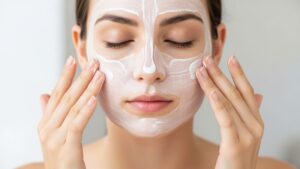
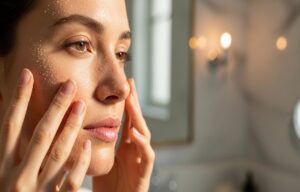
Sunscreen application technique:
- Dispense adequate amount into palm
- Dot sunscreen across forehead, cheeks, nose, chin, and neck
- Blend gently in upward and outward motions
- Don’t rub vigorously—this can reduce coverage
- Pay attention to commonly missed areas:
- Hairline and temples
- Around eyes (use eye-specific formula)
- Ears (especially tops)
- Neck (front and back)
- Chest/décolletage
- Backs of hands
For mineral sunscreens: May require more patience to blend; use patting motions rather than rubbing
For tinted sunscreens: Blend like foundation, ensuring even coverage without streaking
The Reapplication Rule: Every 2 Hours
When to reapply:
- Every 2 hours during sun exposure
- Immediately after swimming or heavy sweating, regardless of water resistance claims
- After towel drying (toweling removes sunscreen)
- Before extended outdoor time if you’ve been indoors
Reapplication over makeup: Challenging but essential options:
- Powder sunscreens: Brush-on mineral powder formulas (Colorescience, Peter Thomas Roth)
- Sunscreen setting sprays: Mist-on reapplication (Supergoop Defense Refresh, Coola Refreshing Water Mist)
- Cushion compacts: K-beauty style cushion sunscreens for touch-ups
- Remove and reapply: Most effective but impractical for many
Indoor considerations: If sitting near windows or in bright indoor environments, reapply midday
Common Application Mistakes to Avoid
Mistake 1: Applying makeup immediately after sunscreen
- Why it’s wrong: Doesn’t allow sunscreen to set/absorb
- Fix: Wait 5-10 minutes before makeup application
Mistake 2: Mixing sunscreen with foundation
- Why it’s wrong: Dilutes protection, uneven coverage
- Fix: Apply full amount of sunscreen separately, then add makeup
Mistake 3: Relying on SPF makeup alone
- Why it’s wrong: Insufficient amount for adequate protection
- Fix: Use dedicated sunscreen; consider SPF makeup as supplementary
Mistake 4: Skipping sunscreen on cloudy days
- Why it’s wrong: Up to 80% of UV rays penetrate clouds
- Fix: Apply daily regardless of weather
Mistake 5: Forgetting expiration dates
- Why it’s wrong: Expired sunscreen loses efficacy
- Fix: Check expiration dates; replace annually if no date listed
Mistake 6: Not shaking mineral sunscreens
- Why it’s wrong: Mineral particles settle; shaking ensures even distribution
- Fix: Shake bottle vigorously for 10 seconds before each use
Building a Comprehensive Sun Protection Strategy
Sunscreen is critical but represents only one component of effective photoprotection.
The Layered Approach to Sun Safety
Layer 1: Topical protection (sunscreen)
- Apply broad-spectrum SPF 30+ daily
- Reapply every 2 hours during sun exposure
- Use water-resistant formulas for swimming/sports
Layer 2: Physical barriers
- UPF clothing: Wear sun-protective fabrics rated UPF 50+ for maximum blocking
- Wide-brimmed hats: Minimum 3-inch brim to shade face, ears, and neck
- UV-blocking sunglasses: Look for 100% UVA/UVB protection; wraparound styles optimal
- Seek shade: Especially during peak UV hours (10am-4pm)
Layer 3: Behavioral modifications
- Plan outdoor activities for early morning or late afternoon when UV index is lower
- Check UV index daily via weather apps or EPA UV Index
- Avoid tanning beds completely (classified as Group 1 carcinogen by WHO)
- Be extra cautious at high altitudes, near water, and in snow (UV reflection increases exposure)
Layer 4: Internal protection (antioxidant support)
- Topical antioxidants: Vitamin C serum under sunscreen (boosts photoprotection)
- Oral supplements: Polypodium leucotomos extract (fern supplement) shows UV-protective benefits in studies
- Recommended brands: Heliocare, ISDIN Oral Photoprotection
- Typical dose: 240-480mg daily during high sun exposure
- Note: Supplements enhance but never replace sunscreen
- Antioxidant-rich diet: Colorful vegetables, berries, green tea, dark chocolate
Layer 5: Regular skin monitoring
- Monthly self-exams: Check for new or changing moles using ABCDE criteria:
- Asymmetry (uneven shape)
- Border irregularity
- Color variation
- Diameter larger than 6mm
- Evolving (changing size, shape, color)
- Annual dermatologist skin checks: Professional full-body examination
- Immediate evaluation: See dermatologist for concerning lesions
Special Situations Requiring Extra Protection
Pregnancy and nursing:
- Hormonal changes increase melasma (dark patches) risk
- Stick to mineral sunscreens exclusively
- Apply even indoors (UVA through windows triggers melasma)
- Reapply diligently throughout day
Post-procedure skin:
- After chemical peels, laser treatments, microneedling: Skin is extremely photosensitive
- Use mineral sunscreens only (less irritating)
- Increase SPF to 50+
- Minimize sun exposure for 7-14 days post-procedure
- Follow dermatologist’s specific aftercare instructions
Photosensitizing medications:
Certain medications increase sun sensitivity:
- Antibiotics (tetracyclines, fluoroquinolones)
- Retinoids (isotretinoin, tretinoin)
- Diuretics (hydrochlorothiazide)
- NSAIDs (ibuprofen, naproxen)
- Some antidepressants and antipsychotics
If taking these medications:
- Discuss photosensitivity risk with prescribing physician
- Use SPF 50+ religiously
- Minimize direct sun exposure
- Watch for unusual burning or rash development
High-risk individuals:
If you have personal/family history of skin cancer, fair skin, numerous moles, or immunosuppression:
- Use SPF 50+ daily, year-round
- Seek dermatologist evaluation every 6 months
- Consider oral photoprotective supplements
- Invest in UPF clothing for outdoor activities
- Avoid peak sun hours strictly
The Truth About Chemical Sunscreen Safety: What Science Actually Shows
Given ongoing concerns, let’s examine the current evidence on chemical sunscreen safety.
Systemic Absorption: The 2019 JAMA Studies
What the research found:
FDA-led studies published in JAMA (2019, 2020) tested common chemical UV filters:
- Applied sunscreen at maximum-use conditions (2mg/cm² four times daily)
- Measured blood levels at various timepoints
- Found systemic absorption exceeding FDA’s 0.5 ng/mL threshold for additional safety data
Key findings:
- Avobenzone: Reached 4.3 ng/mL
- Oxybenzone: Reached 209.6 ng/mL (highest absorption)
- Octocrylene: Reached 2.9 ng/mL
- Ecamsule: Reached 1.5 ng/mL
What this does NOT mean:
- Detection in blood ≠ toxicity or harm
- FDA has NOT concluded these ingredients are unsafe
- Studies measured absorption only, not clinical outcomes
- Thousands of ingredients (food, medications) absorb into bloodstream safely
What this DOES mean:
- FDA requested additional safety data from manufacturers
- More research needed on long-term effects of repeated exposure
- Individuals can make informed personal choices based on risk tolerance
- Pregnant women and children may prefer extra caution
Endocrine Disruption Concerns: Animal vs. Human Data
Animal study findings:
Laboratory and animal research suggests potential hormonal effects:
- Oxybenzone: Estrogenic activity in cell cultures; altered reproductive development in fish
- Octinoxate: Estrogenic effects in rodents
- Octocrylene: Developmental neurotoxicity in zebrafish
Human study limitations:
Most concerning animal findings don’t translate directly to humans because:
- Animal studies often use doses far exceeding human exposure
- Different species metabolize chemicals differently
- Application patterns differ (total body immersion vs. topical application)
Human epidemiological studies:
Research examining real-world human exposure shows:
- Thyroid function: Some studies link high oxybenzone levels to altered thyroid hormones; others show no effect
- Reproductive hormones: Mixed results; most well-designed studies show no clinically significant changes
- Fertility: No consistent evidence of reduced fertility in men or women using sunscreens
- Pregnancy outcomes: No established link between maternal sunscreen use and adverse outcomes
2021 International Journal of Dermatology review conclusion:
After evaluating 29 human studies:
- No adverse effects confirmed on male/female fertility
- No effects on reproductive hormone levels
- No impact on fetal growth or child development
- Potential associations with thyroid function and testosterone require further investigation
- Current evidence doesn’t support avoiding chemical sunscreens
Expert consensus:
Major dermatological organizations (AAD, American Cancer Society, WHO) maintain that proven benefits of sunscreen use—preventing skin cancer and photoaging—far outweigh theoretical risks from systemic absorption.
Environmental Impact and Coral Reef Protection
The coral reef crisis:
- 4,000-6,000 metric tons of sunscreen enter coral reef waters annually
- Chemical filters accumulate in marine sediments and organisms
- Coral reefs already stressed by climate change, pollution, and overfishing
Oxybenzone and octinoxate effects:
Studies demonstrate these chemicals:
- Cause coral bleaching at concentrations as low as 62 parts per trillion
- Induce DNA damage in coral and increase viral susceptibility
- Disrupt coral reproduction and larval development
- Bioaccumulate in fish, mussels, and dolphins
Other chemicals under investigation:
- Octocrylene: May degrade into benzophenone (toxic to coral)
- Homosalate, octisalate: Limited data but potential concerns
- Avobenzone: Less studied but may impact marine life
Nano-mineral particles:
Even mineral sunscreens face scrutiny:
- Nano-sized titanium dioxide and zinc oxide enter water
- Some research suggests nano-particles may stress corals
- Evidence is mixed; generally considered safer than chemical filters
Protecting reefs while protecting skin:
- Choose mineral-only sunscreens when swimming in ocean
- Apply 15-30 minutes before water entry (allows adherence)
- Use water-resistant formulas to reduce washing off
- Prioritize UPF clothing to minimize sunscreen needs
- Support reef-protection legislation and education
Sunscreen Myths Debunked by Dermatologists
Myth 1: “People with dark skin don’t need sunscreen”
Reality: While melanin provides natural protection (equivalent to approximately SPF 13), it doesn’t prevent all UV damage.
Dark skin is still susceptible to:
- Skin cancer (often diagnosed at later, more dangerous stages in people of color)
- Hyperpigmentation and melasma
- Photoaging (though may appear later than in fair skin)
- Post-inflammatory hyperpigmentation (dark spots from acne, injury)
Recommendation: All skin tones need daily SPF 30+ protection.
Myth 2: “Higher SPF means I can stay in the sun longer”
Reality: SPF indicates protection level, not duration.
SPF 15 vs. SPF 50 difference:
- SPF 15: Blocks 93% of UVB
- SPF 50: Blocks 98% of UVB
- Only 5 percentage points difference, not “50 is 3.3x better”
Recommendation: Choose SPF 30-50 and focus on proper application and reapplication rather than chasing ultra-high numbers.
Myth 3: “Waterproof sunscreen doesn’t need reapplication”
Reality: “Waterproof” is actually a banned term—only “water-resistant” for 40 or 80 minutes is permitted.
All sunscreens, even water-resistant formulas:
- Wash off with swimming, sweating, toweling
- Degrade with time and UV exposure
- Require reapplication every 2 hours minimum
Recommendation: Reapply immediately after swimming/sweating regardless of water-resistance claims.
Myth 4: “Sunscreen prevents your body from making vitamin D”
Reality: While sunscreen theoretically blocks UVB rays needed for vitamin D synthesis, real-world use rarely prevents vitamin D production entirely.
Studies show:
- Most people don’t apply enough sunscreen to completely block vitamin D production
- Incidental sun exposure (hands, arms during daily activities) usually provides adequate vitamin D
- If concerned, obtain vitamin D through diet (fatty fish, fortified milk, supplements) rather than risking skin damage
Recommendation: Protect your skin and get vitamin D through nutrition or supplements if levels are low.
Myth 5: “You only need sunscreen in summer or at the beach”
Reality: UV radiation is present year-round, even on cloudy days and in winter.
- UVA rays (aging rays) remain constant throughout seasons
- UVB rays (burning rays) are lower in winter but still present
- Snow reflects up to 80% of UV rays (increasing exposure)
- UVA penetrates windows (car, office, home)
Recommendation: Apply sunscreen daily, 365 days per year, regardless of weather or plans.
Myth 6: “Makeup with SPF is sufficient protection”
Reality: SPF-containing makeup provides minimal protection because:
- Most people don’t apply enough (would need 6-7 layers of foundation to reach labeled SPF)
- Powder formulas cover unevenly
- Makeup isn’t reapplied frequently enough
Recommendation: Use dedicated sunscreen underneath makeup; consider SPF makeup as supplementary protection only.
Myth 7: “Sunscreen causes cancer”
Reality: This dangerous myth stems from misunderstanding of:
- Ingredient safety data (absorption ≠ toxicity)
- Correlation vs. causation (sunscreen users may have higher sun exposure, thus higher skin cancer risk)
- Misinformation campaigns
Scientific consensus: No credible evidence shows sunscreen causes cancer. Overwhelming evidence proves UV exposure causes skin cancer, and sunscreen prevents it.
Recommendation: Apply sunscreen daily to reduce skin cancer risk by up to 40%.
Frequently Asked Questions About Sunscreen
1. What’s the difference between UVA and UVB rays, and why do I need protection from both?
UVB rays (shorter wavelength) penetrate the epidermis causing sunburn and direct DNA damage leading to skin cancer. UVA rays (longer wavelength) penetrate deeper into the dermis, breaking down collagen and elastin, resulting in wrinkles, sagging, and age spots. UVA also contributes to skin cancer and passes through glass windows. SPF only measures UVB protection, so you need “broad spectrum” labeling to ensure UVA coverage. For maximum anti-aging protection, look for high PA++++ ratings or PPD values.
2. Should I use different sunscreens for my face and body?
While not strictly necessary, face-specific formulas offer advantages: lighter textures that work under makeup, non-comedogenic formulations to prevent breakouts, added skincare benefits (antioxidants, hydration), and cosmetic elegance for daily wear. Body sunscreens are typically more economical, thicker, and designed for larger surface area application. For best results, use a facial sunscreen you love (ensuring consistent use) and a separate body formula for broader coverage.
3. How long does sunscreen last once opened, and does it expire?
FDA requires sunscreen to remain effective for at least 3 years from manufacture date unless otherwise stated. Check the expiration date on packaging. Once opened, sunscreen typically remains effective for 1 year, though extreme heat exposure (car storage, beach bags) can accelerate degradation. Signs of expired sunscreen include: separation that doesn’t remix, changed texture or smell, or changed color. When in doubt, replace it—expired sunscreen loses protection capability.
4. Can I use last year’s sunscreen, or should I buy new each summer?
If within expiration date and stored properly (cool, dry location), last year’s sunscreen should remain effective. However, if you’re using adequate amounts, a single person should go through 8-10 bottles per summer season (based on full-body application for regular outdoor time). If you have leftover sunscreen from previous year, you likely weren’t applying enough. Consider this an opportunity to increase application amount with fresh product.
5. What does “broad spectrum” actually mean, and is it enough?
Broad spectrum indicates the product passed FDA testing demonstrating protection against both UVA and UVB rays. However, the UVA protection threshold to earn this label is relatively low. For enhanced UVA protection (crucial for anti-aging), look for additional indicators: PA++++ rating, high PPD value (10+), or specific UVA filters like avobenzone, zinc oxide, or Mexoryl in the formula.
6. Are spray sunscreens as effective as lotions?
Spray sunscreens can be effective IF applied correctly, but studies show most people under-apply sprays significantly. Proper spray technique: Hold bottle close to skin, spray generously until skin appears wet, rub in thoroughly, and apply a second layer. Disadvantages include: inhalation risk (especially concerning for children), uneven coverage, wind interference, and difficulty gauging amount applied. EWG doesn’t verify spray products due to these concerns. Lotions remain the gold standard for measurable, even application.
7. Is sunscreen safe for babies and young children?
AAD recommends keeping infants under 6 months out of direct sunlight entirely using shade, protective clothing, and hats. For babies over 6 months, mineral sunscreens with zinc oxide and/or titanium dioxide are safest choice. Avoid chemical filters in children under 3 years when possible. Choose fragrance-free, hypoallergenic formulas designed for sensitive skin. Apply generously and reapply frequently. For toddlers and older children, teach sun safety early and make reapplication routine.
8. Should pregnant women avoid chemical sunscreens?
While no definitive evidence proves chemical sunscreens harm pregnancy, many dermatologists and OB-GYNs recommend mineral-only formulas during pregnancy and nursing as a precautionary measure due to systemic absorption data. Zinc oxide and titanium dioxide don’t absorb into bloodstream, eliminating theoretical fetal exposure risks. This is especially important since pregnancy increases melasma risk, making sun protection crucial. If mineral formulas prove intolerable, chemical sunscreens are still safer than sun damage—discuss with your healthcare provider.
9. Does sunscreen prevent tanning, and is a tan ever safe?
Sunscreen significantly reduces tanning by blocking UV rays that stimulate melanin production. However, no sunscreen blocks 100% of UV radiation, so some minimal tanning may occur with prolonged exposure. Important truth: No tan is “safe”—tanning represents skin damage and DNA injury. The idea of a “base tan” providing protection is a myth (offers approximately SPF 3 at most). If you desire a tan appearance, use self-tanning products (dihydroxyacetone-based) which are safe and don’t require UV exposure.
10. Can I get vitamin D if I wear sunscreen every day?
Despite concerns, daily sunscreen use rarely causes vitamin D deficiency in real-world settings because: most people don’t apply adequate amounts or reapply consistently, incidental sun exposure occurs on uncovered areas (hands, arms, face during walking, errands), and vitamin D storage lasts months. If blood tests reveal deficiency, address through dietary sources (fatty fish, fortified dairy, egg yolks, mushrooms) or supplements (vitamin D3, 1000-2000 IU daily for most adults) rather than risking skin cancer through intentional UV exposure.
Your Personalized Sun Protection Plan
Sun protection represents one of the most impactful skincare decisions you’ll make. The evidence is overwhelming: consistent sunscreen use reduces skin cancer risk by up to 40%, prevents up to 90% of visible aging, and protects against pigmentation disorders.
Your action plan:
Step 1: Choose your daily facial sunscreen based on:
- Your skin type and concerns
- Preference for mineral vs. chemical filters
- Cosmetic preferences (texture, finish, tint)
- Budget constraints
Step 2: Select a body sunscreen for outdoor activities:
- Water-resistant formula for swimming/sports
- Economical option for generous application
- Reef-safe formulation if ocean swimming
Step 3: Establish your application routine:
- Morning: After skincare, before makeup
- Reapplication: Every 2 hours during sun exposure
- Amount: 1/4 teaspoon for face, 1 oz for body
Step 4: Layer additional protection:
- UPF clothing for extended outdoor time
- Wide-brimmed hat and UV sunglasses
- Shade-seeking behavior during peak hours (10am-4pm)
Step 5: Enhance protection:
- Morning vitamin C serum under sunscreen
- Consider oral Polypodium leucotomos during high-sun periods
- Antioxidant-rich diet for internal photoprotection
Step 6: Monitor your skin:
- Monthly self-examinations for new or changing lesions
- Annual professional skin checks with dermatologist
- Immediate evaluation of concerning spots
Final thoughts:
The “perfect” sunscreen is the one you’ll actually use consistently. Don’t let analysis paralysis prevent you from protecting your skin even an imperfect choice applied daily beats the “best” formula sitting unused in your cabinet.
If you’re avoiding chemical filters due to safety concerns, excellent mineral options exist across all price points. If mineral formulas prove intolerable for your skin tone or type, modern chemical sunscreens provide effective protection with elegant cosmetics.
The sun protection landscape will continue evolving as research progresses and new filters gain approval. Stay informed, adjust your routine as needed, but never skip this crucial step in defending your skin against preventable damage.
Frequently Asked Questions
What’s the actual difference between “sunscreen” and “sunblock”?
“Sunblock” is now a banned marketing term because it implies complete UV blocking, which no product achieves. “Sunscreen” accurately describes products that screen (reduce) UV rays. Historically, “sunblock” referred to opaque zinc oxide or titanium dioxide pastes that physically blocked rays, while “sunscreen” meant chemical absorbers. Today, all products are labeled “sunscreen” regardless of type, with the distinction being chemical versus mineral active ingredients.
Why does my sunscreen sting my eyes, and how can I prevent it?
Eye stinging typically occurs when sunscreen migrates into eyes through sweat, rubbing, or application too close to the eye area. Chemical sunscreens are more likely to cause stinging than mineral formulas. Prevention strategies: Use eye-specific formulas around the orbital area, choose stick formulations for precision, opt for mineral-only products near eyes, avoid application on eyelids themselves, and set sunscreen with translucent powder to reduce migration. If stinging persists, switch to a gentler formula.
Can sunscreen cause acne or clog my pores?
Yes, certain sunscreen ingredients can be comedogenic (pore-clogging), especially: coconut oil, cocoa butter, isopropyl palmitate, and heavy emollients. To prevent sunscreen-related breakouts: Choose products labeled “non-comedogenic,” opt for gel or serum textures, look for oil-free formulations, select chemical sunscreens (typically less pore-clogging than heavy mineral creams), incorporate salicylic acid or niacinamide, and double-cleanse at night to remove all sunscreen residue.
Why do some sunscreens leave a white cast, and how can I avoid it?
White cast occurs with mineral sunscreens (zinc oxide, titanium dioxide) because these particles reflect visible light. Non-nano particles create more noticeable white cast than micronized versions. Solutions for avoiding white cast: Choose tinted mineral sunscreens in your skin tone, select micronized or “sheer” mineral formulas, try chemical sunscreens (no white cast), use combination formulas with lower mineral concentrations, or apply mineral sunscreen in thin layers with thorough blending.
Do I need to wear sunscreen indoors if I sit near windows?
Yes, especially if concerned about aging. UVA rays penetrate standard window glass (though UVB rays don’t), meaning your office or car windows don’t protect against photoaging. If you sit near windows for extended periods: Apply morning sunscreen as usual, consider UVA-specific protection (PA++++), or install UV-blocking window film. For minimal window exposure, morning application is typically sufficient without reapplication indoors.
Can I mix sunscreen with my foundation or moisturizer?
No, mixing dilutes protection and creates uneven coverage. Proper layering order: Apply full amount of sunscreen first (1/4 tsp for face), wait 5-10 minutes for absorption, then apply foundation or other makeup. Some tinted sunscreens can replace foundation, but ensure you’re applying the full required amount. Mixing reduces effectiveness because you won’t use enough sunscreen to reach the labeled SPF
How much sunscreen should I actually be using for full-body application?
For complete body coverage, use approximately 1 ounce (30ml)—visualize a shot glass full or a golf ball-sized amount. Distribution: Each arm gets golf ball amount, each leg gets golf ball amount, torso/back gets golf ball amount, face/neck gets 1/2 teaspoon. A 6-ounce sunscreen bottle should last one person approximately 6 applications (less than one week of daily beach use). If your bottles last all summer, you’re significantly under-applying.