
Understanding how to care for acne‑prone sensitive skin can feel confusing. Too many products or the wrong ingredients can make breakouts worse or trigger irritation. Fortunately, dermatologists and skincare experts recommend a simple, step‑by‑step routine that gently cleanses, treats, protects, and reinforces your skin’s natural barrier. This isn’t just another beauty routine it’s a scientifically informed strategy designed to help you manage acne while minimizing sensitivity. In this guide, we’ll walk through each step morning and evening with clear directions and explanations so you know exactly what to do
What makes acne‑prone sensitive skin unique?
If your skin is both acne‑prone and sensitive, you’re working with a delicate balance. Acne can leave pores clogged with oil and dead skin cells, while sensitive skin reacts intensely to harsh products and fragrance. This means the wrong cleanser or treatment can trigger redness, stinging, dryness, or even more breakouts. The goal isn’t to “treat acne fast,” but to build a routine that manages breakouts without overwhelming the skin barrier. Research shows that a gentle, consistent routine that includes gentle cleansing, appropriate actives, balanced hydration, and daily sun protection leads to better long‑term results than aggressive, complex regimens that irritate the skin.
I-Morning routine: start the day right
1. Gentle cleansing to remove overnight build‑up
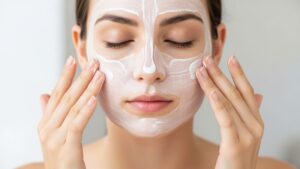
Cleansing is the foundation of any good acne‑prone skincare routine. In the morning, a gentle, non‑comedogenic cleanser helps remove oils, sweat, and leftover skincare from the night before without stripping your skin’s protective barrier. Dermatologists recommend choosing products that are fragrance‑free, sulfate‑free, and gentle to avoid irritation.
When cleansing:
- Use lukewarm water (hot water can irritate sensitive skin).
- Massage cleanser with fingertips, not washcloths.
- Rinse thoroughly and pat dry with a soft towel.
This basic step primes your skin for treatment and protection steps later in your routine.
2. Toner: Gentle pH Balance and Hydration
Toners have evolved from harsh astringents to hydration‑boosting steps that prep the sensitive skin and support moisture. For sensitive acne‑prone skin, choose an alcohol‑free toner with calming botanical ingredients like aloe vera, rosewater, or witch hazel. When applied after cleansing, toners help rebalance pH and enhance the absorption of serums and moisturizers.
Use toner sparingly once daily or a few times per week if your skin is reactive.
3. Targeted Acne Treatment (Lightweight & Beginner‑Friendly)
If your acne produces frequent breakouts, incorporating a targeted treatment can be beneficial. Choose one acne‑fighting ingredient at a time so your skin doesn’t become overwhelmed. Excellent options for acne‑prone sensitive skin include:
- Salicylic acid: Helps unclog pores and reduce blackheads.
- Benzoyl peroxide (low percentage): Reduces acne‑causing bacteria (start low to avoid irritation).
- Azelaic acid: Calms inflammation and fades post‑acne marks.
- Niacinamide: Regulates oil production and soothes redness.
Apply your chosen treatment only to acne‑prone areas unless directed otherwise, and always follow product instructions carefully.
4. Moisturizer: Never Skip Hydration
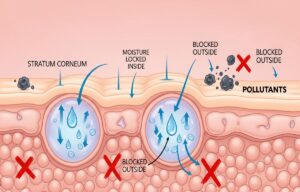
Many beginners with acne‑prone skin skip moisturizer, thinking it will worsen breakouts. In reality, moisturizing helps maintain the sensitive skin natural barrier, preventing dryness and irritation that can trigger excess oil production and worsen acne.
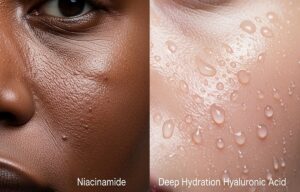
Choose a lightweight, non‑comedogenic moisturizer that won’t clog pores. Look for soothing and barrier‑supporting ingredients like niacinamide, ceramides, hyaluronic acid, and glycerin all of which hydrate without heaviness.
Apply moisturizer after treatment products so your skin remains balanced and comfortable throughout the day.
5. Sunscreen: Your Most Important Step
Whether it’s sunny or cloudy, broad‑spectrum sunscreen (SPF 30 or higher) is a must each morning. Acne treatments can make your skin more sensitive to UV rays, and sun exposure can worsen acne marks and pigmentation. Choose an SPF that is oil‑free, lightweight, and non‑comedogenic to avoid breakouts.
Sun protection is one of the most important long‑term steps in any skincare routine, especially for acne‑prone skin prone to scarring and dark marks.
II-Evening Routine: Repair and Strengthen
1. Double Cleansing (Optional for Makeup or SPF)
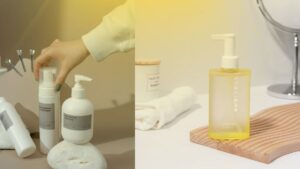
If you wear sunscreen or makeup, consider double cleansing at night. Start with a gentle makeup remover or cleansing oil, followed by your regular mild cleanser to ensure all impurities are removed without stripping your skin.
This deep yet gentle cleanse sets the stage for treatments and moisturizers that follow.
2. Nightly Treatment Products
Evening is the ideal time to use stronger acne treatments that target clogs and breakouts while your skin repairs overnight. Popular acne actives include:
- Retinoids (like adapalene or retinol): Help normalize cell turnover and prevent clogged pores.
- Benzoyl peroxide: Can be used as a spot treatment if tolerated.
- Azelaic acid: Works well for both acne and redness.
Apply treatment products after cleansing and before a night moisturizer.
3. Nighttime Moisturizer for Recovery
After treatment, use a hydrating, barrier‑supporting moisturizer each night to reduce dryness and irritation. Consistent hydration helps reduce sensitivity and supports your skin’s natural healing mechanisms.
III-Weekly Add‑Ons: Exfoliation and Masks
Gentle Exfoliation (1–2 Times/Week)
Exfoliating helps slough away dead sensitive skin cells that can block pores. For acne‑prone skin, chemical exfoliants like salicylic acid (BHA) are often more effective and less irritating than physical scrubs. However, use them no more than 1–2 times a week and never use exfoliants on the same nights as retinoids to avoid irritation.
Face Masks for Occasional Support
Occasional clay or sulfur masks can help draw out excess oil and calm inflammation. Keep usage limited to 1–2 nights per week and always follow with a hydrating moisturizer.
IV-Ingredient Insights for Acne‑Prone Sensitive Skin
Understanding what ingredients help (and which to avoid) is crucial for developing a routine that works:
Helpful Ingredients
- Salicylic acid
- Benzoyl peroxide (low percentage)
- Niacinamide
- Azelaic acid
- Ceramides / hyaluronic acid
Ingredients to Avoid
- Alcohol and fragrances (irritants)
- Thick occlusive oils
- Harsh physical exfoliants
- High‑strength actives used together
Read the powerfull articles:
- Summer Hiking Protection: Essential Tips for Staying Safe Under the Sun
- Mature skin: characteristics, mature skin care, and complete anti-aging skincare routine in 2025
- Selecionar Skin Glowing and Renewed: 7 Habits for Keeping Your Skin beauty
Common Skincare Mistakes to Avoid
- Over‑cleansing: Can strip natural oils and worsen sensitivity.
- Using too many actives at once: Leads to irritation and barrier damage.
- Skipping sunscreen: UV exposure can worsen acne marks and sensitivity.
- Changing products too often: sensitive skin needs consistency to adjust and improve.
Tips to Support Your Skin Beyond Products
Consistency is essential. Acne routines often take 6–12 weeks to show noticeable results, so patience and gentle care pay off. Simple lifestyle habits like reducing sugar intake, staying hydrated, sleeping well, and managing stress also support clearer skin.
When to See a Dermatologist
If acne persists despite a gentle, consistent routine or if breakouts are painful or leaving scars it may be time to consult a skin specialist. A dermatologist can tailor treatments like topical prescriptions, in‑office procedures, or professional guidance suited to sensitive, acne‑prone skin.
Conclusion
Building a beginner skincare routine for acne‑prone sensitive skin doesn’t need to be overwhelming. By focusing on gentle cleansing, targeted treatments, hydration, and consistent sun protection, you can reduce breakouts without triggering irritation. Remember: less is more simplicity and consistency beat complexity and product overload.
Frequently Asked Questions
1. How often should I cleanse acne‑prone sensitive skin?
Cleansing twice daily with a gentle, non‑comedogenic cleanser helps remove impurities without stripping your skin.
2. Can I use exfoliants daily if I have sensitive skin?
No, use chemical exfoliants like salicylic acid 1–2 times per week to avoid irritation.
3. What is the best way to introduce retinoids?
Start with a low‑strength retinoid twice a week, gradually increasing frequency as your skin tolerates it.
4. Should I moisturize if my skin is oily?
Yes, lightweight, non‑comedogenic moisturizers help balance moisture and prevent irritation.
5. What is the most important step in this routine?
Daily broad‑spectrum sunscreen is the most essential step for protecting acne‑prone sensitive skin.