Understanding Dark Spots on Your Skin
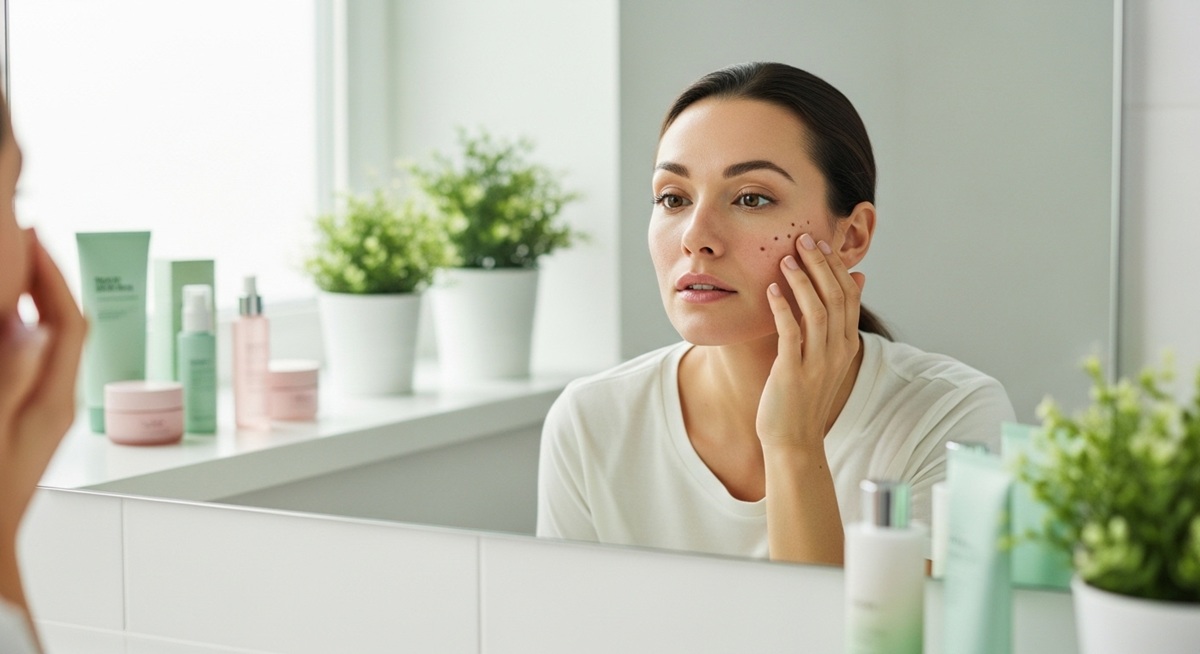
Many of us look in the mirror and notice areas of our skin that appear darker than the rest. These common blemishes, often referred to as dark spots, can be a source of frustration, impacting our confidence and self-esteem. Whether they’re a result of sun exposure, past acne, or hormonal shifts, understanding what causes them and how to address them is the first step toward achieving a more even-toned complexion. In this comprehensive guide, we’ll explore the nature of dark spots, their triggers, effective prevention strategies, and the various treatment options available to help us regain radiant skin.
What Are Dark Spots (Hyperpigmentation)?
Dark spots on the skin are medically known as hyperpigmentation, a common condition where certain areas of the skin become darker than the surrounding skin. This occurs due to an overproduction of melanin, the natural pigment that gives our eyes, hair, and skin their color. When skin cells are damaged or unhealthy, they can produce too much melanin, which can then clump together, causing a darker appearance.
Hyperpigmentation can manifest as brown, black, gray, red, or pink spots or patches. These spots are typically flat and can vary in size and color depending on their cause and an individual’s skin tone. While generally harmless, they can make us feel self-conscious.
Common names for dark spots include:
- Age spots (also called sun spots or solar lentigines): These are often linked to sun exposure and aging, appearing on areas like the face, hands, and arms.
- Melasma: This condition leads to small patches of skin discoloration, commonly affecting the chin, cheeks, bridge of the nose, forehead, and skin above the upper lip. It’s more prevalent in females and pregnant individuals, often appearing during reproductive years.
- Post-inflammatory hyperpigmentation (PIH): These dark spots develop after skin injury or inflammation, such as from acne, eczema, insect bites, burns, or cuts.
Common Causes and Triggers of Dark Spots
Several factors can trigger the overproduction of melanin, leading to the development of dark spots. Understanding these causes is crucial for both prevention and effective treatment.
Sun Exposure and UV Damage
Sun exposure is by far the leading cause of hyperpigmentation. Ultraviolet (UV) light stimulates our skin’s melanocytes (pigment-producing cells) to produce melanin as a natural defense mechanism. While melanin acts as our skin’s natural sunscreen, excessive or prolonged sun exposure can disrupt this process, leading to an uneven buildup of melanin and the formation of sun spots. Tanning beds also contribute significantly to the development of these spots. Once dark spots have formed, continued sun exposure can make them even darker.
Hormonal Changes
Hormonal fluctuations are a primary cause of melasma, often referred to as “the mask of pregnancy”. This type of hyperpigmentation is commonly triggered by pregnancy or the use of oral contraceptives. Estrogen, thyroid changes, heat, and inflammation are known triggers for melasma, which can be chronic and may flare seasonally or due to internal imbalances.
Post-Inflammatory Hyperpigmentation (PIH)
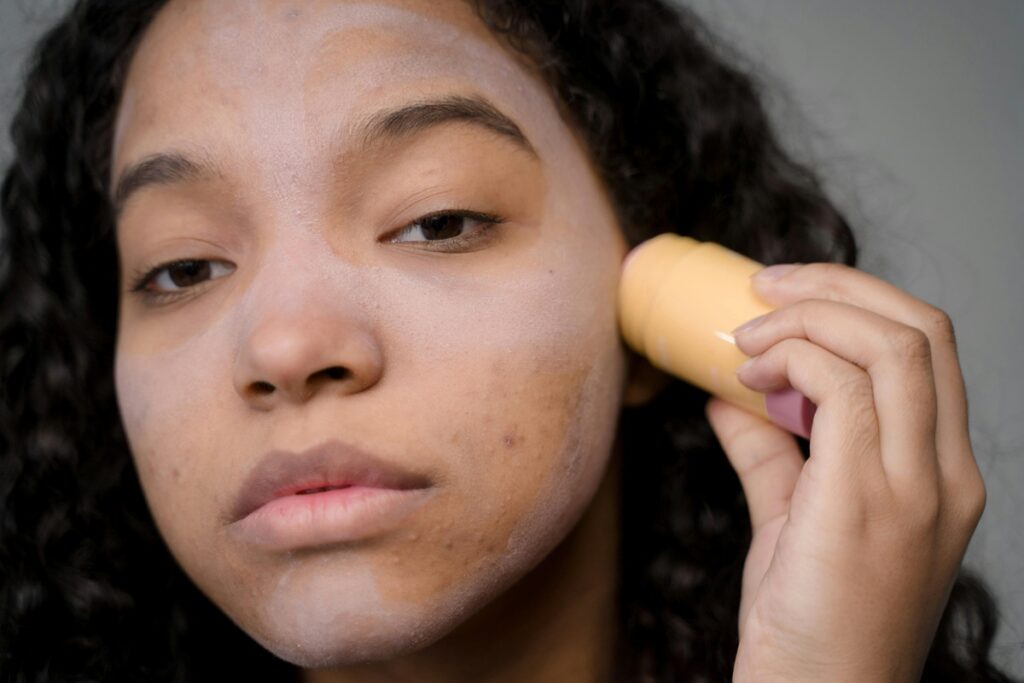
Post-inflammatory hyperpigmentation occurs when our skin heals after an injury or inflammation, leaving behind a discolored area. Common culprits include:
- Acne: Dark spots often remain after acne lesions heal, especially in individuals with darker skin tones.
- Eczema, dermatitis, or psoriasis: These inflammatory skin conditions can also result in PIH.
- Skin trauma: Cuts, burns, insect bites, or even cosmetic procedures like dermabrasion, laser treatment, and chemical peels can lead to dark spots if the skin is not properly cared for during healing.
Aging
As we age, the distribution of melanocytes in our skin can become less uniform, and their regulation may become less controlled. This can lead to melanin concentrating in certain areas, resulting in the appearance of age spots. Dark spots are most commonly seen in middle age, often as a result of cumulative sun exposure over many years.
Medications and Medical Conditions
Certain medications can increase pigmentation or cause sensitivity to light, leading to dark spots. Oral contraceptives are a notable example. Additionally, some medical conditions can cause hyperpigmentation, including:
- Adrenal disorders, such as Addison’s disease.
- Thyroid disorders.
- Diabetes, which can cause certain areas of the skin to darken.
- Insufficient intake of certain vitamins like B12 and folic acid.
It is important to note that, in rare cases, a new dark spot could indicate skin cancer, making it crucial to consult a healthcare professional for diagnosis if we are concerned.
Effective Strategies for Preventing Dark Spots
While some forms of hyperpigmentation, like those caused by genetics or hormones, cannot always be entirely prevented, we can significantly reduce our risk and prevent existing spots from worsening.
Prioritize Sun Protection
Sun protection is the most critical defense against dark spots.
- Daily Sunscreen Application: Apply a broad-spectrum sunscreen with an SPF of at least 30 every day, regardless of whether it’s sunny or cloudy. Sunscreen should be applied at least 30 minutes before sun exposure and reapplied every two hours, or more often if swimming or sweating. For those prone to melasma or hyperpigmentation, mineral-based sunscreens containing iron oxides are often recommended.
- Seek Shade and Avoid Peak Sun Hours: Limit time outdoors when the sun’s UV rays are strongest, typically between 10 a.m. and 2 p.m.. Seek shade whenever possible.
- Wear Protective Clothing: Hats with wide brims, sunglasses, long-sleeved shirts, and long pants can provide physical barriers against harmful UV rays.
Practice Gentle Skincare
Inflammation or irritation can lead to post-inflammatory hyperpigmentation.
- Treat Skin Conditions: Promptly treat skin conditions like acne, eczema, or psoriasis to prevent inflammation that can leave behind dark spots.
- Choose Gentle Products: Use skincare products that are gentle on our skin. If a product causes burning or stinging, we should stop using it. Aggressive treatments or procedures that cause excessive inflammation can sometimes worsen hyperpigmentation, especially for conditions like melasma.
- Avoid Picking or Squeezing: Refrain from picking at acne, scabs, or other skin injuries, as this can exacerbate inflammation and lead to darker, more persistent spots.
Address Underlying Causes
If dark spots are linked to medications, discuss alternatives with the prescribing doctor. For hormonal influences or other medical conditions, consulting a healthcare provider for proper diagnosis and management is essential.
Treatment Options for Fading Dark Spots
While prevention is key, various treatment options can help fade existing dark spots and improve overall skin tone. It’s often beneficial to consult a dermatologist to determine the cause of our dark spots and receive a tailored treatment plan.
Over-the-Counter (OTC) Products
Many non-prescription creams and serums are available that can help lighten dark spots over time. Consistency is vital, and results may take several weeks or months to become noticeable. Look for products containing these active ingredients:
- Vitamin C (L-Ascorbic Acid): A potent antioxidant that helps brighten skin and stimulates collagen production. It’s recommended to use antioxidants twice a day, as morning application can be depleted within a few hours outdoors.
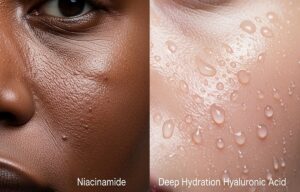
- Niacinamide: Also known as Vitamin B3, it reduces melanin transfer and improves skin barrier function, helping to reduce redness and improve skin tone.
- Kojic Acid: A naturally derived ingredient that inhibits melanin production.
- Alpha Arbutin: Works similarly to hydroquinone by inhibiting melanin production, often found in skin-lightening creams.
- Licorice Root Extract: Known for its skin-brightening and soothing properties.
- Mild Exfoliants: Ingredients like salicylic acid or mandelic acid can help remove dead skin cells and promote cell turnover, revealing brighter skin. However, for sensitive skin, some experts advise caution with inflammatory acids like glycolic acid.
Read the best post: Treat oil skin naturally
Professional Treatments
For more stubborn or widespread dark spots, dermatological procedures can offer more significant results.
- Prescription Topical Treatments:
- Hydroquinone: Considered a “gold standard” skin lightener, it works by bleaching the skin and preventing melanin production. Prescription strengths typically range up to 4%. It requires dermatologist supervision due to its strength and potential side effects.
- Retinoids (e.g., Tretinoin): These vitamin A derivatives promote cell turnover, helping to reduce the appearance of hyperpigmentation.
- Azelaic Acid: A gentle but effective option, especially beneficial for acne-prone skin, that brightens pigmentation.
- Tranexamic Acid: Increasingly recognized as a hero ingredient for melasma treatment.
- Chemical Peels: A chemical solution is applied to the skin to exfoliate the top layers, stimulating cell renewal and revealing smoother, more even-toned skin underneath. Peels can contain various acids like glycolic acid, lactic acid, salicylic acid, or trichloroacetic acid (TCA), with different strengths for varying concerns. Downtime can range from slight redness to several weeks of peeling.
- Microdermabrasion: This non-invasive procedure uses a specialized tool to gently exfoliate the outer layer of skin, removing discolored cells and promoting new collagen growth. It can help improve skin texture and reduce pigmentation, with minimal downtime.
- Laser Therapy and Intense Pulsed Light (IPL): These treatments use light energy to target melanin deposits in the skin, breaking them into tiny fragments that the body naturally clears. IPL is often considered the gold standard for sun spot removal. Multiple sessions are typically required, and downtime can involve initial redness followed by darkening and flaking of pigmented areas. Specific lasers like Q-Switched Nd:YAG are ideal for deeper pigmentation like melasma or age spots.
- Cryotherapy: This involves freezing dark spots with liquid nitrogen, causing them to peel off as the area heals. It’s typically used for small, isolated spots.
- Microneedling: Tiny needles create micro-injuries in the skin, stimulating collagen production and improving skin texture and color.
It’s important to remember that treatments for dark spots are often considered cosmetic and may not be covered by insurance. A dermatologist can help determine the best and safest approach for our specific skin type and condition.
Achieving a More Even-Toned Complexion
Dealing with dark spots can be a challenging journey, affecting not just our skin’s appearance but also our confidence. However, with a clear understanding of what causes hyperpigmentation and a commitment to effective strategies, achieving a more even-toned complexion is within reach. We’ve learned that sun protection is paramount, acting as our first line of defense against both the formation and worsening of dark spots. Beyond prevention, a range of topical treatments, both over-the-counter and prescription-strength, along with advanced in-office procedures, offer promising solutions.
Remember, our skin deserves attention undivided and always. The goal is healthy skin, not necessarily perfect skin. By being patient, consistent with our skincare routine, and seeking professional guidance when needed, we can effectively manage dark spots and embrace the journey toward radiant, balanced skin. As Dr. Sam, a renowned cosmetic surgeon, wisely states, “Pigmentation is no longer just a cosmetic concern; it’s a significant skin issue that can deeply affect a person’s confidence, emotional well-being, and quality of life”. With the right approach, we can take control and feel more comfortable and confident in our skin.
Generally, dark spots on the skin are harmless and usually not a cause for medical concern. However, any new or changing dark spot should be evaluated by a dermatologist to rule out more serious conditions, such as skin cancer.
While we can effectively get rid of existing dark spots and patches, new ones can form. We cannot cure all forms of hyperpigmentation, such as those predominantly influenced by genetics or hormones, but we can prevent them from developing again or manage their appearance. Consistent prevention strategies, especially sun protection, are key to long-term success.
The time it takes for dark spots to fade varies depending on the cause, depth, and chosen treatment method. A spot that is a few shades darker than our natural skin color may fade within 6 to 12 months. Deeper coloration, especially in people with darker skin, can take years to fade. Over-the-counter products may require several weeks or months of consistent use to show results. Professional treatments can offer faster results, but multiple sessions are often needed.
Hyperpigmentation is a broad term describing any area of skin that appears darker than the surrounding skin due to excess melanin. Melasma is a specific type of hyperpigmentation. It is primarily caused by hormonal changes, often triggered by pregnancy or birth control pills, and typically appears as patches on the face. About 90% of people with melasma are women. While all melasma is hyperpigmentation, not all hyperpigmentation is melasma.
Makeup can potentially contribute to hyperpigmentation if it’s used consistently and not properly removed, especially if it irritates the skin or if ingredients cause photosensitivity when exposed to the sun. Using non-comedogenic and gentle makeup, and maintaining a thorough cleansing routine, can help mitigate this risk.