
Understanding dark spots and hyperpigmentation
What are dark spots?
Dark spots, often called hyperpigmentation, are patches of skin that appear darker than the surrounding area. These spots form when the skin produces excess melanin, the pigment responsible for the color of your skin, air, and eyes. Instead of being evenly distributed, melanin clusters in certain areas, creating noticeable discoloration. While dark spots can occur anywhere on the body, they commonly appear on the face, hands, shoulders, and back areas that are frequently exposed to sunlight.
Hyperpigmentation is one of the most common skin concerns globally, affecting people of all skin tones. Dermatology reports show that uneven pigmentation is a major cosmetic concern across many populations, with some studies indicating over 80% of people experience some form of facial pigmentation irregularity during their lives. This widespread prevalence explains why treatments for dark spots have become a rapidly growing industry, with the global hyperpigmentation treatment market projected to reach $2.02 billion by 2030.
Think of your skin like a painting. When pigment spreads evenly, the color looks smooth and balanced. But when pigment gathers in patches, the painting becomes uneven. That’s essentially what happens with dark spots. The good news is that most forms of hyperpigmentation are harmless and treatable. With the right skincare routine, professional treatments, and lifestyle adjustments, many people see noticeable improvement in skin tone within weeks or months.
The science behind melanin production
To truly understand how dark spots develop, it helps to know how melanin production works. Melanin is produced by specialized cells in the skin called melanocytes. These cells act as your skin’s natural defense system against ultraviolet (UV) radiation. When your skin is exposed to sunlight, melanocytes increase melanin production to protect deeper layers of the skin from damage.
This protective response is the reason why people tan after sun exposure. However, when melanocytes become overactive due to sun damage, inflammation, or hormonal changes they produce too much pigment. Instead of spreading evenly, this pigment collects in certain areas, forming dark spots.
In some cases, inflammation triggers excess melanin production as the skin heals. For example, acne breakouts, insect bites, or minor injuries can leave behind post-inflammatory hyperpigmentation (PIH). Once the skin heals, the dark mark remains as a reminder of the original irritation.
Research also shows that targeted pigment-correcting treatments can significantly reduce the appearance of dark spots within about 12 weeks of consistent use, improving overall skin tone and reducing pigmentation intensity. This demonstrates that while dark spots can be stubborn, they are far from permanent.
Understanding this biological process is the first step toward choosing the right treatment strategy.
Common Causes of Dark Spots
Sun Exposure and UV Damage
If dark spots had a number-one enemy, it would be the sun. Ultraviolet radiation is the leading cause of hyperpigmentation because it directly stimulates melanocytes to produce more pigment. Years of unprotected sun exposure gradually accumulate damage, eventually showing up as sunspots or uneven skin tone.
These spots often appear on areas that receive the most sunlight like the face, hands, neck, and shoulders. Even short daily exposures can contribute to pigmentation over time. Imagine repeatedly pouring a drop of ink onto a sheet of paper. One drop might not seem noticeable, but over time those drops accumulate and become obvious.
Skipping sunscreen is one of the biggest mistakes people make when trying to treat dark spots. Dermatologists consistently emphasize that daily sunscreen with SPF 30 or higher is essential because UV exposure can worsen pigmentation and slow the fading process.
Acne and Post-Inflammatory Hyperpigmentation
Have you ever noticed a dark mark left behind after a pimple heals? That’s post-inflammatory hyperpigmentation. When the skin experiences inflammation whether from acne, cuts, burns, or allergic reactions the healing process can trigger excess melanin production.
This type of pigmentation is especially common in people with darker skin tones because their skin naturally produces more melanin. While the inflammation eventually disappears, the pigment can remain for months or even years if untreated.
Managing acne effectively is crucial for preventing these marks. Treating dark spots without addressing the underlying cause like recurring breakouts often leads to new spots appearing just as old ones fade.
Hormonal Changes and Melasma
Hormonal fluctuations can also influence melanin production, leading to a condition called melasma. This type of hyperpigmentation often appears as symmetrical patches on the cheeks, forehead, nose, or upper lip.
Melasma commonly occurs during pregnancy, when using birth control pills, or during hormonal disorders. Hormonal changes stimulate melanocytes, causing them to produce excess pigment in certain areas.
Unlike other forms of hyperpigmentation, melasma can be particularly stubborn. It often requires a combination of treatments, including topical medications, chemical peels, and strict sun protection.
Types of Dark Spots on the Skin
Sunspots and Age Spots
Sunspots also known as solar lentigines or age spots develop after years of sun exposure. They are usually flat, brown spots that appear on areas frequently exposed to sunlight. These spots become more common as people age because the skin accumulates UV damage over time.
While age spots are harmless, many people choose to treat them for cosmetic reasons. Treatments such as chemical peels, laser therapy, and topical brightening agents can significantly reduce their appearance.
Melasma
Melasma appears as large, symmetrical patches rather than small individual spots. It commonly affects women and is often triggered by hormonal changes. Sun exposure can worsen melasma, making sun protection critical for prevention and treatment. Unlike sunspots, melasma tends to return if triggers like hormones or UV exposure are not controlled.
Post-Inflammatory Hyperpigmentation
Post-inflammatory hyperpigmentation occurs after skin trauma or inflammation. Acne is the most common cause, but burns, insect bites, allergic reactions, and cosmetic procedures can also trigger it.
The severity and duration of PIH depend on skin tone, the depth of inflammation, and how the skin heals.
Best at-home treatments for dark spots
Topical Skincare Ingredients That Work
Vitamin C
Vitamin C is one of the most powerful ingredients for brightening the skin. It works by inhibiting melanin production while protecting the skin from environmental damage. In addition, it stimulates collagen production, which helps improve overall skin texture.
Using a vitamin C serum daily can gradually lighten dark spots and improve skin radiance. Many dermatologists recommend applying it in the morning before sunscreen for maximum protection.
Niacinamide
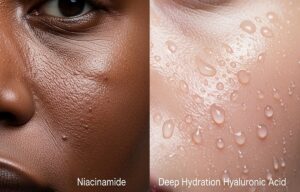
Niacinamide, a form of vitamin B3, helps regulate melanin distribution in the skin. Instead of stopping pigment production entirely, it prevents pigment from spreading unevenly.
This ingredient is particularly beneficial for people with sensitive skin because it also reduces redness and inflammation.
Retinoids
Retinoids, including retinol and prescription tretinoin, speed up skin cell turnover. This process helps remove pigmented cells faster and encourages new, evenly pigmented skin to replace them.
Retinoids can be highly effective but may cause irritation during the first few weeks. Dermatologists often recommend starting slowly and using them only at night.
Read this enfase: A Comprehensive Guide to Even-Toned Skin
Professional Dermatological Treatments
Chemical Peels
Chemical peels involve applying an acid solution to the skin to remove the top layer of damaged cells. Common acids used include glycolic acid, salicylic acid, and lactic acid.
Studies show that glycolic acid peels can reduce dark spots by about 50% within several months when performed consistently. These treatments reveal smoother, brighter skin underneath, but they should always be performed by trained professionals to avoid irritation.
Laser Therapy
Laser treatments target pigment directly beneath the skin. Advanced technologies, such as picosecond lasers, break pigment particles into tiny fragments that the body gradually removes.
Modern laser treatments are faster and safer than earlier technologies. Many sessions take only 15 minutes with minimal downtime of 24–48 hours. However, multiple sessions are usually required for optimal results.
Microneedling
Microneedling uses tiny needles to create micro-injuries in the skin, stimulating collagen production and improving skin texture. When combined with brightening serums, it can help fade dark spots over time.
Preventing Dark Spots
Preventing dark spots is often easier than treating them. Consistent sun protection is the most important step. Applying broad-spectrum sunscreen every day helps prevent UV-induced pigmentation and protects the results of other treatments.
Other preventive strategies include:
- Avoid picking or squeezing acne
- Use gentle skincare products
- Manage hormonal triggers when possible
- Maintain a consistent skincare routine
Lifestyle and Skincare Habits That Improve Skin Tone
Healthy skin reflects healthy habits. Drinking enough water, maintaining a balanced diet, and managing stress can all influence skin health.
Certain foods rich in antioxidants like berries, citrus fruits, and leafy greens help protect the skin from oxidative damage. Regular sleep also supports the skin’s natural repair process. Think of your skin as a mirror reflecting your lifestyle choices. Small daily habits can make a big difference over time.
Natural Remedies for Dark Spots
Some people prefer natural remedies before trying medical treatments. While results vary, certain ingredients may help brighten skin over time. Common natural remedies include:
- Aloe vera
- Green tea extract
- Licorice root
- Turmeric
These ingredients contain antioxidants and anti-inflammatory compounds that may help reduce pigmentation.
Comparing Dark Spot Treatments
| Treatment | Best For | Time to See Results | Cost |
|---|---|---|---|
| Vitamin C Serum | Mild dark spots | 4–8 weeks | Low |
| Retinoids | Acne marks and aging skin | 6–12 weeks | Medium |
| Chemical Peels | Sunspots and uneven tone | 1–3 months | Medium |
| Laser Therapy | Stubborn pigmentation | 2–4 sessions | High |
| Microneedling | Texture and pigmentation | 4–8 weeks | Medium |
Conclusion
Dark spots can feel frustrating, especially when they seem to appear out of nowhere or refuse to fade. But understanding the underlying causes from sun exposure to hormonal changes makes it easier to choose the right treatment approach.
The key to successful dark spot treatment is patience and consistency. Topical skincare ingredients like vitamin C, niacinamide, and retinoids can gradually improve pigmentation, while professional treatments such as chemical peels and lasers provide faster results for stubborn spots.
Sun protection remains the most important step in both treatment and prevention. Without it, even the most effective treatments may struggle to produce lasting results.
With the right combination of skincare, lifestyle habits, and professional guidance, achieving clearer, more even-toned skin is entirely possible.