What Is the kin barrier and why It matters
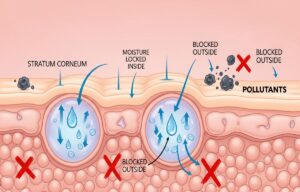
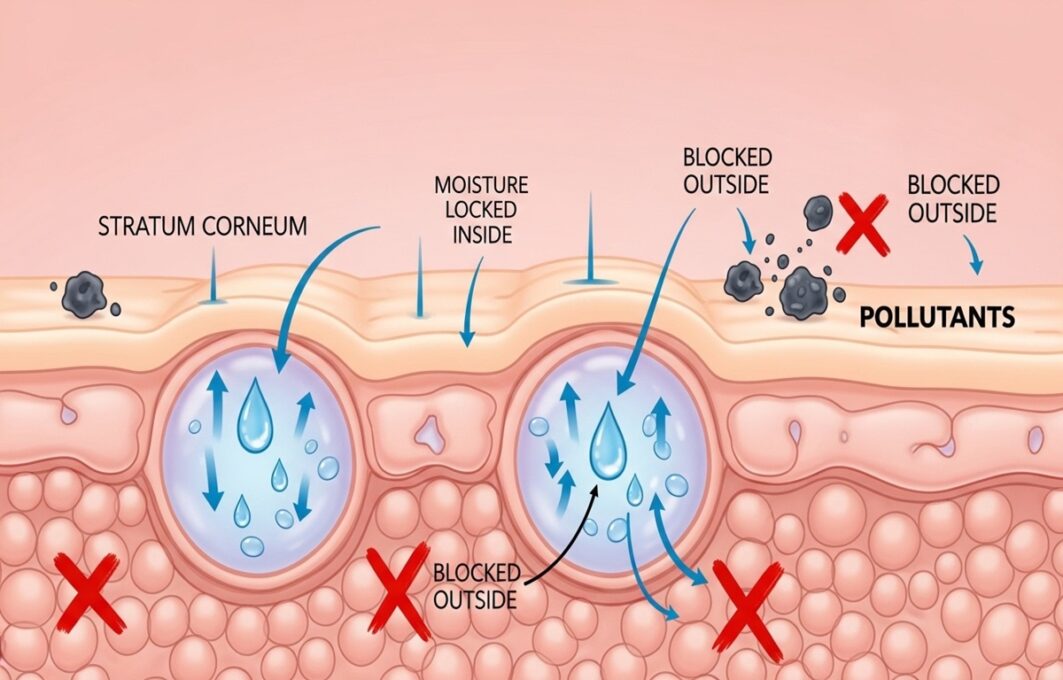
Your skin barrier, also known as the stratum corneum, is the outermost layer of your skin that acts like a protective wall between your body and the environment. It keeps moisture in and harmful irritants out. Think of it as your skin’s natural shield. A healthy barrier prevents dryness, redness, and sensitivity while supporting overall skin resilience.
Structurally, the barrier is made of lipids, ceramides, cholesterol, and fatty acids arranged like bricks and mortar. These components ensure that your skin stays hydrated, smooth, and protected against pollution, bacteria, and allergens. When this barrier is compromised, even simple things like cold weather, harsh soaps, or friction from clothing can trigger irritation or dehydration.
Maintaining a strong skin barrier is essential not only for appearance but also for preventing long-term skin issues such as premature aging, acne flares, and eczema. A compromised barrier can make skin look dull, flaky, and sensitive to the environment. That’s why understanding how to repair it naturally at home is a crucial step in any effective skincare routine.
Signs your skin barrier Is damaged
Recognizing damage early can help prevent further complications. Common signs include:
- Redness and inflammation: Skin may feel warm and irritated, particularly after cleansing.
- Excessive dryness or flaking: Your skin may appear rough and uneven.
- Increased sensitivity: Even gentle products can cause stinging or burning sensations.
- Breakouts or rashes: Compromised skin barriers are prone to acne and eczema.
Damage can result from external triggers like harsh cleansers, over-exfoliation, environmental stressors (UV rays, pollution), or even internal factors such as poor diet and stress. Noticing these signs early allows you to implement barrier-repair strategies before your skin worsens.
Ingredients That Help Repair Skin Barrier
Ceramides: The Skin’s Natural Lipids
Ceramides are lipids naturally found in your skin that help hold skin cells together and lock in moisture. Topical ceramide creams or serums can restore barrier integrity, reduce dryness, and improve skin resilience.
Hyaluronic Acid: Deep Hydration
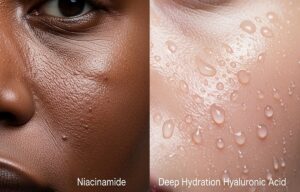
Hyaluronic acid is a humectant that attracts and retains water within your skin. By boosting hydration, it supports the barrier’s structure, preventing tightness and flakiness.
Niacinamide and Fatty Acids
Niacinamide strengthens the skin barrier, improves elasticity, and reduces inflammation. Fatty acids from oils like squalane, jojoba, and avocado replenish essential lipids that your skin loses during barrier damage.
Daily Routine to Heal Your Skin
Gentle Cleansing Techniques
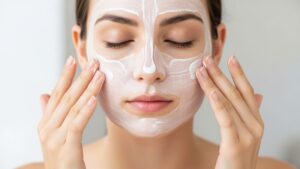
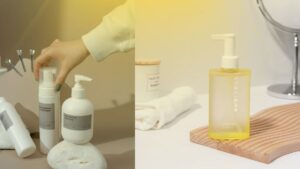
Use a mild, fragrance-free cleanser twice daily. Avoid hot water and harsh scrubs, which can strip natural oils. Pat your skin dry instead of rubbing to prevent irritation.
Moisturizing Strategies for Skin barrier Repair
Layer barrier-repair moisturizers containing ceramides, hyaluronic acid, and fatty acids. Consider occlusive products like petrolatum at night to lock in moisture and accelerate healing.
Protective Measures: Sunscreen and Avoiding Irritants
UV damage worsens barrier impairment. Apply broad-spectrum SPF 30+ daily. Avoid alcohol-based toners, fragranced products, and exfoliating acids until your barrier has recovered.
DIY Treatments and Home Remedies for skin barrier
Oatmeal Baths for Soothing Irritation
Colloidal oatmeal has anti-inflammatory properties that calm redness and itching. Mix it with water to create a gentle paste or take a lukewarm oatmeal bath.
Aloe Vera and Honey Applications
Both aloe and honey soothe irritated skin and provide mild hydration. Use fresh aloe gel or raw honey as a mask for 10–15 minutes.
Foods and Supplements That Support Skin Barrier Health
Omega-3 Fatty Acids and Antioxidants
Eating foods rich in omega-3s (salmon, flaxseed) and antioxidants (berries, leafy greens) strengthens skin from within, reduces inflammation, and supports barrier recovery.
Vitamins A, C, and E
Vitamin A promotes cell turnover, vitamin C enhances collagen production, and vitamin E protects against oxidative stress, all critical for a resilient barrier.
Common Mistakes That Worsen Skin Barrier Damage
Over-Exfoliating and Harsh Cleansing
Excessive scrubbing and chemical peels strip the barrier, causing long-term sensitivity. Stick to gentle exfoliation 1–2 times per week.
Using Alcohol-Based Products
Alcohols in toners, astringents, and some serums dry out the skin and weaken the barrier. Always choose alcohol-free alternatives.
When to Consult a Dermatologist
Persistent irritation, eczema flares, or chronic redness require professional evaluation. Dermatologists can recommend barrier-repair treatments, prescription creams, or targeted therapies for stubborn cases.
Maintaining a Healthy Skin Barrier Long-Term
Seasonal Adjustments in Skincare
Switch to richer moisturizers in winter and lighter hydration in summer. Adjust routines to your environment to maintain barrier strength year-round.
Tracking Progress and Listening to Your Skin
Observe your skin’s response to new products. Keep a skincare diary to note reactions, improvements, and sensitivities. This ensures long-term barrier health and prevents future damage.
Conclusion
Repairing a damaged skin barrier naturally at home is entirely possible with gentle cleansing, hydration, and the right ingredients. By listening to your skin, avoiding harsh products, and incorporating nourishing foods and DIY remedies, you can restore your skin’s resilience and glow. Remember, consistency is key, and small, daily actions have long-term benefits.
FAQs
1. How long does it take to repair a damaged skin barrier naturally?
It usually takes 2–6 weeks depending on the severity of the damage and your skincare routine consistency.
2. Can I use exfoliants while repairing my skin barrier?
Avoid harsh exfoliants. If needed, use very gentle exfoliation once every 1–2 weeks.
3. Are natural oils safe for repairing the skin barrier?
Yes, squalane, jojoba, and avocado oils can help restore lipids and improve hydration.
4. Should I avoid all skincare products while healing my skin barrier?
Not necessarily. Use gentle, fragrance-free, barrier-repair products and avoid irritants.
5. Can diet really affect my skin barrier health?
Absolutely. Omega-3s, antioxidants, and vitamins A, C, E help repair and maintain a healthy skin barrier from within.