Introduction
If your skin feels tight, dull, or irritated, chances are you’re missing one essential step in your routine: moisturizers. In 2026, skincare science has made one thing clear hydration isn’t optional; it’s foundational.
Studies from dermatological associations show that over 70% of people experience dehydrated skin at some point, regardless of skin type. That’s where moisturizers step in not just as cosmetic products, but as essential tools for maintaining skin health, resilience, and youthful appearance.
In this comprehensive guide, you’ll discover everything you need to know about moisturizers from how they work to how to choose the perfect one for your skin. Whether you’re dealing with dryness, acne, or sensitivity, this article will help you make smarter, evidence-based decisions.
What are moisturizers?
Moisturizers are skincare products designed to hydrate the skin and prevent water loss. They support the skin barrier, which acts as a shield against environmental damage.
Key functions:
- Lock in moisture
- Protect the skin barrier
- Improve texture and elasticity
- Reduce dryness and irritation
How moisturizers work
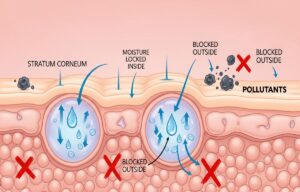
Moisturizers don’t just “add water” to your skin they work through a multi-layered mechanism that restores, protects, and maintains your skin’s natural balance.
To understand this properly, think of your skin like a brick wall:
- The skin cells are the bricks
- The lipids (fats) are the mortar holding everything together
When this structure is damaged, water escapes and your skin becomes dry, irritated, or sensitive.
You might enjoy reading about: Eisenberg face mask: complete guide for benefits, ingredients & real results (2026)
Moisturizers fix this problem in three main ways:
1. Humectants: attract water into the skin
Humectants pull moisture from:
- The environment (humidity)
- Deeper layers of the skin
Common humectants:
- Hyaluronic acid
- Glycerin
- Urea
How they work:
They act like a sponge, drawing water into the outer layer of your skin (epidermis), making it look:
- Plumper
- Smoother
- More hydrated
Important Insight:
In very dry environments, humectants may pull water from deeper skin layers instead of the air—so they work best when combined with other ingredients.
2. Emollients: smooth and repair the skin surface
Emollients fill in the gaps between damaged skin cells, making the surface softer and more even.
Examples:
- Fatty acids
- Ceramides
- Plant oils (like jojoba or shea butter)
What they do:
- Repair cracks in the skin barrier
- Improve texture
- Reduce roughness and flakiness
Think of emollients as the “repair team” that fixes your skin’s structure.
3. Occlusives: seal in moisture
Occlusives create a protective layer over your skin to prevent water loss.
Common occlusives:
- Petrolatum
- Beeswax
- Mineral oil
How they work:
They act like a shield, reducing transepidermal water loss (TEWL) which is the process where water evaporates from your skin.
Key Fact:
Some occlusives can reduce water loss by up to 98%, making them extremely effective for very dry skin.
4. Supporting the Skin Barrier (The Core Function)
Modern moisturizers do more than hydrate they actively restore the skin barrier.
Why This Matters
A damaged barrier leads to:
- Sensitivity
- Redness
- Acne
- Dehydration
Barrier-Repair Ingredients:
- Ceramides
- Cholesterol
- Fatty acids
These ingredients rebuild the “mortar” between your skin cells, making your skin stronger and healthier over time.
5. Balancing Oil and Water Levels
Your skin needs a balance of:
- Water (hydration)
- Oil (protection)
Moisturizers help regulate both:
- If your skin is dry → they add hydration
- If your skin is oily → they prevent overproduction of oil
This balance is key to preventing:
- Breakouts
- Shine
- Tightness
Types of Moisturizers
| Type | Best For | Texture |
|---|---|---|
| Creams | Dry skin | Thick |
| Lotions | Normal skin | Light |
| Gels | Oily skin | Water-based |
| Ointments | Very dry skin | Heavy |
| Serums | All types | Lightweight |
15 Proven Benefits of Moisturizers
1. Prevents Dryness
Moisturizers help your skin retain water, preventing dryness and flakiness. This is especially important in hot climates, air-conditioned environments, or during cold weather.
2. Strengthens the Skin Barrier
Your skin barrier protects you from pollution, bacteria, and irritants. Moisturizers reinforce this barrier, making your skin more resilient and less sensitive.
3. Keeps Skin Hydrated
Hydration is essential for healthy skin, attract and lock in water, keeping your skin soft, smooth, and comfortable throughout the day.
4. Reduces Signs of Aging
Well-moisturized skin looks plumper and smoother. This helps reduce the appearance of:
- Fine lines
- Wrinkles
- Dullness
5. Improves Skin Texture
Regular use of moisturizers makes your skin feel softer and more even. Rough patches and uneven texture become less noticeable over time.
6. Controls Oil Production
It may sound surprising, but moisturizers can actually help oily skin. When your skin is hydrated, it produces less excess oil, reducing shine and breakouts.
7. Soothes Irritation and Redness
Ingredients like aloe vera or ceramides calm irritated skin and are helpful for conditions like:
- Redness
- Sensitivity
- Mild inflammation
8. Protects Against Environmental Damage
Moisturizers act as a protective layer against:
- Pollution
- Dust
- Harsh weather
This helps maintain healthier skin over time.
9. Helps Prevent Acne
When skin is dry, it can produce more oil, which may clog pores. Using the right moisturizer keeps your skin balanced and can reduce acne risk.
10. Supports Skin Healing
Its help repair damaged skin by keeping it hydrated. This speeds up recovery from:
- Minor cuts
- Irritation
- Breakouts
11. Enhances Skin Glow
Hydrated skin naturally looks brighter and more radiant. improve your skin’s overall appearance and vitality.
12. Maintains Skin Elasticity
Elasticity keeps your skin firm and youthful. Moisturizers support this by preventing dryness and maintaining flexibility.
13. Prevents Flaking and Peeling
If your skin tends to peel, especially on the face or hands and keep it smooth and intact.
14. Balances Skin pH
Healthy skin has a slightly acidic pH. Moisturizers help maintain this balance, which is important for protecting against bacteria.
15. Improves Overall Skin Health
Consistent use of moisturizers leads to stronger, healthier skin that can better handle daily stress and environmental exposure.
How to Choose Moisturizers for Your Skin Type
Dry Skin:
- Look for creams with ceramides and oils
Oily Skin
- Choose oil-free gel moisturizers
Sensitive Skin
- Fragrance-free and hypoallergenic
Combination Skin
- Lightweight lotions
Top Ingredients to Look For
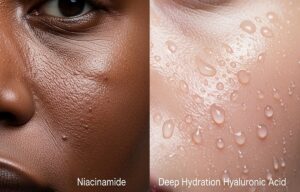
- Hyaluronic Acid – deep hydration
- Glycerin – moisture retention
- Ceramides – barrier repair
- Niacinamide – reduces inflammation
- Aloe Vera – soothing
Ingredients to Avoid
- Alcohol (drying)
- Artificial fragrances
- Parabens (controversial)
- Harsh preservatives
Moisturizers for Different Skin Types
Oily Skin
Use gel-based moisturizers to avoid clogging pores.
Dry Skin
Use rich creams with occlusives.
Sensitive Skin
Stick to minimal ingredient formulas.
How to Apply Moisturizers (Step-by-Step)
- Cleanse your face
- Apply toner (optional)
- Use serum
- Apply moisturizer on damp skin
- Use sunscreen (morning routine)
Common Mistakes When Using Moisturizers
- Applying on dry skin
- Using too much product
- Skipping moisturizer if oily
- Not adjusting by season
Day vs Night Moisturizers
| Feature | Day | Night |
|---|---|---|
| Texture | Light | Rich |
| SPF | Yes | No |
| Purpose | Yes | Repair |
You might enjoy reading about: How to repair a damaged skin barrier naturally at home
Natural vs Synthetic Moisturizers
Natural
- Plant-based
- Eco-friendly
Synthetic
- More stable
- Often more effective
Expert Tips for Maximum Results
- Apply within 60 seconds after washing
- Use different moisturizers for day and night
- Adjust products with climate changes
- Don’t skip even oily skin needs hydration
Conclusion
Moisturizers are not just optional skincare products they are essential for maintaining healthy, hydrated, and resilient skin. From preventing dryness to slowing signs of aging, their benefits are undeniable. Choosing the right moisturizer based on your skin type and needs can dramatically improve your skin’s appearance and health.
If you haven’t optimized your skincare routine yet, now is the perfect time to start. Explore different moisturizers, understand your skin, and invest in consistent care. Your skin will thank you.
Frequently Asked Questions (FAQs)
Do I need a moisturizer if I have oily skin?
Yes. Even oily skin needs hydration. Skipping a moisturizer can make your skin produce more oil to compensate, which may lead to clogged pores and breakouts.
How often should I use a moisturizer?
You should apply a moisturizer twice a day once in the morning and once at night for best results.
Can moisturizers cause acne?
Moisturizers themselves don’t cause acne, but using the wrong type can clog pores. Choose non-comedogenic formulas if you’re acne-prone.
What is the best time to apply moisturizer?
The best time is right after cleansing, when your skin is still slightly damp. This helps lock in moisture more effectively.
Can I skip moisturizer if I use sunscreen?
No. Sunscreen protects against UV rays, while moisturizers hydrate your skin. They serve different purposes and should both be used.
What type of moisturizer is best for dry skin?
Cream-based or ointment moisturizers with ingredients like ceramides, oils, and hyaluronic acid are best for dry skin.