Introduction
Did you know that 73% of people make at least one serious mistake in their skincare routine that accelerates skin aging? According to recent studies from the American Academy of Dermatology, many damages we attribute to natural aging are actually the result of incorrect daily care practices.
Investing in expensive products doesn’t guarantee results if you’re applying them incorrectly or combining ingredients that cancel each other out. Premature skin aging doesn’t happen overnight it’s a silent, cumulative process resulting from small mistakes repeated over the years.
In this comprehensive article, you’ll discover the 12 most common skincare mistakes that may be sabotaging your skin without you realizing it, plus learn exactly how to correct them. Get ready to transform your routine and protect your skin against premature aging.
Why small mistakes have big Impact on aging
The skin is the body’s largest organ and has a limited capacity for regeneration. With each decade, this capacity decreases by approximately 10%, according to research published in the Journal of Investigative Dermatology.
The Skin Aging Process
Skin aging occurs on two main fronts:
Intrinsic aging (chronological): natural process determined by genetics, representing only 20-30% of visible aging signs.
Extrinsic aging (photoaging): caused by external factors and habits, responsible for 70-80% of the aging signs you see in the mirror.
This means that most of your skin’s visible aging is under your control. Mistakes in your skincare routine fall precisely into this category they’re modifiable factors that, when corrected, can significantly delay the appearance of wrinkles, spots, and sagging.
Alarming Data About Skincare Habits
A 2025 survey of over 2,000 Americans revealed:
- 65% don’t use sunscreen daily
- 58% sleep without removing makeup at least 2 times per week
- 44% don’t know their skin type
- 71% don’t consult dermatologists regularly
These numbers explain why so many people experience premature aging despite growing interest in skincare.
Also read: Moisturizers explained on 15 powerful benefits & best bypes for every skin
The 12 Skincare Mistakes That Accelerate Aging
1. Skipping Sunscreen (Or Using It Incorrectly)
This is, without a doubt, the most serious and common mistake. Ultraviolet radiation is responsible for up to 90% of visible signs of premature aging, according to the American Academy of Dermatology.
Specific sunscreen mistakes:
- Using insufficient amount (ideal is 2mg/cm² of skin, approximately 1/4 teaspoon for face)
- Applying only when sun is visible (UVA rays penetrate clouds and glass)
- Not reapplying every 2-3 hours
- Forgetting areas like neck, chest, ears, and hands
- Choosing SPF below 30
How to correct it:
Apply sunscreen with minimum SPF 30 (ideally 50+) every day, even on cloudy days or when staying indoors. The correct amount for the face is approximately a nickel-sized dollop. Don’t forget the neck and chest—these areas reveal age quickly.
2. Washing Your Face with Hot Water
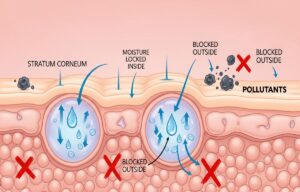
Hot water may feel comforting and give a sense of deep cleansing, but it strips the skin’s natural lipid barrier, causing dehydration and increasing sensitivity.
Proven consequences:
- Compromises skin barrier function
- Increases transepidermal water loss (TEWL)
- Causes redness and sensitization
- Stimulates excessive oil production (as compensation)
- Accelerates appearance of fine lines
Practical solution:
Use lukewarm or cool water to wash your face. The ideal temperature is between 68-77°F (20-25°C). Reserve hot water for body showers, but even then avoid very high temperatures.
3. Over-Exfoliating Your Skin
The “intensive skincare” culture has led many people to the opposite extreme: excessive exfoliation. Using acids daily without guidance or combining multiple exfoliants can destroy the skin barrier.
Signs of over-exfoliation:
- Persistent redness
- Burning or stinging sensation
- Extremely sensitive skin to products
- Excessive flaking
- Increased acne and inflammation
Recommended frequency by skin type:
| Skin Type | Physical Exfoliation | Chemical Exfoliation |
|---|---|---|
| Oily | 2-3x week | 3-4x week |
| Combination | 1-2x week | 2-3x week |
| Dry | 1x week | 1-2x week |
| Sensitive | Avoid | 1x week (gentle) |
Important: Never combine physical and chemical exfoliation on the same day, and always use reinforced sunscreen after chemical exfoliation.
4. Not Removing Makeup Before Bed
Sleeping with makeup is one of the most harmful habits for skin. During the night, skin enters repair mode—a process that’s severely compromised when pores are clogged.
What happens when you sleep with makeup:
- Blocks natural cell renewal process
- Accumulation of free radicals on skin
- Pore clogging leading to acne and blackheads
- Accelerated collagen degradation
- Dryness and loss of luminosity
Studies show that a single night without removing makeup can age skin by up to 3 days. Repeating this mistake regularly has a devastating cumulative effect.
Ideal removal routine:
- First step: use micellar water, cleansing oil, or balm to dissolve makeup
- Second step: wash with cleanser appropriate for your skin type
- Third step: apply toner to balance pH
- Finish with night moisturizer
5. Using Products Unsuitable for Your Skin Type
Copying the skincare routine of influencers or friends without considering your specific skin type is an extremely common mistake. What works for oily skin can severely dehydrate dry skin, and vice versa.
Identifying your skin type:
Oily skin: excessive shine, enlarged pores, acne tendency
Dry skin: tight feeling, flaking, rough texture
Combination skin: oily T-zone, normal or dry cheeks
Sensitive skin: easy redness, burning, reactivity to products
Mistakes by skin type:
- Oily skin using very heavy products → clogging and acne
- Dry skin using aggressive astringents → severe dehydration
- Sensitive skin using too many actives → chronic inflammation
Professional tip: Get an evaluation from a dermatologist to precisely identify your skin type and possible conditions like rosacea or dermatitis, which require specific care.
6. Applying Products in the Wrong Order
The application sequence of skincare products directly impacts their effectiveness. The general rule is to apply from thinnest to thickest, but there are important exceptions.
Why order matters:
Thinner products penetrate better on clean skin. If you apply a thick cream first, you create a barrier that prevents absorption of serums and treatments applied afterward. This means wasting expensive products and not getting expected benefits.
7. Neglecting the Eye Area
The skin around the eyes is 40% thinner than the rest of the face and has no sebaceous glands. This area shows signs of aging up to 10 years before the rest of the face.
Common eye area mistakes:
- Using regular face cream (too heavy and can cause puffiness)
- Applying too close to eyes
- Pulling skin during application
- Not using sunscreen specific to the area
How to care correctly:
Use an eye-specific cream, applying with the ring finger (which exerts less pressure) in gentle patting motions, never rubbing. Apply on the orbital bone area, not directly on mobile eyelids.
Effective ingredients for eye cream include: caffeine (reduces puffiness), peptides (stimulate collagen), hyaluronic acid (hydration), vitamin K (dark circles), and niacinamide (evening).
8. Combining Incompatible Active Ingredients
Enthusiasm for skincare sometimes leads to simultaneous use of ingredients that don’t work well together or even neutralize each other. This inadequate “chemical layering” can cause severe irritation.
Combinations you should avoid:
| Ingredient 1 | Ingredient 2 | Why to avoid |
|---|---|---|
| Retinol | Vitamin C | Different pHs, reduces efficacy |
| Retinol | AHA/BHA | Excessive irritation |
| Vitamin C | Niacinamide | Controversial debate, but can cause redness in sensitive skin |
| Benzoyl Peroxide | Retinol | Cancels out each other’s effects |
Powerful combinations that work:
- Vitamin C (morning) + Retinol (night)
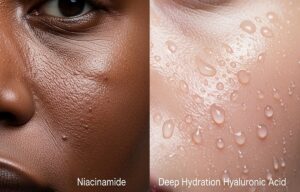
- Niacinamide + Hyaluronic acid
- Peptides + Antioxidants
- Ceramides + Hyaluronic acid
Golden rule: Introduce one new active at a time, waiting at least 2 weeks before adding another. This allows you to identify what works and what causes reactions.
9. Ignoring Neck and Chest
“The face ends at the bust,” as experienced dermatologists say. Neck and chest are frequently neglected areas that reveal age quickly.
Why these areas age faster:
- Thinner skin with fewer sebaceous glands
- Constant movement (neck)
- Sun exposure without adequate protection
- Lack of structural support
Signs of aging on neck and chest:
- Horizontal lines (“tech neck” or “necklace lines”)
- Sagging and loss of firmness
- Spots and hyperpigmentation
- Irregular and crepey skin texture
Effective solution:
Extend all products you use on your face down to your chest, in upward movements. Use sunscreen religiously on these areas. Consider neck-specific creams containing firming agents like DMAE, peptides, and retinol.
10. Constantly Switching Products
The search for the “perfect routine” leads many people to switch products every few weeks. This inconsistency prevents you from seeing real results and can cause reactions from constant introduction of new ingredients.
Time needed to see results:
- Moisturizers: 2-4 weeks
- Vitamin C: 4-8 weeks
- Retinol: 12-16 weeks
- Acids (AHA/BHA): 4-6 weeks
- Anti-aging treatments: 3-6 months
How to build a sustainable routine:
- Identify your main concerns (maximum 2-3)
- Choose products with proven ingredients for these concerns
- Introduce new products gradually
- Give at least 8-12 weeks before evaluating efficacy
- Take progress photos for objective comparison
Important exception: If a product causes irritation, intense redness, or allergic reaction, discontinue immediately.
11. Not Adjusting Routine According to Seasons
Your skin has different needs in summer and winter. Maintaining the same routine year-round can lead to imbalances and accelerate aging.
Recommended seasonal adjustments:
Summer:
- Lighter textures (gels, lotions)
- More water-resistant sunscreen
- Increased exfoliation frequency (greater perspiration)
- Oil-free products to avoid excessive shine
- Hyaluronic acid-based hydration
Winter:
- Richer textures (creams)
- Facial oils to reinforce skin barrier
- Reduced exfoliation frequency
- Extra attention to hydration
- Room humidifier
Important: Even in winter, sunscreen is essential. UVA rays (responsible for aging) are present year-round.
12. Neglecting Internal Hydration and Sleep
Skincare isn’t just what you apply on your skin it’s also how you care for your body from the inside out. Dehydration and sleep deprivation have devastating visible effects on skin.
Impact of dehydration:
When the body is dehydrated, skin is one of the last organs to receive water, as it’s not vital for survival. This results in:
- Accentuation of fine lines and wrinkles
- Loss of elasticity
- Dull and tired appearance
- Compromised barrier function
Hydration goal: Approximately half your body weight in ounces of water daily (e.g., 150 lbs = 75 oz water).
Impact of inadequate sleep:
During deep sleep (stages 3 and 4), the body produces growth hormone that stimulates cell renewal and collagen production. Chronic sleep deprivation:
- Reduces collagen production by up to 30%
- Increases cortisol (stress hormone that degrades collagen)
- Compromises skin barrier
- Accentuates dark circles and puffiness
- Accelerates aging at cellular level
Also read: Eisenberg face mask: complete guide for benefits, ingredients & real results (2026)
Essential Anti-Aging Ingredients You Should Be Using
To combat aging effectively, certain ingredients have robust scientific backing:
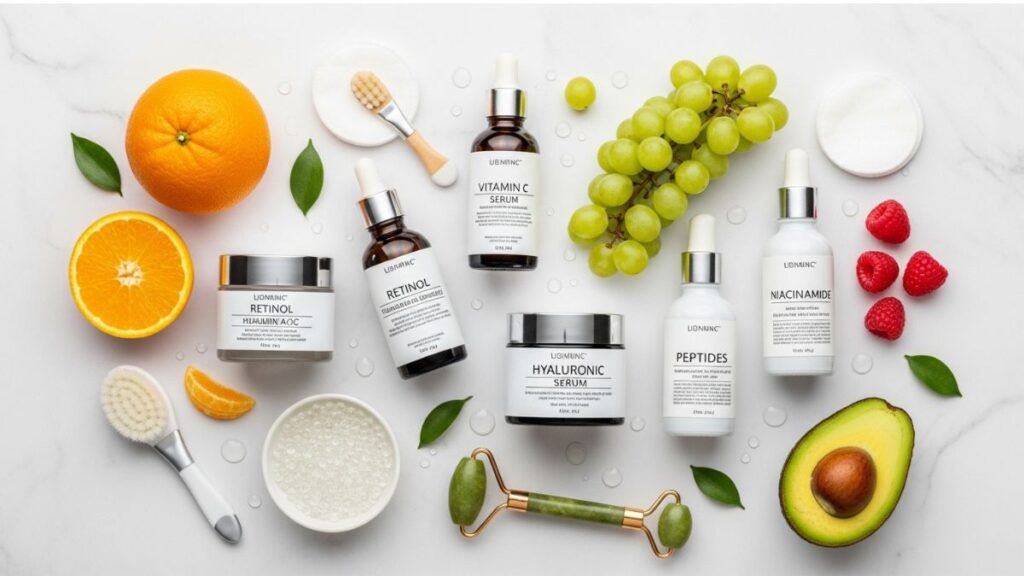
Retinoids (Retinol and derivatives)
Considered the “gold standard” anti-aging by the dermatological community.
Proven benefits:
- Stimulates collagen production
- Accelerates cell renewal
- Reduces fine lines and wrinkles
- Improves skin texture and tone
- Unclogs pores
How to use: Start with low concentration (0.025-0.05%), applying 2-3x per week at night. Gradually increase as tolerance builds. Always use sunscreen during the day.
Vitamin C (L-ascorbic acid)
Powerful antioxidant that protects against free radical damage.
Benefits:
- Neutralizes free radicals
- Stimulates collagen synthesis
- Evens skin tone
- Reduces hyperpigmentation
- Potentiates sunscreen action
Effective concentration: 10-20% in stable formula (pH between 2.5-3.5).
Hyaluronic Acid
Exceptional humectant that can hold up to 1000x its weight in water.
Benefits:
- Deep hydration
- Temporary plumping of fine lines
- Improves elasticity
- Suitable for all skin types
Tip: Apply on damp skin to maximize absorption.
Niacinamide (Vitamin B3)
Versatile ingredient suitable even for sensitive skin.
Benefits:
- Strengthens skin barrier
- Reduces pores
- Controls oiliness
- Evens tone
- Anti-inflammatory properties
Ideal concentration: 2-10%
Peptides
Short chains of amino acids that signal collagen production.
Benefits:
- Stimulate collagen and elastin synthesis
- Improve firmness
- Reduce appearance of lines
- Support skin repair
Most effective: Matrixyl (palmitoyl pentapeptide-4) and Argireline (acetyl hexapeptide-8).
When to Consult a Dermatologist
While good at-home skincare practices are fundamental, certain situations require professional evaluation:
Consult a dermatologist if:
- You have persistent or severe acne
- Notice changes in moles or spots
- Experience frequent allergic reactions or irritations
- Want to start prescribed retinoid treatments
- Have conditions like rosacea, dermatitis, or psoriasis
- Desire professional treatments (laser, peels, microneedling)
- Have specific aging concerns that OTC products don’t resolve
Regular dermatological consultation (at minimum annually) is an essential part of aging prevention and early detection of skin problems, including skin cancer.
Common Myths About Skincare and Aging
Myth 1: “Expensive products always work better”
Reality: Price doesn’t guarantee efficacy. What matters are active ingredients, concentration, and formulation. Drugstore brands can contain the same actives as luxury brands.
Myth 2: “You only need anti-aging after 30”
Reality: Prevention starts early. Sunscreen from childhood and good skincare habits from the 20s make a significant difference in following decades.
Myth 3: “Oily skin doesn’t need moisturizer”
Reality: Oily skin can be dehydrated. Skipping moisturizer can increase sebum production as a compensatory mechanism. Use oil-free or gel moisturizers.
Myth 4: “Natural products are always safer”
Reality: Natural doesn’t automatically mean safe or effective. Some natural ingredients can be irritating or allergenic. Synthetic ingredients undergo rigorous safety testing.
Myth 5: “Sunscreen is only necessary when it’s sunny”
Reality: Up to 80% of UV rays penetrate clouds. UVA rays (aging) are present even on cloudy days and pass through glass.
Conclusion
Skincare mistakes that accelerate aging are surprisingly common, but the good news is they’re all correctable. Small consistent changes in your routine can have a dramatic impact on your skin’s health and appearance over the years.
Remember: effective skincare doesn’t need to be complicated or expensive. The essentials are:
Daily sun protection (non-negotiable)
Proper cleansing (without excess)
Hydration (internal and external)
Proven active ingredients (retinol, vitamin C, hyaluronic acid)
Consistency (results take time)
Patience (your skin deserves care, not impulsive experiments)
Transform your routine by correcting one mistake at a time. Start with the most impactful daily sunscreen and gradually build sustainable habits. Your skin at 40, 50, 60 years will thank you for the decisions you make today.
And never forget: this content is informational. For personalized guidance considering your unique skin characteristics, specific conditions, and goals, consult a board-certified dermatologist.
Frequently Asked Questions (FAQ)
1. At what age should I start using anti-aging products?
Prevention can begin in your 20s with daily sunscreen and antioxidants like vitamin C. Retinoids can be introduced between 25-30 years, depending on individual needs. Most important is sun protection from childhood to prevent cumulative damage.
2. How long does it take to see results from a skincare routine?
Depends on the product and concern being treated. Hydration improves in 2-4 weeks, vitamin C shows results in 4-8 weeks, retinol requires 12-16 weeks, and deeper anti-aging treatments can take 3-6 months for visible results. Consistency is key.
3. Can I use retinol and vitamin C together?
Yes, but not necessarily at the same time. The classic recommendation is to use vitamin C in the morning (potentiates sun protection) and retinol at night (when there’s no UV exposure). Using together can cause irritation in sensitive skin due to pH differences.
4. Is it possible to reverse aging signs or only prevent them?
Both. Ingredients like retinoids and vitamin C demonstrate ability to improve existing signs (reduce fine lines, spots, improve texture) in addition to preventing new damage. Results vary according to age, genetics, and severity of signs. Advanced cases may require dermatological procedures.