Thinking about fueling your body with plants to get stronger? It’s totally doable! Forget the idea that you need meat to build muscle or keep your joints happy. Turns out, a lot of plant-based foods naturally pack the nutrients your body craves for muscle growth, joint support, and overall fitness. We’re talking about foods that can help you recover faster, feel less sore, and keep you energized for your workouts. Let’s explore some of the best plant-based foods that naturally strengthen muscles and joints.
Key Takeaways
- Plant-based proteins like seitan, soybeans, and hemp seeds are excellent for muscle growth, offering complete amino acid profiles.
- Antioxidant-rich berries and omega-3 sources like seeds and nuts help manage inflammation and support joint health.
- Whole grains and starchy vegetables provide sustained energy for workouts and aid in replenishing glycogen stores post-exercise.
- Proper hydration is vital for joint lubrication and overall muscle function and recovery.
- Combining diverse plant foods ensures you get a wide range of nutrients to support muscle repair and reduce soreness.
Plant-Powered Protein Sources For Muscle Growth
Building muscle on a plant-based diet protein might sound tricky to some, but it’s totally doable and can be really effective. A lot of folks worry that going vegan means sacrificing muscle gains, but that’s just not the case if you know what to eat. The real trick is focusing on the right plant foods that pack a protein punch.
Plant proteins bring more to the table than just amino acids. They often come with fiber, antioxidants, and other good stuff that helps your body recover and stay healthy overall. Studies show that a well-planned vegan diet can definitely support muscle growth, as long as you’re smart about your protein choices.
Understanding Complete Versus Incomplete Plant Proteins
When you’re trying to build muscle, the quality of your protein matters just as much as how much you’re getting. Your body needs nine specific amino acids to build new muscle tissue. Animal proteins usually have all of these, but guess what? Plenty of plant foods do too!
- Complete proteins have all the essential amino acids your body needs. Think quinoa, hemp seeds, and soy products – they’re like the all-stars of plant-based protein.
- Incomplete proteins might be missing one or more of those key amino acids. But don’t sweat it! You can easily make them complete by pairing them with other foods throughout the day. Your body is pretty smart and pools amino acids over a 24-hour period, so you don’t need to stress about combining them at every single meal.
Maximizing Protein Absorption Through Preparation
How your body uses plant protein can be a bit different from animal protein. Some plant foods have fiber and other compounds that can slow things down a little. This isn’t always a bad thing, though; a slower release of protein can mean a steadier supply of amino acids for muscle repair.
Techniques like sprouting, fermenting, and cooking can really help make plant proteins easier for your body to use. These methods break down things that might get in the way and make those amino acids more available. That’s why fermented soy foods, for example, are often considered top-tier vegan protein sources.
Soybeans: A Complete Amino Acid Powerhouse
Soybeans are a real standout in the plant-based world. Dried soybeans offer a massive amount of protein, around 36 grams per 100g, and they’re one of the few plant foods that boast a complete amino acid profile, rivaling even animal proteins. Even fresh edamame is a good source, with about 11 grams per 100g.
Research has shown that soy protein can be just as effective as whey protein when it comes to supporting muscle growth. Plus, the isoflavones found in soy might offer extra recovery perks due to their anti-inflammatory effects. It’s a versatile food, too – think tofu, tempeh, and edamame, all great ways to get your soy protein in.
Essential Nutrients For Joint Health And Resilience
Keeping your joints happy and healthy is just as important as building strong muscles. Think of them as the hinges on a door – if they get stiff or inflamed, everything else suffers. Luckily, the plant kingdom offers some fantastic ways to support joint resilience.
Antioxidant-Rich Berries For Inflammation Control
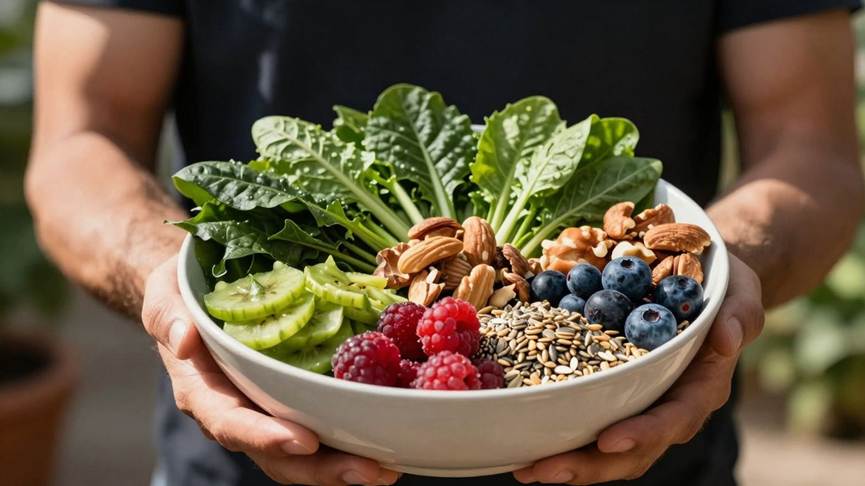
Inflammation can really do a number on your joints, making them ache and feel stiff. That’s where berries come in. They’re packed with antioxidants, particularly compounds called anthocyanins, which give them their vibrant colors. These little powerhouses help fight off the cellular damage that can lead to inflammation.
- Blueberries: Small but mighty, loaded with anthocyanins.
- Raspberries: Offer a good mix of antioxidants and fiber.
- Strawberries: Contain ellagic acid, another helpful antioxidant.
- Blackberries: Rich in vitamin C and other beneficial plant compounds.
Aim to include a variety of these in your diet. A handful a day can make a difference.
Omega-3 Fatty Acids From Seeds And Nuts
When we talk about healthy fats, omega-3s are the stars for joint health. They’re known for their anti-inflammatory properties, which can help soothe achy joints. While fatty fish often gets the spotlight, you can get plenty of these beneficial fats from plant sources too.
- Flaxseeds: A tiny powerhouse, best consumed ground to help your body absorb the omega-3s.
- Chia Seeds: Easy to add to smoothies or make into pudding, they’re a great source of ALA omega-3s.
- Walnuts: A tasty snack that provides a good dose of plant-based omega-3s.
Incorporating these seeds and nuts regularly can contribute to a more comfortable and mobile you. It’s not just about the omega-3s; they also bring fiber and other minerals that support overall health.
Hydration’s Role In Joint Lubrication
This one might seem obvious, but it’s often overlooked. Water is absolutely vital for keeping your joints lubricated and functioning smoothly. Think of it like oil for your joints – without enough, they can become dry and less flexible, leading to discomfort.
- Water: Your primary source. Aim for consistent intake throughout the day.
- Herbal Teas: Unsweetened herbal teas can contribute to your daily fluid intake.
- Water-Rich Fruits & Vegetables: Foods like cucumber, celery, and watermelon also add to your hydration levels.
Staying properly hydrated helps maintain the synovial fluid that cushions your joints. Don’t wait until you’re thirsty to drink; sip water consistently, especially before, during, and after physical activity.
Carbohydrates To Fuel Your Workouts And Recovery

Whole Grains For Sustained Energy Release
When you’re hitting the gym or going for a long run, your body needs fuel. Carbohydrates are your primary energy source, and choosing the right kind makes a big difference. Whole grains are fantastic for this because they break down slowly, giving you a steady stream of energy. Think brown rice, quinoa, and oats. They’re packed with fiber, which helps keep you feeling full and prevents those energy crashes you get from sugary snacks. This sustained energy release is key for powering through tough workouts and helping your body recover afterward.
Starchy Vegetables For Glycogen Replenishment
After a hard workout, your muscles are depleted of glycogen, which is basically stored energy. Replenishing these stores is super important for recovery and getting ready for your next session. Starchy vegetables like sweet potatoes, butternut squash, and regular potatoes are great for this. They’re not just carbs; they also come with vitamins and minerals that help your body out. Eating a good portion of these after exercise can really help your muscles bounce back.
Here’s a quick look at some good options:
- Sweet Potatoes: Loaded with complex carbs and vitamins.
- Butternut Squash: Offers carbs along with vitamin A.
- Potatoes (with skin): A good source of potassium and carbs.
- Oats: Great for breakfast or a post-workout meal, providing slow-release energy.
The Importance Of Post-Workout Fueling
What you eat right after exercising plays a big role in how well your muscles recover. Combining carbohydrates with protein is a winning strategy. The carbs help refill your glycogen stores, and the protein provides the building blocks your muscles need to repair themselves. Don’t wait too long to refuel; aim to get some good food in within an hour or two after you finish your workout. This helps kickstart the recovery process and can reduce that next-day soreness.
Paying attention to your post-workout nutrition can make a noticeable difference in how you feel and perform. It’s not just about the intensity of your workout, but also about supporting your body’s repair mechanisms with the right foods.
Versatile Plant Foods That Build Strength
Building muscle on a plant-based diet is totally doable, and honestly, pretty powerful. A lot of folks get hung up on whether vegan foods can cut it for serious muscle gains, but that’s just not the case if you know what to look for. The real trick is focusing on plant-based foods that pack a serious protein punch, especially when you look at their protein content per 100 grams. These aren’t just about amino acids, either; they come loaded with fiber, antioxidants, and minerals that help with recovery and just keep you feeling good overall.
Seitan: The Wheat Gluten Champion
Seitan is a real standout when it comes to plant-based protein. It’s made from wheat gluten, and it’s been a staple in Asian cooking for ages. What makes it so great for building strength is its incredibly high protein content – we’re talking around 25 grams per 100g. It has this satisfyingly chewy texture, kind of like meat, which makes it a fantastic substitute in all sorts of dishes. Plus, its flavor is pretty neutral, so it soaks up marinades and spices like a sponge. You can grill it, stir-fry it, or bake it; it’s super adaptable.
Legumes: Beans and Lentils for Protein
Don’t underestimate the humble bean or lentil! These are absolute powerhouses for plant-based protein and are incredibly budget-friendly. They offer a good amount of protein, often around 7-10 grams per half-cup cooked, depending on the type. They also bring complex carbohydrates to the table, which are important for energy during workouts, and a good dose of fiber. Think about adding black beans to your salads, lentils to your soups, or chickpeas to your roasted veggie bowls. They’re versatile and can really bulk up a meal while providing sustained energy.
Hemp Seeds: Tiny Nutritional Powerhouses
These little seeds might be small, but they pack a serious nutritional punch, especially when it comes to protein. Hemp seeds deliver about 31 grams of protein per 100g, and importantly, they contain all nine essential amino acids, making them a complete protein source. They’re also a good source of healthy fats and minerals. A couple of tablespoons sprinkled on your oatmeal, yogurt, or blended into a smoothie can significantly boost your protein intake without drastically changing the taste or texture of your food. They’re particularly noted for their arginine content, an amino acid that helps with blood flow, which is pretty neat for muscle recovery.
Foods That Support Muscle Repair And Reduce Soreness
After a tough workout, your muscles might feel a bit beat up. That’s totally normal! But what you eat can make a big difference in how quickly they bounce back and how sore you feel. It’s all about giving your body the right building blocks and anti-inflammatory helpers.
Pomegranate Juice For Polyphenol Benefits
Pomegranate juice is packed with these cool plant compounds called polyphenols. They’re like little helpers that can calm down inflammation in your body. Some studies suggest that drinking pomegranate juice, maybe around 250 ml a day for a week or so, could help with muscle recovery and soreness after exercise. It seems to give your body’s natural antioxidants a boost, which is a good thing when you’re pushing your limits.
Nuts And Seeds For Healthy Fats
Don’t forget about nuts and seeds! They’re not just good for a quick snack; they also bring healthy fats to the table. These fats can play a role in how your muscles recover. Think of them as part of the team that helps your body get back to normal after you’ve worked it hard.
The Role Of Protein In Muscle Mending
Protein is the real MVP when it comes to fixing muscles. After you exercise, your muscle fibers have tiny tears, and protein provides the amino acids your body needs to patch them up. Getting enough protein, especially after a workout, gives your body the materials it needs to rebuild and get stronger. Aiming for about 1.4–2.0 grams of protein per kilogram of your body weight each day is a good target if you’re active.
Eating a balanced diet is key. While specific foods can help, focusing on whole, nutrient-dense options overall will give your body the best support for recovery and muscle repair. Don’t forget to drink enough water too; it’s super important for everything your body does, including getting your muscles back in shape.
Wrapping It Up
So, there you have it. Building stronger muscles and keeping your joints happy doesn’t have to mean a lifetime of chicken breasts and protein shakes if that’s not your thing. Turns out, the plant kingdom is packed with all sorts of goodies that can help you out. From hearty legumes to seeds and grains, you’ve got plenty of options to fuel your workouts and help your body recover. Remember, it’s all about putting together a balanced plate with a variety of these foods. Don’t forget to drink your water, too! Listen to your body, find what works for you, and enjoy the journey to a stronger, healthier you, powered by plants.
Frequently Asked Questions
Can I really build muscle eating only plant-based foods?
Absolutely! Many plant foods are packed with protein, which is key for building muscle. Think beans, lentils, tofu, tempeh, nuts, seeds, and even some grains. The trick is to eat a variety of these foods to make sure you get all the building blocks your muscles need.
What’s the difference between complete and incomplete plant proteins?
Complete proteins have all the essential amino acids your body needs, like soy or quinoa. Incomplete proteins are missing one or more. But don’t worry! By eating a mix of different plant proteins throughout the day, your body can get all the amino acids it requires. It’s like collecting puzzle pieces from different boxes to complete the picture.
How can I make sure my body uses plant protein well?
Simple preparation methods can help! Soaking beans and grains before cooking, or choosing options like tempeh (which is fermented), can make them easier for your body to digest and use. Eating a variety of plant proteins also ensures you get a good mix of nutrients.
Are there plant foods that help with sore muscles and joint pain?
Yes! Foods rich in antioxidants, like berries, can help fight inflammation that causes soreness. Omega-3 fatty acids found in seeds like flax and chia, and in walnuts, are also great for reducing inflammation. Staying hydrated is crucial too, as water helps keep your joints moving smoothly.
What plant foods give me energy for workouts?
Whole grains such as oats, brown rice, and quinoa are fantastic for providing steady energy. Starchy vegetables like sweet potatoes and potatoes are also great for fueling your muscles and replenishing energy stores after exercise. Eating these before and after workouts can make a big difference.
Besides protein, what other nutrients are important for muscle and joint health? It’s a team effort! Healthy fats from nuts and seeds help with repair and reduce inflammation. Antioxidants from colorful fruits and veggies protect your cells. And don’t forget hydration – water is essential for everything, including keeping your joints lubricated and muscles working right.