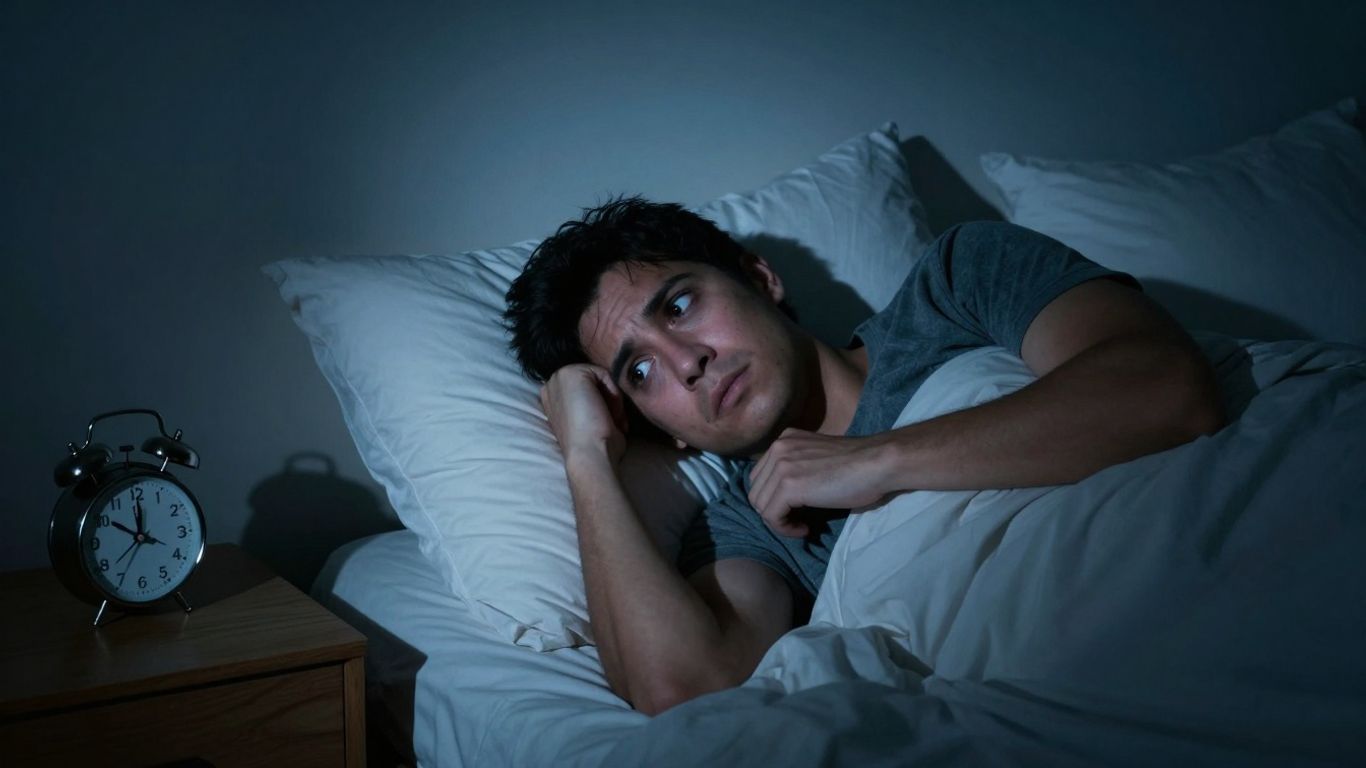
We all want a good night’s sleep, right? But sometimes, without even realizing it, we do things that mess with our rest. It’s like our own habits are working against us. This article looks at some common 10 habits that may be sabotaging your sleep, and what you can do about them. Let’s see if any of these sound familiar.
Key Takeaways
- Eating heavy meals or drinking caffeine and alcohol too close to bedtime can disrupt your sleep cycle.
- Late-night screen time and even watching the news can keep your mind too active to fall asleep.
- Napping too late in the day or having an irregular sleep schedule throws off your body’s natural rhythm.
- Not having a proper bedtime routine and worrying can make it hard to wind down.
- Your sleep environment matters keep it cool, dark, and clean for the best rest.
1. Consuming Large, Heavy Meals
That late-night pizza or giant bowl of pasta might seem like a good idea after a long day, but it could be messing with your sleep. Your body isn’t really designed to digest a huge meal right before you hit the hay. Digestion slows down when you’re asleep, so if you’ve just eaten a lot, your system is going to be working overtime instead of letting you rest.
Think about it: your digestive tract is supposed to be winding down, not gearing up for a marathon. This can lead to discomfort, indigestion, and even heartburn, all of which are pretty good at keeping you awake.
Here’s a quick rundown of why it’s a problem:
- Digestive Upset: Heavy foods take longer to break down, leading to bloating and discomfort.
- Acid Reflux: Lying down after a big meal can make it easier for stomach acid to come back up.
- Energy Expenditure: Your body uses energy to digest, which can interfere with the natural process of falling asleep.
It’s generally recommended to finish your last big meal at least two to three hours before you plan to sleep. If you absolutely must eat closer to bedtime, opt for something light and easily digestible. A small snack like a banana or a handful of almonds is usually a better choice than a full on feast. Trying to avoid heavy meals before bed is a simple change that can make a big difference in how well you sleep quality.
Your body needs time to transition from active digestion to rest. Pushing it with a massive meal right before bed is like asking a sprinter to run a marathon without any warm-up it’s just not going to go smoothly.
2. Sipping Caffeinated Beverages
That afternoon pick-me-up from coffee or an energy drink might feel great in the moment, but it could be seriously messing with your sleep later on. Caffeine is a sneaky stimulant. It doesn’t just wake you up; it actually delays the release of melatonin, the hormone your body uses to signal that it’s time to wind down. This means that even if you feel tired, your brain is still getting the message to stay alert.
Think about caffeine’s half-life. For most people, it’s around six to eight hours. So, that 3 p.m. latte could still be buzzing in your system at 9 or 10 p.m., making it tough to drift off. Studies have shown caffeine can cut down total sleep time by nearly 45 minutes and reduce how efficiently you sleep by about 7 percent. It’s a significant impact.
Here’s a simple guideline:
- Avoid coffee, tea, soda, and energy drinks after lunchtime.
- If you must have something caffeinated later, try to finish it at least six hours before you plan to go to bed.
- Be mindful of hidden caffeine in things like chocolate or some pain relievers.
It’s not just about falling asleep; it’s about the quality of sleep you get. Caffeine can leave your body too stimulated to enter those deep, restorative sleep stages, leading to that groggy feeling the next day, which then makes you crave more caffeine. It’s a cycle that’s hard to break.
So, next time you reach for that afternoon brew, consider if it’s worth the potential cost to your night’s rest.
3. Evening Cocktails
So, you had a couple of drinks after dinner to unwind. It might feel like it’s helping you relax and drift off, but that “nightcap” could be messing with your sleep quality later on. While alcohol can make you feel drowsy initially, it actually messes with your sleep cycles. It tends to suppress REM sleep, which is the stage where your brain does a lot of its important work, like processing memories and emotions. This means you might not be getting the truly restful sleep you need.
Plus, as the alcohol wears off, it can actually wake up your body’s stress response, making it harder to stay asleep in the early morning hours. Some people even report more vivid or disturbing dreams as the alcohol leaves their system – a phenomenon sometimes called REM rebound.
Here’s a rough idea of how long it takes your body to process alcohol:
- 1 standard drink: About 1 hour
- 2 standard drinks: About 2-3 hours
To give your body enough time to process that drink before bed, try to finish your last alcoholic beverage at least three hours before you plan to turn in. This gives your system a chance to clear out, so it’s less likely to interfere with your sleep later in the night.
4. Smoking
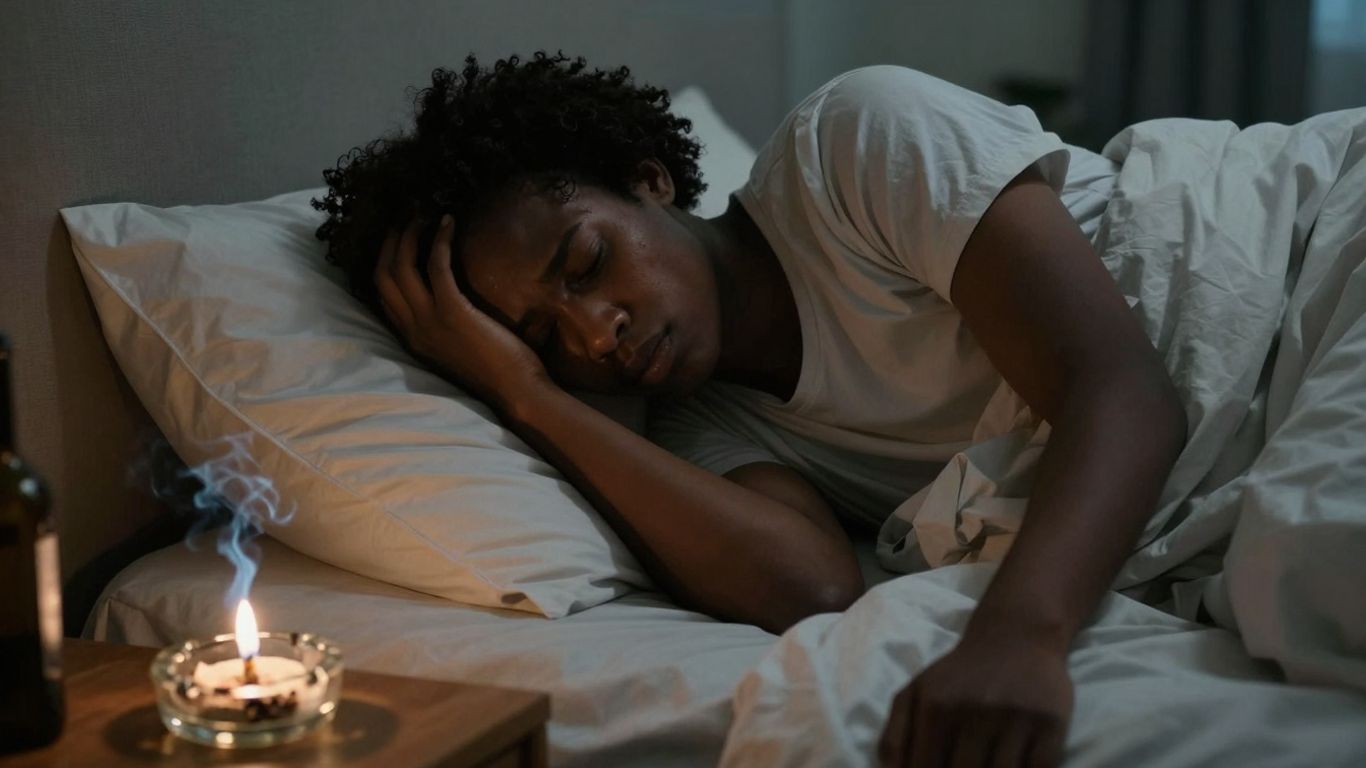
It’s no secret that smoking is bad for your health, but did you know it’s also messing with your sleep? That’s right, the nicotine in cigarettes is a stimulant. It gets your brain fired up when it should be winding down.
Nicotine works by boosting a neurotransmitter called acetylcholine. This chemical is all about keeping you alert. So, if you’re lighting up, especially close to bedtime, you’re basically telling your brain to stay awake. Even nicotine patches can cause issues if they’re keeping your system buzzing.
If you’re a smoker trying to improve your sleep, cutting back or quitting is a big step. Even reducing your intake can make a difference. Talk to your doctor about strategies that might help you quit or manage nicotine withdrawal symptoms, especially around bedtime.
Here’s a quick look at how nicotine affects your sleep:
- Stimulates the brain: Nicotine increases alertness and makes it harder to fall asleep.
- Disrupts sleep cycles: It can lead to more fragmented sleep and less time spent in deep, restorative stages.
- Withdrawal symptoms: If you’re a regular smoker, nicotine withdrawal can also cause sleep disturbances.
The takeaway? If you’re struggling to get a good night’s rest, consider how smoking might be playing a role. It’s just another good reason to think about kicking the habit.
5. Drinking Too Much Water
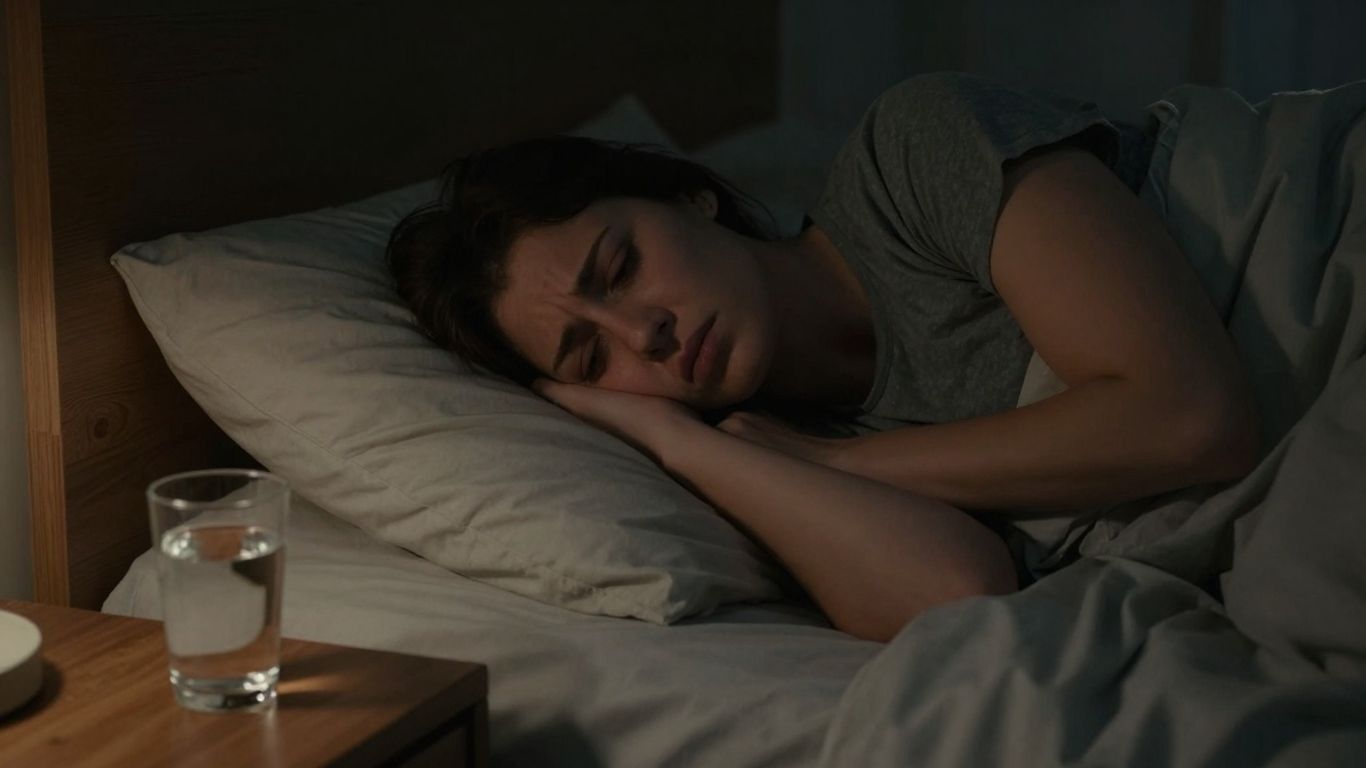
Okay, so we all know staying hydrated is super important, right? But here’s the thing: chugging water right before you hit the pillow can seriously mess with your sleep. It’s all about timing your fluid intake. If you down a big glass of water just before bed, you’re pretty much setting yourself up for a midnight bathroom run. And those trips? They totally break up your sleep cycles, especially the deep, restorative kind.
Think about it: your body needs to rest, not constantly signal that it needs to, well, you know. Waking up multiple times a night because you’re thirsty or need to pee is a surefire way to feel groggy the next day. It’s like hitting the snooze button on your body’s recovery.
Here’s a simple strategy to avoid this:
- Start cutting back on fluids about two hours before your planned bedtime.
- Make sure you’re drinking enough water throughout the day, so you’re not feeling parched in the evening.
- If you’re really thirsty right before bed, opt for just a few sips rather than a whole glass.
It might seem like a small change, but it can make a big difference in how uninterrupted your sleep feels. You want your body to focus on resting, not on bathroom breaks. So, be mindful of that last big drink of water and try to stop drinking fluids a couple of hours before you plan to sleep.
6. Napping Too Close to Bedtime
Taking a nap can feel like a lifesaver, especially when you’re dragging in the afternoon. But if you’re dozing off too late in the day, it might be the reason you’re tossing and turning at night. The closer your nap is to your actual bedtime, the harder it can be to fall asleep.
Think about it like this: your body has a natural sleep drive that builds up throughout the day. When you nap, you essentially reduce that drive. So, if you take a nap just a few hours before you plan to hit the hay, your body might not feel tired enough to drift off.
Timing is everything when it comes to naps.
Here’s a general guideline:
- Short naps (20-30 minutes): These are usually fine earlier in the afternoon. They can give you a nice energy boost without messing too much with your nighttime sleep.
- Longer naps (over an hour): These are more likely to cause problems, especially if taken later in the day.
- Napping within 6 hours of bedtime: This is where things can get tricky. It significantly lowers your sleep drive, making it harder to fall asleep when you actually want to.
If you’re struggling with sleep at night, try to shift your naps to earlier in the day or skip them altogether. Your body needs that built-up sleep pressure to fall asleep soundly at night.
So, while a midday snooze can be great, be mindful of when you take it. If you’re consistently having trouble sleeping, your afternoon nap might be the culprit.
7. Late Workouts
So, you finally carved out time for that workout. Awesome! But if it’s right before you plan to hit the hay, it might be doing more harm than good. Getting your heart rate up too close to bedtime can actually make it harder to fall asleep. Your body temperature rises during exercise, and while it eventually drops, which helps signal sleep, doing this too late means that drop might happen when you’re already trying to drift off.
Think of it this way: your body is getting all revved up, thinking it’s time to be active, not wind down. This can lead to a racing mind and a body that just won’t quit when you want it to. It’s not about avoiding exercise altogether, not at all! It’s just about timing.
Here’s a quick rundown on how to time your workouts for better sleep:
- Aim for morning or early afternoon sessions: This gives your body plenty of time to cool down and relax before bed.
- If evening workouts are your only option, keep them light: Think gentle yoga or a leisurely walk instead of high-intensity interval training.
- Allow at least 2-3 hours between your last intense workout and bedtime: This buffer zone is key for your body to transition into sleep mode.
While exercise is generally fantastic for sleep quality, the timing really matters. Pushing your body too hard right before bed can disrupt the natural sleep process, leaving you feeling wired instead of tired.
If you’re a night owl when it comes to fitness, try shifting your routine. Even a slight adjustment can make a big difference in how quickly you fall asleep and how rested you feel in the morning. Remember, consistency is great, but smart timing is even better when it comes to evening exercise and sleep.
8. Watching The News
It might seem like a good idea to catch up on current events before you hit the hay, but that nightly news habit could be messing with your sleep. Think about it: the news is often filled with upsetting stories, conflicts, and dramatic headlines. This kind of content can really get your mind racing and your stress levels climbing.
The constant stream of information, especially negative or alarming news, can trigger a stress response in your body. This means your brain stays active and alert, making it tough to switch off and drift into sleep. It’s like trying to calm a busy highway down to a quiet country road it just doesn’t happen instantly.
Here’s why it’s a problem:
- Heightened Alertness: News often presents information in a way that grabs your attention, sometimes through sensationalism. This keeps your brain on high alert, the opposite of what you need for sleep.
- Emotional Stirring: Stories about crime, politics, or global crises can evoke strong emotions like anxiety, anger, or sadness. These feelings can linger and make it hard to relax.
- Cognitive Overload: Trying to process complex or disturbing information right before bed can leave your mind feeling cluttered and unable to wind down.
Instead of letting the news dictate your pre-sleep mood, try opting for something more soothing. Think about activities that gently guide your mind away from worries and towards a state of calm. This shift is key to preparing your body and mind for a restful night.
Consider swapping the evening news for a calming podcast, a light-hearted book, or even just some quiet reflection. Your sleep quality will likely thank you for it.
9. Worrying
Our minds can be busy places, especially when we’re trying to switch off for the night. If you find yourself replaying conversations, stressing about tomorrow’s tasks, or just generally letting your thoughts run wild, it’s going to make falling asleep a real challenge. It’s like your brain decides bedtime is the perfect time for a marathon of anxieties.
Trying to quiet a racing mind before bed is a common struggle.
Here’s a simple strategy that can help:
- The Worry Journal: About an hour and a half before you plan to hit the hay, grab a notebook. Write down everything that’s bothering you. List out your to-do items for the next day, jot down any nagging concerns, or just vent your thoughts. The idea is to get these things out of your head and onto paper.
- Schedule Your Worry Time: By dedicating a specific time to think about your worries, you’re essentially telling your brain, “Okay, we’ll deal with this now, but not later when it’s time to sleep.”
- Problem-Solving (If Applicable): For some worries, you might be able to jot down a quick solution or next step. This can make them feel less overwhelming.
Getting these thoughts out of your head and giving them a designated space can really help prevent them from popping up unexpectedly when you’re trying to drift off. It’s about acknowledging them without letting them hijack your sleep.
This practice helps create a mental separation between your waking concerns and your sleep time, making it easier to relax and let go.
10. Hanging Out Under Bright Lights
You know how sometimes you’re just scrolling on your phone or watching TV late at night, and the room is pretty bright? Turns out, that might be messing with your sleep. Light, especially the kind that mimics daylight, tells your brain it’s time to be awake. It does this by messing with melatonin, which is that hormone your body makes to help you feel sleepy. The brighter the light and the closer you are to bedtime, the more it can mess things up.
Think about it: our bodies are pretty tuned into natural light cycles. When it’s dark, melatonin goes up, and we get sleepy. When it’s light, melatonin goes down, and we feel more alert. Artificial lights, particularly those blue-toned ones from screens, are really good at tricking your brain into thinking it’s still daytime, even when it’s midnight.
Here’s a quick rundown of what to watch out for:
- Overhead lights: Bright lamps in your living room or kitchen can be just as disruptive as screen light.
- Screen time: Phones, tablets, computers, and TVs all emit light that can keep you awake.
- Even ambient light: If your bedroom isn’t completely dark, light from streetlights or a digital clock can still affect your sleep quality.
The goal is to signal to your body that it’s time to wind down. This means gradually dimming the lights in your home a couple of hours before you plan to hit the hay. Think softer, warmer lighting instead of harsh, bright overheads.
If you absolutely have to be in a bright environment or share a room with someone who likes to keep the lights on, consider using an eye mask. It’s a simple fix that can make a big difference in blocking out disruptive light and helping you drift off more easily.
11. Screen Use Till Late
We all do it. After a long day, scrolling through social media, catching up on emails, or watching just one more episode feels like the perfect way to unwind. But that glowing screen in your face might be doing more harm than good when it comes to sleep. The blue light these devices emit messes with your body’s natural sleep signals. It tricks your brain into thinking it’s still daytime, which messes with melatonin production, that hormone that tells you it’s time to sleep. This can make it really hard to fall asleep and can leave you feeling groggy the next morning.
It’s not just the light, either. The content you’re consuming can also keep your mind buzzing. Watching something exciting or engaging right before bed can leave you mentally stimulated, making it tough to switch off. Studies have even shown that using screens for more than six hours a day is linked to poorer sleep quality and daytime tiredness.
Here’s a quick rundown of why late-night screen time is a problem:
- Blue Light Emission: Suppresses melatonin, delaying sleep onset.
- Mental Stimulation: Engaging content keeps your brain active.
- Disrupted Circadian Rhythm: Confuses your body’s internal clock.
Try to put away phones, tablets, and laptops at least an hour before you plan to hit the hay. If you absolutely must use a screen, consider using a blue light filter or dimming the brightness significantly. It might feel like a sacrifice at first, but your sleep will thank you.
Instead of screens, maybe try reading a physical book or listening to a podcast. You might find that a calmer wind-down routine helps you drift off much more easily. For more tips on creating a better sleep environment, check out how to make your bedroom ideal.
12. Going To Bed Hungry
You know, it’s a tricky balance, isn’t it? We’re always told not to eat a big meal right before bed, but what about when you’re actually hungry? Turns out, going to bed with a rumbling stomach isn’t great for sleep either. Your body might actually wake you up because your blood sugar has dropped too low. It’s like your system is trying to tell you it needs fuel, and that can be surprisingly disruptive.
When your blood sugar dips, your body can release hormones that are meant to get you moving, not settling down for the night. It’s a bit counterintuitive, but that hunger pang could be the reason you’re tossing and turning. Instead of just ignoring it, consider a small, sleep-friendly snack. Something light that won’t sit heavy in your stomach but will help keep your blood sugar steady. Think a small banana or a few almonds. It’s about finding that sweet spot between being too full and being too empty. If you’re struggling with nighttime hunger, it might be worth looking into sleep-friendly snacks that are designed for this exact purpose. It’s a small adjustment that can make a big difference in how well you rest.
13. Not Having A Bedtime Routine
You know how kids need a routine to wind down before bed? Turns out, we adults aren’t so different. Skipping a consistent wind-down period before sleep can really mess with your body’s signals. It’s like trying to go from zero to sixty in an instant – your brain and body just aren’t ready for that abrupt shift.
Think about it. You’re probably busy right up until you hit the pillow, maybe scrolling on your phone or worrying about tomorrow. That’s not exactly a recipe for peaceful sleep. Establishing a calming sequence of activities can tell your system, ‘Hey, it’s time to relax now.’
Here are a few ideas to get you started:
- Read a book (a physical one, not on a screen!)
- Listen to some quiet music or a podcast
- Do some light stretching or gentle yoga
- Take a warm bath or shower
- Journal your thoughts or make a to-do list for the next day
The key is to find activities that genuinely help you de-stress and transition from the day’s demands to a state of rest. It doesn’t have to be complicated, just consistent.
Even just 20-30 minutes dedicated to this can make a big difference. It’s about creating a buffer zone between your awake life and your sleep time, signaling to your brain that it’s time to power down.
14. Sleeping On Dirty Sheets
Okay, let’s talk about something we probably all do sometimes: not changing the sheets as often as we should. Life gets busy, right? But those sheets you’re sleeping on might be doing more harm than good to your sleep.
Think about it. Every night, your sheets collect sweat, body oils, dead skin cells, and hair. Over time, this creates a cozy environment for dust mites, allergens, and bacteria to multiply. For anyone who deals with allergies or sensitive skin, this can be a real problem, leading to itchiness and irritation that makes falling and staying asleep a challenge. Clean linens are more than just a comfort; they’re a key part of a healthy sleep space.
Here’s why keeping your sheets clean matters:
- Allergen Buildup: Dust mites and other allergens thrive in unwashed bedding, which can trigger sneezing, coughing, and general discomfort.
- Bacteria Growth: Body oils and sweat create a breeding ground for bacteria, which can lead to skin issues and unpleasant odors.
- Skin Irritation: Grime and residue on your sheets can clog pores and irritate your skin, making you feel less comfortable and more restless.
A clean bedroom environment can make your body feel more secure and calm, which is a big deal when you’re trying to wind down. If your room feels a bit grubby, it might actually be making you more stressed without you even realizing it.
It’s recommended to wash your sheets at least once a week, especially if you tend to sweat a lot or have skin sensitivities. Using a gentle, natural detergent can also help keep things fresh without introducing harsh chemicals.
15. Leaving Wet Towels On The Bed
Okay, so you just got out of the shower and you’re feeling all fresh. You’ve got your towel wrapped around you, and maybe you just want to chill for a minute before getting dressed. So, you toss that damp towel onto the bed. Seems harmless, right? Well, not exactly.
That damp towel is basically a tiny, cozy incubator for all sorts of microbes. Think dead skin cells, body oils, and whatever else it picked up. These things can transfer to your sheets, and over time, they create a breeding ground for bacteria. And if you’re prone to skin issues, this can lead to breakouts or just general irritation that keeps you tossing and turning.
Plus, that moisture can actually seep into your mattress. Over time, this can contribute to mold growth, which is definitely not good for your air quality or your sleep. It’s a small thing, but it can really mess with the cleanliness of your sleep space.
Here’s a quick rundown of why it’s not ideal:
- Microbe Party: Damp towels are a magnet for bacteria and dust mites.
- Skin Irritation: Germs and moisture can lead to breakouts and itchy skin.
- Mattress Health: Trapped moisture can encourage mold and mildew.
- Air Quality: Mold spores can negatively impact the air you breathe while sleeping.
It might seem like a minor inconvenience, but the cumulative effect of damp items on your bed can disrupt the clean, calm environment your bedroom should be for sleep. A quick trip to the laundry hamper or a drying rack is a much better move.
16. Procrastinating Sleep
You know that feeling? It’s late, you’re tired, but you think, ‘Just one more episode,’ or ‘I’ll just finish this one thing.’ That’s sleep procrastination, and it’s a sneaky habit that can really mess with your sleep schedule. It’s basically telling your body, ‘Nope, not tired yet, even though you are.’
Our bodies thrive on routine, and consistently pushing back your bedtime throws your internal clock, or circadian rhythm, completely out of sync. When you do this night after night, your body gets confused about when it’s supposed to wind down and when it should be alert. This confusion can make it even harder to fall asleep the next night, creating a frustrating cycle.
Here’s why it’s a problem:
- Disrupts Circadian Rhythm: Your body has a natural sleep-wake cycle. Procrastinating sleep ignores these signals.
- Increases Alertness: The longer you stay awake past your natural bedtime, the more your body might actually become more alert, making it harder to drift off.
- Reduces Sleep Quality: Even if you eventually fall asleep, the sleep you get might be less restful because your body wasn’t ready.
It’s easy to fall into the trap of thinking you’ll ‘catch up’ on sleep later, but consistently delaying your bedtime erodes the quality and consistency of your rest. Treat your sleep schedule with the respect it deserves.
Instead of scrolling or watching just one more thing, try to stick to a consistent bedtime, even on weekends. Your body will thank you for it.
17. Irregular Sleep Schedule
Ever feel like you’re constantly battling jet lag, even when you haven’t left your house? That’s likely your body’s reaction to an inconsistent sleep schedule. When you go to bed and wake up at wildly different times, especially between weekdays and weekends, you’re essentially confusing your internal clock, also known as your circadian rhythm. This makes it harder for your body to know when it’s time to wind down and when it’s time to be alert.
Your body thrives on routine, and sleep is no exception. Think of it like training a puppy; consistency is key. When your sleep-wake times are all over the place, your body doesn’t get the memo. This can lead to feeling groggy during the day and restless at night, even when you’re exhausted.
Here’s why sticking to a schedule matters:
- Circadian Rhythm Disruption: Your body’s natural sleep-wake cycle gets thrown off, making it difficult to fall asleep and wake up feeling refreshed.
- Reduced Sleep Quality: Even if you get enough hours, the sleep you do get might be less restorative.
- Daytime Fatigue: Waking up at different times can leave you feeling tired and less focused throughout the day.
It’s easy to think that sleeping in on Saturday and Sunday is a good way to catch up, but it often does more harm than good. This phenomenon is sometimes called ‘social jet lag.’
The best approach is to aim for a consistent bedtime and wake-up time every single day, including weekends. Even a difference of an hour or two can make a noticeable impact on how you feel.
18. Bottling Up Your Stress
It’s easy to think that if you just ignore your worries, they’ll go away. But when it comes to sleep, that’s rarely the case. Stuffing down your stress doesn’t make it vanish; it just makes it really hard to switch off your brain when you need to rest. That constant loop of anxious thoughts can keep you wide awake, tossing and turning.
Your mind needs a way to process what’s bothering you. When you don’t give it that outlet, it tends to do its processing at 3 AM. It’s like trying to hold a beach ball underwater eventually, it’s going to pop up.
Here are a few things that might help instead of just letting it all build up:
- Journaling: Grab a notebook and just write down whatever’s on your mind. Don’t worry about grammar or making sense; just get it out. This can help you see your worries more clearly and sometimes, just the act of writing them down makes them feel less overwhelming.
- Talking it Out: Sometimes, just chatting with a friend, family member, or even a therapist can make a huge difference. Explaining your concerns out loud can help you sort through them and get a different perspective.
- Mindfulness or Meditation: Even a few minutes of focusing on your breath or a guided meditation can help calm your racing thoughts. There are tons of free apps and videos that can guide you through this.
Trying to suppress stress before bed is like trying to hold back a tidal wave. It’s exhausting and ultimately ineffective. Giving your mind a healthy way to deal with stress during the day or early evening can make a world of difference when it’s time to actually try and sleep.
19. Alcohol Disrupts Sleep Quality
So, you had a couple of drinks to unwind. Maybe it made you feel a bit sleepy, which seems like a good thing before bed, right? Well, not so fast. While alcohol might help you drift off initially, it’s actually a pretty big saboteur of quality sleep. It messes with your natural sleep cycles, particularly the REM stage. That’s the part of sleep where your brain does a lot of important work, like sorting memories and processing emotions. When alcohol interferes with REM sleep, you don’t get that truly restorative rest, even if you slept for a decent number of hours.
Here’s a quick look at what happens:
- Initial Drowsiness: Alcohol is a depressant, so it can make you feel sleepy pretty quickly.
- REM Sleep Suppression: As your body processes the alcohol, it significantly cuts down on REM sleep, especially in the first half of the night.
- Increased Awakenings: Later in the night, as the alcohol wears off, your sleep can become lighter and more fragmented. You might find yourself waking up more often, sometimes without even realizing it.
- Vivid Dreams: Sometimes, when the alcohol’s effects diminish, you can experience something called REM rebound, leading to more intense and sometimes disturbing dreams.
It takes your body a while to process alcohol roughly an hour per standard drink. So, if you’re enjoying a glass of wine with dinner, try to finish your last sip at least three hours before you plan to hit the hay. This gives your body enough time to start breaking it down before you try to sleep. Making conscious choices about your evening habits can really make a difference in how rested you feel. For more on how different substances affect your rest, check out sleep quality information.
It’s easy to think of alcohol as a relaxation aid, but its impact on sleep architecture is undeniable. The feeling of falling asleep faster is often overshadowed by the fragmented, less restorative sleep that follows, leaving you feeling less refreshed than you’d expect.
20. The Ideal Sleep Environment Is Cool And Dark
Okay, so we’ve talked about a bunch of things that can mess with your sleep, but what about the actual room you’re sleeping in? Turns out, it matters a lot. Your bedroom should be a sanctuary for sleep, and that means getting the temperature and light just right.
Think about it: your body naturally cools down when it’s time to sleep. Keeping your room cool helps this process along. Most people find they sleep best when the temperature is somewhere between 60 and 68 degrees Fahrenheit (that’s about 18 to 20 degrees Celsius). If your room is too warm, you’ll probably find yourself tossing and turning, waking up more often. It’s a simple adjustment, but it can make a big difference.
And then there’s the darkness factor. Light, especially blue light from screens, tells your brain it’s time to be awake. It messes with melatonin, that sleepy hormone your body makes. So, the darker, the better.
Here’s a quick rundown:
- Temperature: Aim for cool, generally between 60-68°F (18-20°C).
- Light: Make it as dark as possible. Blackout curtains can be a game-changer.
- Sound: While not explicitly mentioned here, keeping noise to a minimum is also key. Earplugs or a white noise machine can help if your environment is noisy.
Creating this kind of environment helps your body understand that it’s time to wind down and get some serious rest. It’s not about fancy gadgets, just simple adjustments to make your bedroom work for your sleep, not against it.
So, What’s the Takeaway?
Okay, so we’ve gone through a bunch of things that might be messing with your sleep without you even realizing it. It’s kind of wild how many little habits can add up, right? The good news is, most of these are pretty simple fixes. You don’t need to overhaul your entire life. Just making a few small changes, like putting down the phone an hour earlier or not chugging that last big glass of water, can make a real difference. Start with one or two things that seem easiest for you to tackle. Don’t try to do everything at once, or you’ll just get stressed about it which, ironically, is also bad for sleep! Be patient with yourself, and hopefully, you’ll start seeing some better nights and brighter mornings.
Frequently Asked Questions
Why is eating a big meal before bed bad for sleep?
When you eat a large meal right before sleeping, your body has to work hard to digest it. Digestion slows down when you sleep, so a heavy meal can lead to discomfort and make it harder to fall asleep and stay asleep. It’s better to finish eating a few hours before you plan to hit the hay.
How does caffeine affect sleep?
Caffeine is a stimulant that keeps you awake. It stays in your system for a long time, so drinking coffee or soda in the afternoon can make it tough to fall asleep later that night. It messes with your body’s natural sleep signals, making you feel less tired when you should be winding down.
Can drinking alcohol help me sleep?
While alcohol might make you feel drowsy at first, it actually ruins the quality of your sleep. It messes up the natural sleep cycle, especially the part where your brain does important work like processing memories. You might fall asleep faster, but you won’t feel as rested.
Is it okay to exercise late at night?
Exercising is good for you, but doing it too close to bedtime can make it hard to sleep. Intense workouts can get your body all energized, raise your heart rate, and make it difficult to relax and fall asleep. It’s best to work out earlier in the day or at least a few hours before bed.
Why should I avoid bright lights before bed?
Bright lights, especially from screens like phones and TVs, trick your brain into thinking it’s still daytime. This stops your body from making melatonin, a hormone that helps you feel sleepy. Dimming the lights or avoiding screens an hour or two before bed helps signal to your body that it’s time to rest.
What’s the best temperature for sleeping?
Most people sleep best in a cool room, usually between 60 and 68 degrees Fahrenheit (about 18-20 degrees Celsius). If your room is too warm, you might toss and turn more and wake up during the night. A cool environment helps your body get ready for sleep.