
For centuries, humanity has searched for the “Elixir of Life.” From ancient alchemists to modern Silicon Valley billionaires, the goal remains the same: to delay death. However, the conversation has shifted. Today, longevity isn’t just about living to be 100; it is about living well until the very end.
Welcome to the new era of aging. In this deep dive, we explore the definition of longevity, the history of our quest for more time, the hard science behind biological aging, and the practical habits you can adopt to rewrite your genetic destiny.
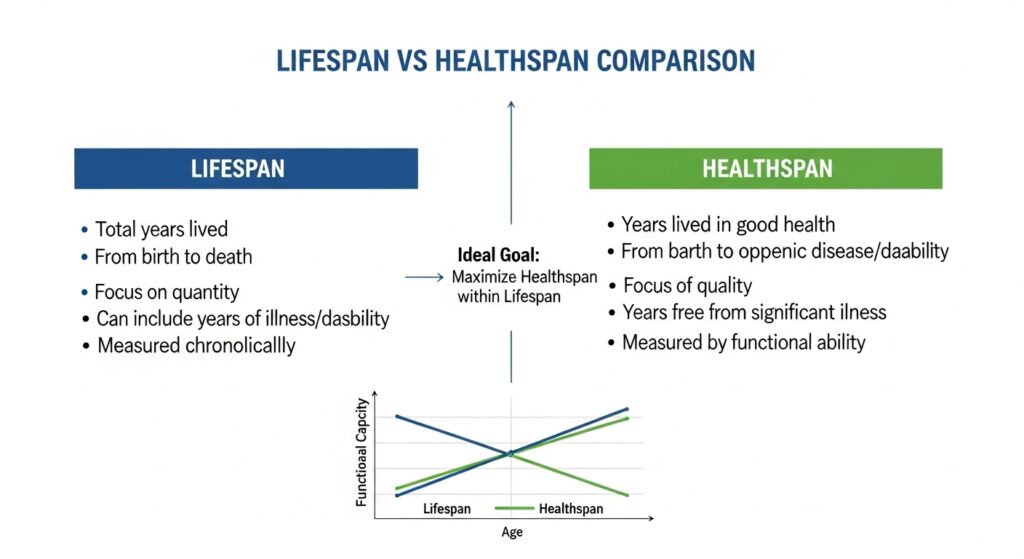
What is Longevity? (Lifespan vs. Healthspan)
To understand longevity, we must distinguish between two critical concepts:
- Lifespan: The total number of years you are alive.
- Healthspan: The number of years you spend in good health, free from chronic disease and disability.
Modern medicine has been excellent at increasing lifespan. Global life expectancy has more than doubled since 1900. However, healthspan has not kept pace. Many people spend their final decades battling heart disease, diabetes, or neurodegenerative conditions.
True longevity is about squaring the curve extending your healthspan so that it matches your lifespan as closely as possible.
A Brief History of the Quest for Immortality
The desire to live forever is as old as history itself.
- Ancient Mythology: The Epic of Gilgamesh (c. 2100 BC) details a king’s failed search for a plant that grants eternal youth.
- The Alchemists: In the Middle Ages, alchemists sought the “Philosopher’s Stone,” a legendary substance believed to cure illnesses and prolong life.
- The 20th Century Boom: With the discovery of antibiotics, vaccines, and improved sanitation, life expectancy skyrocketed. We stopped dying from infections and started aging enough to develop chronic diseases.
The Science of Aging: Why Do We Age?
Aging is no longer viewed simply as “wear and tear.” Scientists now view aging as a biological process that can be measured, slowed, and potentially reversed. Here are the key mechanisms:
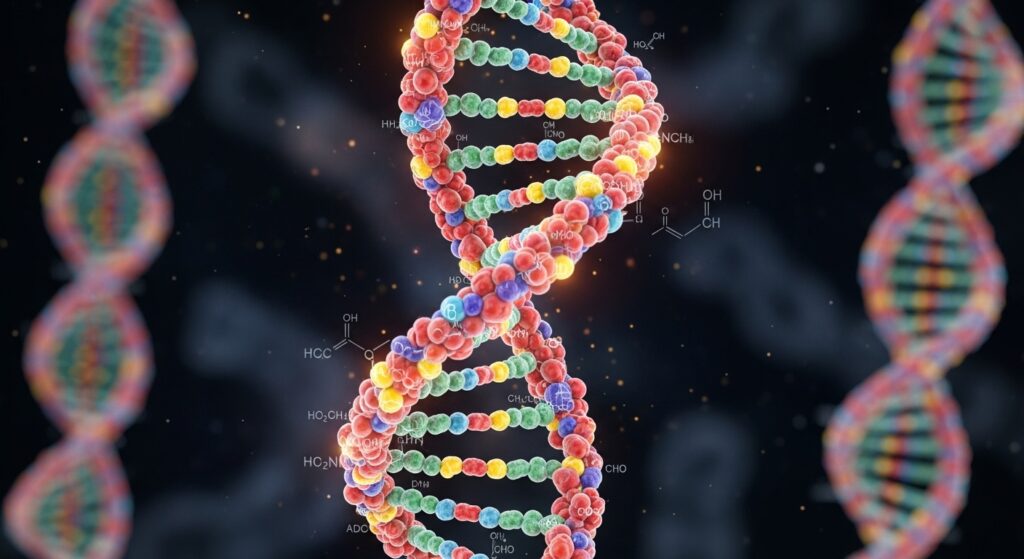
1. Genomic Instability and DNA Damage
Over time, our DNA gets damaged by UV rays, toxins, and normal metabolic processes. While our bodies have repair mechanisms, they become less efficient as we age, leading to mutations and cellular dysfunction.
2. Telomere Attrition
Think of telomeres as the plastic caps at the end of shoelaces. They protect your chromosomes. Every time a cell divides, these telomeres get shorter. When they get too short, the cell can no longer divide and becomes senescent (or dies).
3. Cellular Senescence (Zombie Cells)
Senescent cells are cells that have stopped dividing but refuse to die. They linger in the body, releasing inflammatory chemicals that damage nearby healthy cells. This is a major driver of age-related inflammation, often called “inflammaging.”
4. Epigenetics
Your genetics are the hardware; epigenetics is the software. Lifestyle factors (diet, stress, sleep) can turn “good” genes on and “bad” genes off. This means you have more control over your aging process than you think.
Lessons from the Blue Zones
You cannot talk about longevity without mentioning the Blue Zones five regions in the world identified by researcher Dan Buettner where people live statistically longest:
- Okinawa, Japan
- Sardinia, Italy
- Nicoya, Costa Rica
- Ikaria, Greece
- Loma Linda, California
What do they have in common?
- Plant-Slanted Diets: High consumption of beans, vegetables, and whole grains.
- Natural Movement: They don’t run marathons; they garden, walk, and do manual work.
- Purpose (Ikigai): They have a reason to wake up in the morning.
- Community: Strong social ties are a non-negotiable predictor of longevity.
5 Science-Backed Ways to Increase Your Longevity
You don’t need to move to a Mediterranean island to live longer. Here are actionable steps based on current science:
1. Caloric Restriction and Fasting
Studies show that temporary nutrient deprivation triggers autophagy the body’s cellular recycling process. It cleans out damaged cells and regenerates new ones.
- Tip: Try Intermittent Fasting (16:8 method) or simply stop eating until you are 100% full (the Okinawan rule of Hara Hachi Bu).
2. Zone 2 Cardio and Strength Training
Exercise is the most potent anti-aging drug available.
- Zone 2 Cardio: Maintains mitochondrial health.
- Strength Training: Prevents sarcopenia (muscle loss) and protects bone density.
3. Prioritize Sleep
Sleep is when your brain flushes out toxins (via the glymphatic system). Chronic sleep deprivation is linked to Alzheimer’s and cardiovascular disease. Aim for 7-8 hours of quality rest.
4. Thermal Stress (Hot and Cold)
Exposure to extreme temperatures (saunas and ice baths) acts as “hormetic stress.” This mild stress strengthens the immune system and reduces inflammation.
5. Manage Stress
Chronic cortisol (stress hormone) wreaks havoc on your telomeres. Meditation, breathwork, and spending time in nature are not just “relaxing” they are biological necessities.
Curiosities: Fun Facts About Aging
- The Immortal Jellyfish: The Turritopsis dohrnii is a jellyfish that can revert to its juvenile polyp stage after reaching maturity, effectively making it biologically immortal.
- The Oldest Human: The verified record for the oldest human belongs to Jeanne Calment of France, who lived to be 122 years and 164 days. She reportedly ate chocolate and drank port wine regularly.
- Naked Mole Rats: These rodents live 30 years (huge for a rodent) and are resistant to cancer. Scientists study them fiercely to unlock their secrets.
Conclusion: It’s Not Just About Time
Longevity science is moving fast. With advancements in AI, gene editing, and personalized medicine, the next decade will bring revolutionary changes to how we age.
However, the core principles remain simple. Move your body, eat real food, sleep well, and nurture your relationships. The goal isn’t just to add years to your life, but to add life to your years.
Ready to start your longevity journey? Start with one small habit today. Your future self will thank you.
Frequently Asked Questions (FAQ)
Q: Is longevity genetic?
A: Genetics play a role, but studies suggest that only about 20-30% of your longevity is determined by genes. The rest is determined by lifestyle and environment (epigenetics).
Q: What is the best diet for longevity?
A: While there is debate, the Mediterranean Diet is the most scientifically supported, emphasizing olive oil, fish, nuts, vegetables, and limited processed foods.
Q: Can supplements help with anti-aging?
A: Some molecules like NMN, Resveratrol, and Spermidine show promise in animal studies, but human trials are ongoing. Lifestyle changes remain the most effective “supplement.”