Introduction
Losing fat after 30 is not just about calories in versus calories out. Hormonal shifts, declining metabolism, and muscle loss all make weight management more complicated than it was in your 20s or 30s. Many people over 30 feel frustrated when traditional dieting or high-intensity cardio doesn’t work the way it used to.
The good news is that with the right approach, fat loss after 30 can be sustainable, effective, and even enjoyable. The goal is not just weight loss it’s about preserving muscle, boosting metabolism, improving body composition, and supporting overall health.
In this guide, we’ll explore 10 fat loss techniques after 30 that boost metabolism and preserve muscle, based on scientific evidence and real-world strategies. By the end of this article, you’ll have actionable steps to transform your approach to fat loss, feel more energetic, and maintain strength as you age.
1. Prioritize Protein Intake to Preserve Muscle
Protein is the cornerstone of fat loss after 30. As we age, muscle mass naturally declines a process called sarcopenia. Less muscle slows metabolism, making fat loss more challenging. Eating enough high-quality protein can preserve lean muscle, support metabolic function, and improve satiety, helping prevent overeating.
Protein Guidelines
- Consume 0.7–1 gram of protein per pound of lean body weight daily
- Spread protein across 3–5 meals for consistent muscle support
- Include both animal and plant-based sources
High-Protein Food Examples
- Lean meats: chicken, turkey, beef
- Fish: salmon, tuna, cod
- Eggs and dairy: Greek yogurt, cottage cheese, eggs
- Plant-based options: lentils, quinoa, chickpeas, tofu
Meal Timing Tips
- Include protein in breakfast to kickstart metabolism
- Combine protein with fiber-rich vegetables for satiety
- Post-workout protein can aid recovery and muscle growth
Protein not only helps preserve muscle but also boosts the thermic effect of food, meaning your body burns more calories digesting protein than carbs or fat. For meal ideas and protein tips, check Harvard T.H. Chan School of Public Health – Protein and Health.
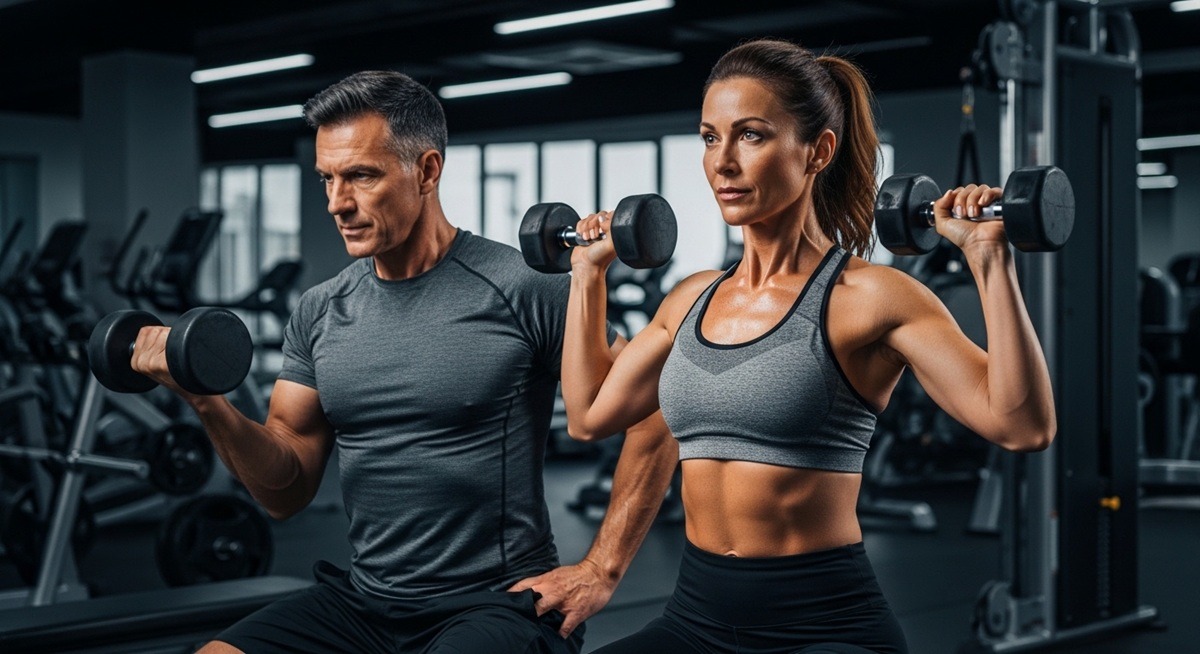
2. Strength Training After 30 for Fat Loss and Muscle Preservation
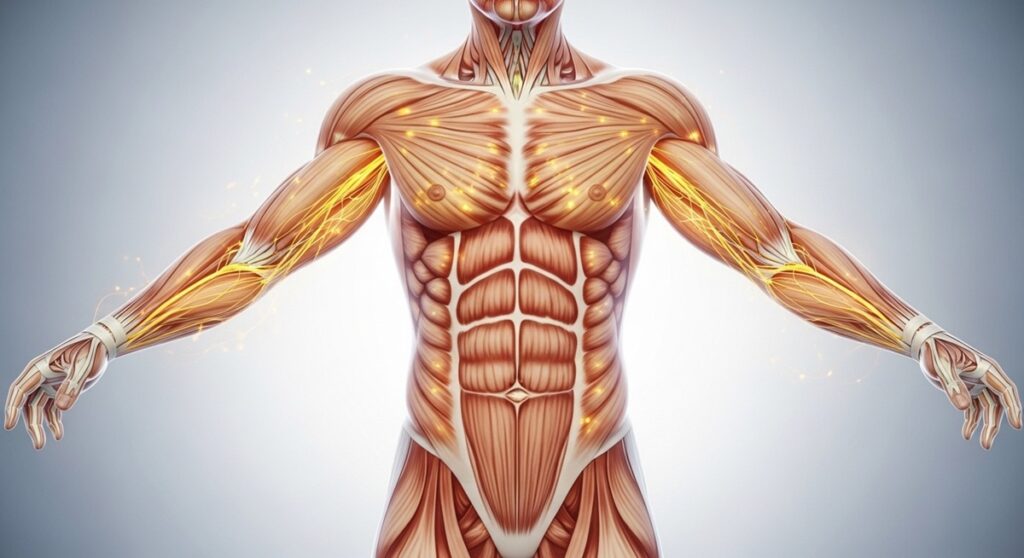
Strength training is arguably the most important fat loss technique after 30. Muscle is metabolically active tissue, and the more you have, the higher your resting metabolic rate. Resistance training also improves insulin sensitivity, supports bone health, and helps shape your body.
Strength Training Principles
- Train 3–4 times per week targeting major muscle groups
- Focus on compound exercises like squats, deadlifts, presses, and rows
- Use moderate weights and prioritize proper form
- Allow at least 48 hours of recovery between sessions
Additional Tips
- Include progressive overload gradually increase weights or reps over time
- Mix in bodyweight exercises like push-ups or pull-ups for convenience
- Consider a personal trainer or instructional videos to prevent injury
Strength training also helps counteract age-related muscle loss, which naturally begins around age 30 but accelerates after 30. Even minimal muscle preservation can significantly improve metabolism and enhance fat loss results.
3. Low-Impact Cardio for Safe and Sustainable Fat Burning
Cardio is an effective fat-loss tool, but after 30, low-impact cardio is safer for joints and reduces the risk of injury. It complements strength training by increasing calorie expenditure without compromising muscle.
Recommended Cardio Activities
- Brisk walking or Nordic walking
- Swimming or water aerobics
- Cycling or stationary bike workouts
- Elliptical machine or low-impact aerobics
Cardio Strategy
- Aim for 20–40 minutes per session, 3–5 times per week
- Combine steady-state cardio with occasional interval training for metabolism support
Low-impact cardio is especially beneficial for people with joint issues, arthritis, or previous injuries. It improves cardiovascular health, supports fat burning, and maintains energy levels.
4. Manage Hormones Through Sleep and Stress Reduction
Hormonal balance is a key factor in fat loss after 30. Cortisol, the stress hormone, promotes fat storage, particularly in the abdomen. Meanwhile, inadequate sleep disrupts appetite-regulating hormones like ghrelin and leptin, making it harder to maintain a calorie deficit.
Strategies for Hormone Support
- Prioritize 7–9 hours of quality sleep per night
- Maintain a consistent sleep schedule, even on weekends
- Practice stress management: meditation, deep breathing, yoga
- Reduce caffeine and alcohol in the evening
These strategies can help regulate hormones, reduce belly fat, and support metabolism. Research shows that chronic stress and sleep deprivation significantly hinder fat loss efforts, especially after 30.
Read our article that helps you understand about: How to Reduce Stress Naturally and Consciously
5. Focus on Whole Foods and Balanced Nutrition
Nutrition quality is critical for sustainable fat loss after 30. Diets rich in whole foods support metabolism, preserve muscle, and reduce inflammation, all of which are essential for fat loss.
Key Nutritional Guidelines
- Prioritize vegetables, fruits, legumes, and whole grains
- Include healthy fats: olive oil, nuts, seeds, avocado
- Minimize processed foods, added sugars, and refined carbs
- Eat consistent, protein-rich meals throughout the day
Meal Planning Tips
- Breakfast: protein smoothie with Greek yogurt, spinach, berries
- Lunch: grilled chicken with quinoa and vegetables
- Dinner: baked salmon with roasted sweet potatoes and asparagus
For additional guidance on a nutrient-rich diet for people over 30, see Mayo Clinic – Healthy Diet After 30. https://www.mayoclinic.org/healthy-lifestyle/nutrition-and-healthy-eating/in-depth/healthy-diet/art-20048094
6. Small Lifestyle Habits That Support Fat Loss
Daily lifestyle habits can significantly boost metabolism and fat loss after 30. Simple strategies like frequent movement, hydration, and light activity throughout the day help keep your metabolism elevated.
Recommended Habits
- Drink at least 2–3 liters of water daily
- Take short walking breaks every hour
- Stand instead of sitting when possible
- Add short bursts of high-intensity activity like stairs or jumping jacks
These small adjustments, when combined with nutrition and strength training, enhance calorie burn and support long-term fat loss.
Read our article that helps you understand about: Sleep quality: 10 Strategies to improve wellness
7. Track Body Composition, Not Just Weight
The scale doesn’t always reflect progress. Muscle gain, water retention, and hormonal changes can mask fat loss. Tracking body composition gives a better measure of success.
Tracking Techniques
- Take waist, hip, and chest measurements monthly
- Take progress photos to visually track changes
- Track strength improvements and energy levels
- Assess clothing fit over time
Focusing on body composition ensures you are losing fat while preserving or even building muscle, which is essential for boosting metabolism after 30.
8. Incorporate Functional Training
Functional exercises enhance mobility, stability, and strength, which become increasingly important after 30. These exercises mimic real-life movements, improving daily performance and reducing injury risk.
Functional Exercise Examples
- Squats, lunges, step-ups
- Push-ups, pull-ups, dips
- Medicine ball rotational twists
- Planks and rotational core exercises
Functional training supports fat loss while improving metabolic function and long-term health.
9. Intermittent Fasting for Metabolic Support
Intermittent fasting can help regulate insulin and support fat loss after 30, but it should be used cautiously.
Intermittent Fasting Tips
- Start with a 12–14 hour overnight fast
- Ensure nutrient-dense meals during eating windows
- Avoid fasting if it disrupts sleep or causes stress
When implemented properly, intermittent fasting can complement other fat loss strategies and improve metabolic flexibility.
10. Consistency and Patience
Sustainable fat loss after 30 is a long-term game. Quick fixes and extreme diets often compromise muscle and metabolism, making it harder to maintain results.
Tips for Consistency
- Track habits rather than just scale weight
- Celebrate non-scale victories like improved strength and energy
- Set achievable weekly goals
- Maintain patience and avoid crash diets
Consistency and patience allow your body to adapt and maintain fat loss, while supporting metabolic health and muscle preservation.
For additional guidance, see National Institute on Aging – Healthy Weight. https://www.nia.nih.gov/health/healthy-weight
FAQs
1. Can I lose fat after 30 without losing muscle?
Yes, by combining strength training, a high-protein diet, and metabolism-supporting lifestyle habits, you can lose fat while preserving muscle.
2. How important is protein for fat loss after 30?
Protein is essential. It supports muscle preservation, boosts metabolism, and enhances satiety, all of which are critical for sustainable fat loss.
3. Is strength training more effective than cardio after 30?
Strength training is crucial for muscle preservation and metabolic support. Cardio complements strength training by increasing calorie expenditure and supporting heart health.
4. Can intermittent fasting help fat loss after 30?
Yes, if done responsibly. Intermittent fasting can improve insulin regulation, support fat loss, and enhance metabolic flexibility when combined with a balanced diet and exercise.